



Brancusi looks at us from (and through) movies, at MNAR – photo gallery
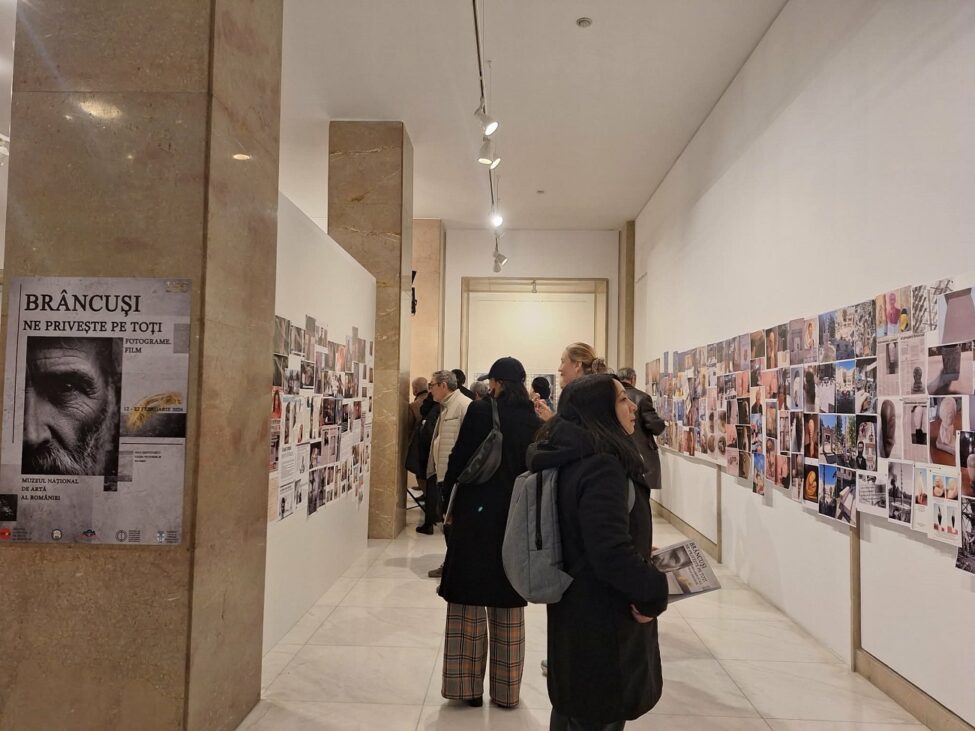
Conceived in the form of a visual narrative, outlining his artistic and human evolution through archival documents, photographs, photograms, film fragments and the artist’s maxims, presented in Romanian, French and English, the exhibition “Brâncuși concerns us all” is open at the National Art Museum of Romania, Kretzulescu Hall.
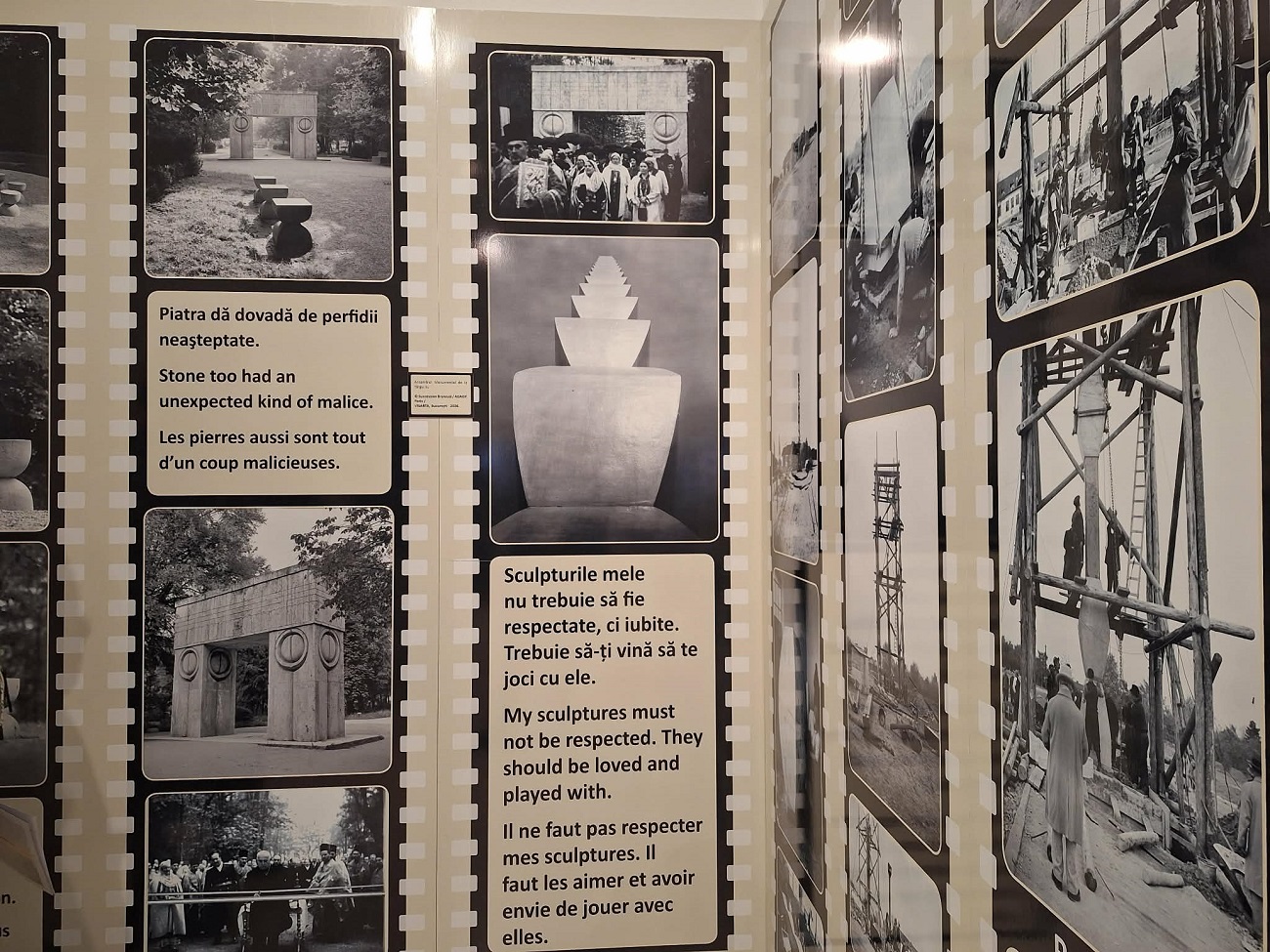
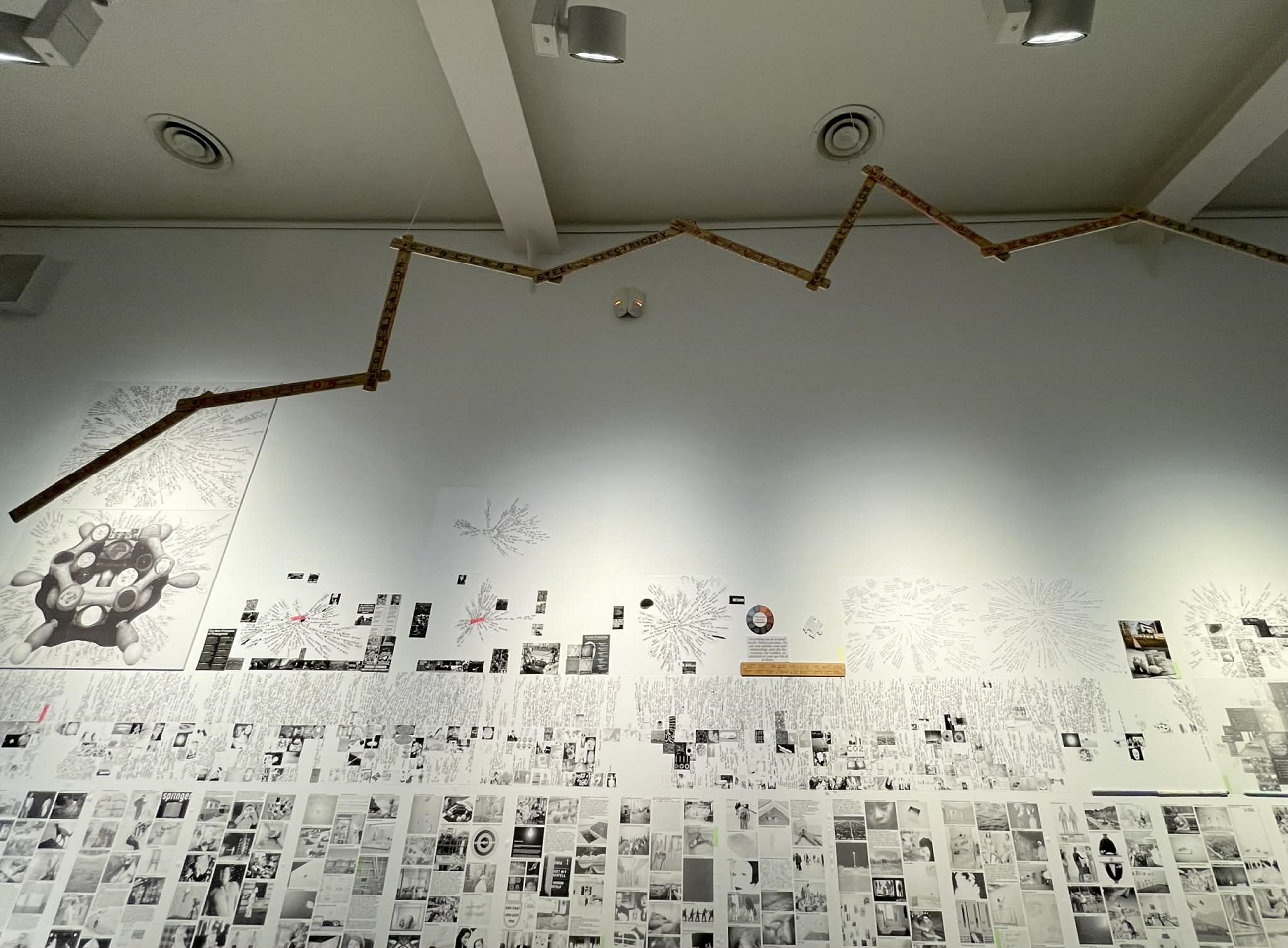
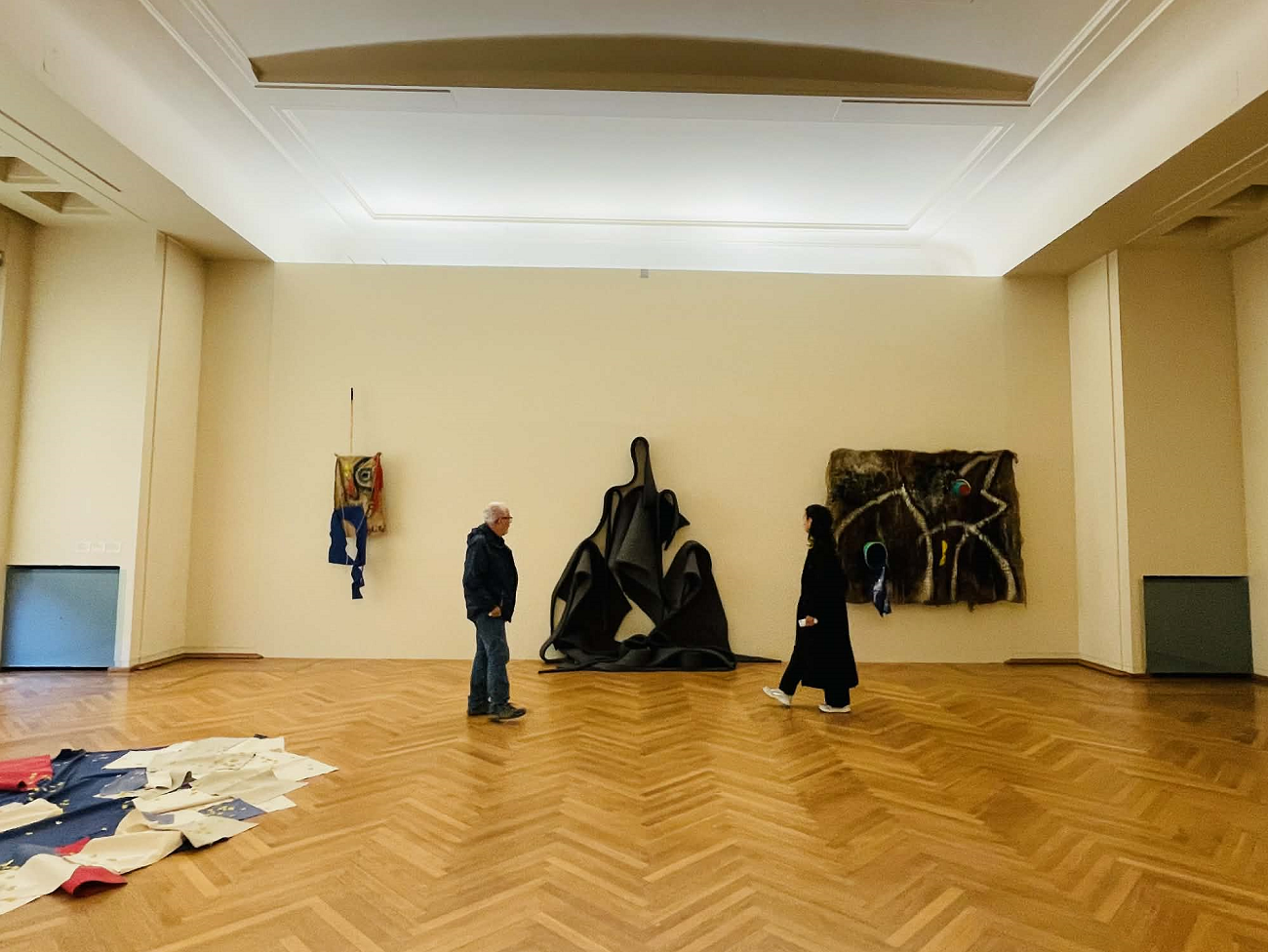
‘Brâncuși concerns us all’ exhibition, photo: curatorial
“It is an exhibition that not only informs, but also maps out Constantin Brâncuși’s journey, not only creatively, but also biographically. In this exhibition we have a part documentary and informative, and a part Brâncuși,” said Erwin Kessler, director of MNAR, at the opening.
“A true artist does things without meaning to,” said Brâncuși. He also said that his sculptures “should not be respected, but loved. You have to want to play with them”.
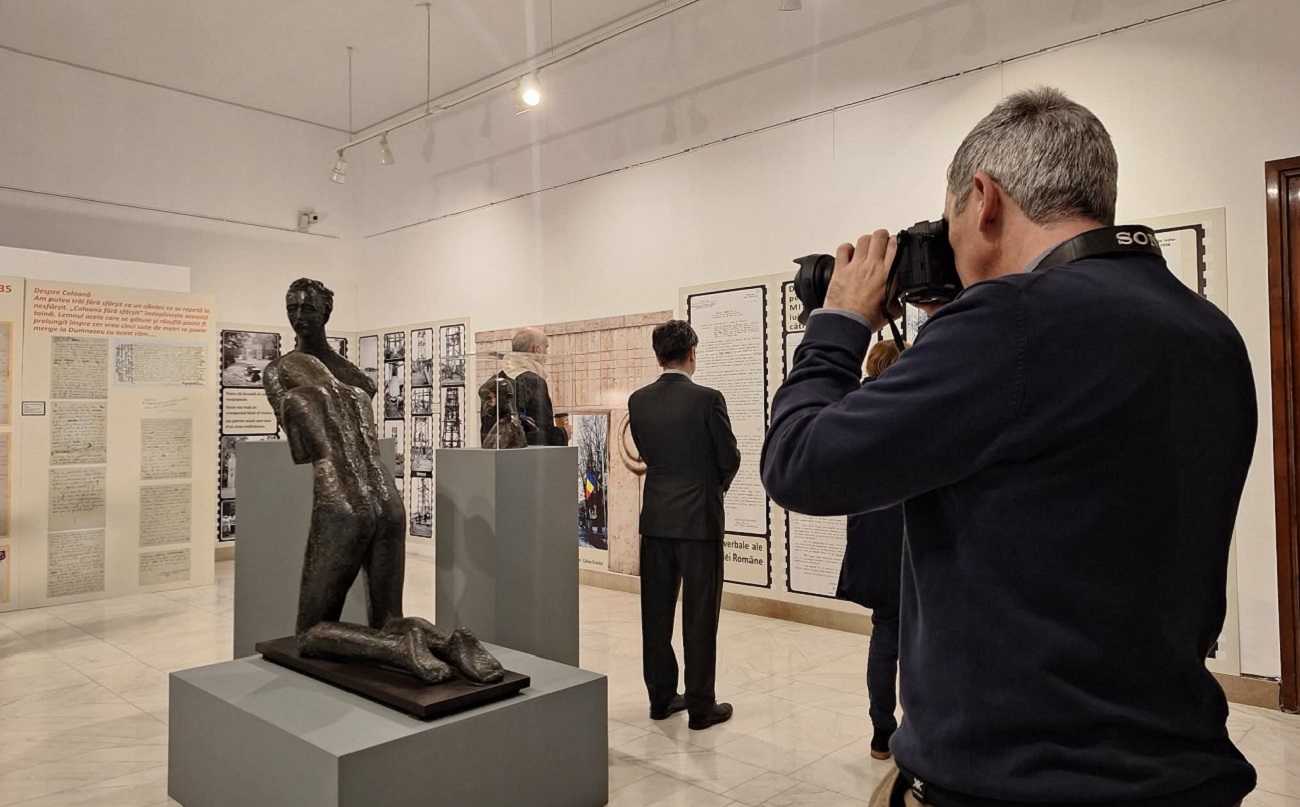
‘Brâncuși concerns us all’ exhibition, photo: curatorial
At the center of the exhibition are the sculptures “Child’s Head”, “Prayer” (copy), because the original is going to Rome, and “Petre Stănescu Portrait”. And around them, on film, stills, information and movies.
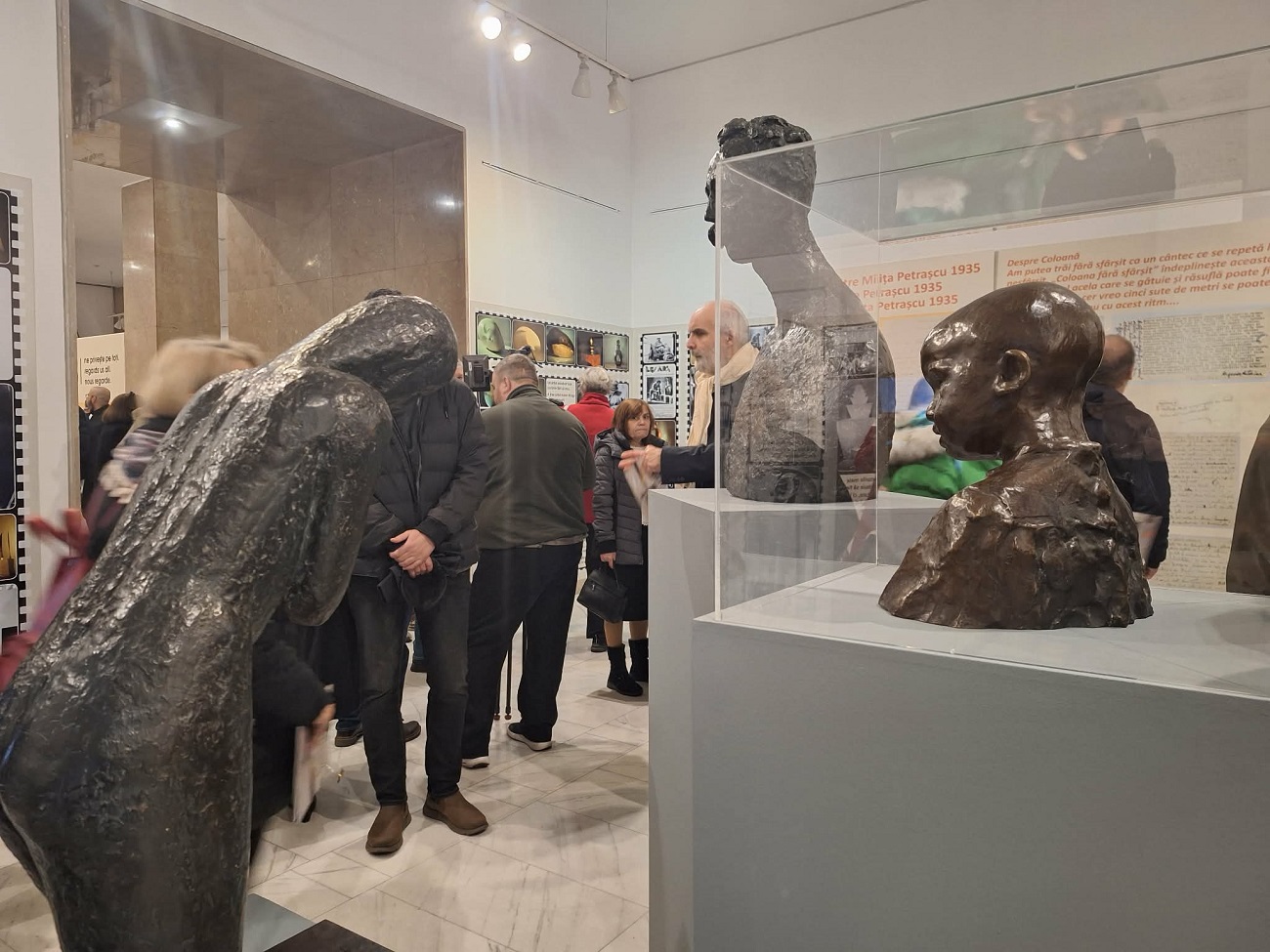
‘Brâncuși concerns us all’ exhibition, photo: curatorial
“I don’t want to mark Brancusi’s day. I don’t believe in National Brâncuși Day even 150 years after his birth. For me, for us, there, at the Center in Târgu Jiu, Brâncuși’s day is every day, because we administer there what we can only bring here through photography, the Monumental Ensemble by Constantin Brâncuși. He is there day and night and we have to take care of him. Unfortunately, we can’t take it to Paris, Rome, Berlin… What we have there, no one else has”, said director Cornel Mihalache at the opening.
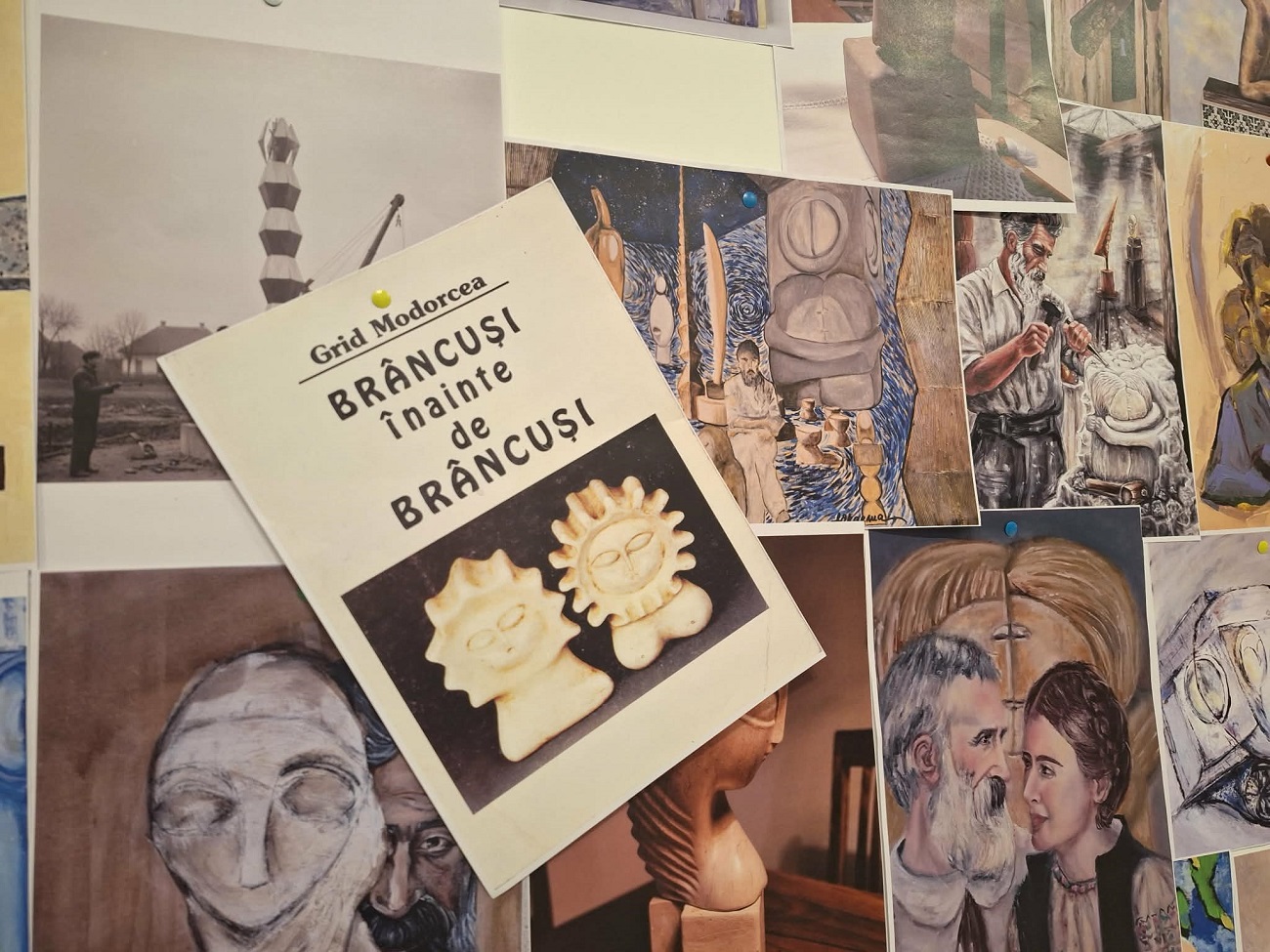
‘Brâncuși concerns us all’ exhibition, photo: curatorial
Life stories are featured: 1913, Armory Show New York, the first major exhibition that also marks the attestation of modern art; 1920, Princess X scandal; 1921, The Little Review, the magazine dedicated to him; 1922 – “En art il n’y a pas d’étrangers” – Closerie de lilas; 1926 – exhibition at the Brummer Gallery; 1927 – 1928, USA considered “Bird in Space” an industrial object, Brâncuși changed the definition of Modern Art in the Customs Dictionary; 1931 – beginning of the conception of the unfinished Temple of Indore; 1935 – letter to Milița Petrașcu accepting the commission for Târgu Jiu; 1937 – document signed by Haig Acterian after an evening’s discussion with Brâncuși; 1937 – the Târgu Jiu Sculpture Ensemble; 1945 – “Piatra de hotar”, which concludes the “Kiss” series, and his work; 1951 – the Romanian Academy’s reaction to his attempt to buy some of his works; 1952 – French citizenship; 1956 – first solo exhibition in Europe, in Bucharest, MNAR, at the age of 80; 1956 – will; 1957 – the end.
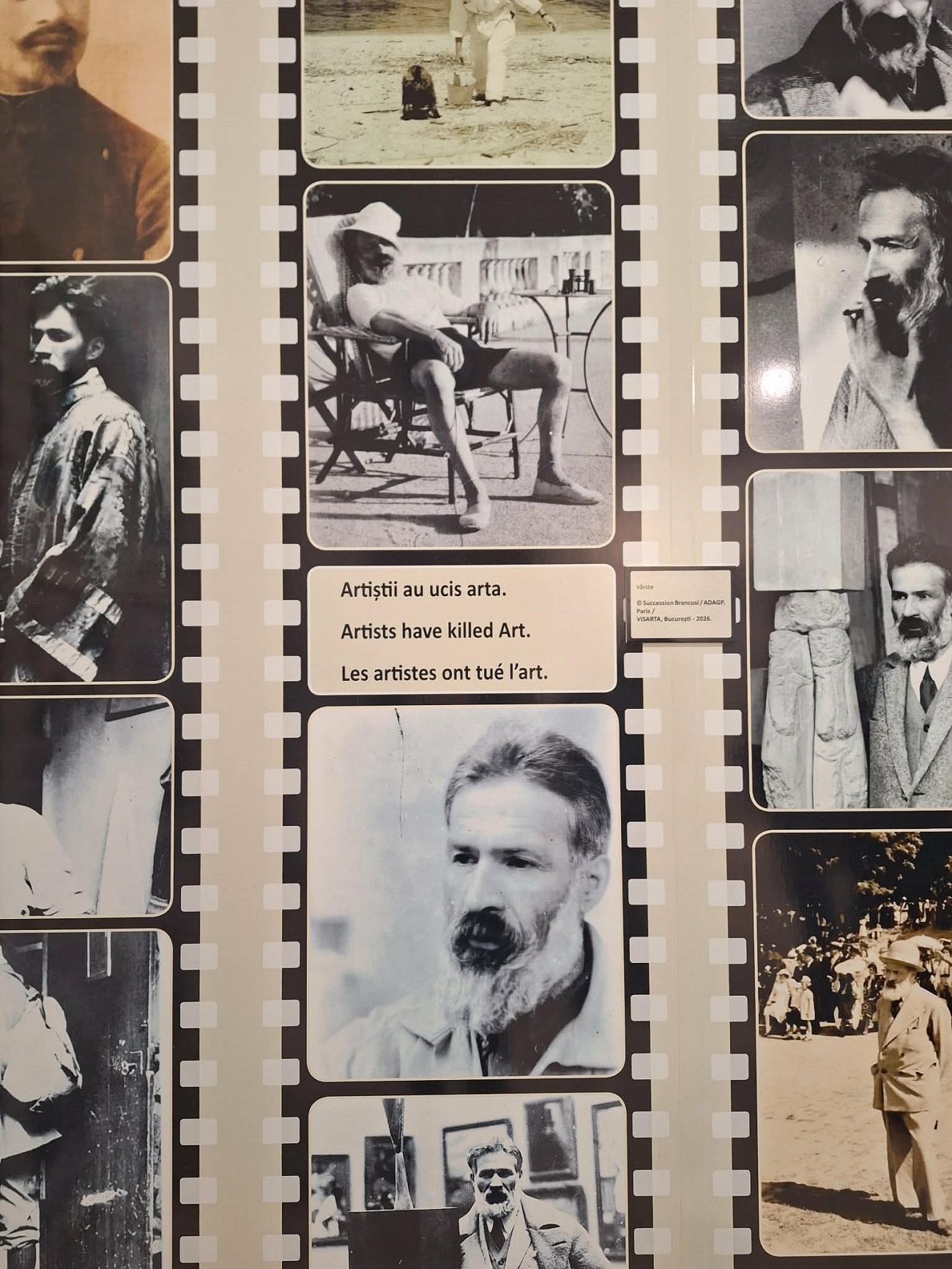
‘Brâncuși concerns us all’ exhibition, photo: curatorial
Also presented are the defining moments of his international consecration, including his participation in the Armory Show, New York (1913), the scandal generated by the work “Princess X” (1920), the trial in the United States of America (1926-1928) on the work “Bird in Space”, which led to the redefinition of the status of modern art in American customs legislation, as well as the realization of the Sculpture Ensemble in Târgu Jiu.
The exhibition includes, in the form of visual sequences, the artist’s main sculptural series: the “Kiss”, “The Ovoid”, “The Birds”, “The Columns”, “The Pogany Ladies”, “Princesses X”, “The Roosters” and “Animalia”, along with representative photographs of different stages in Brancusi’s life and documents related to unfinished projects.
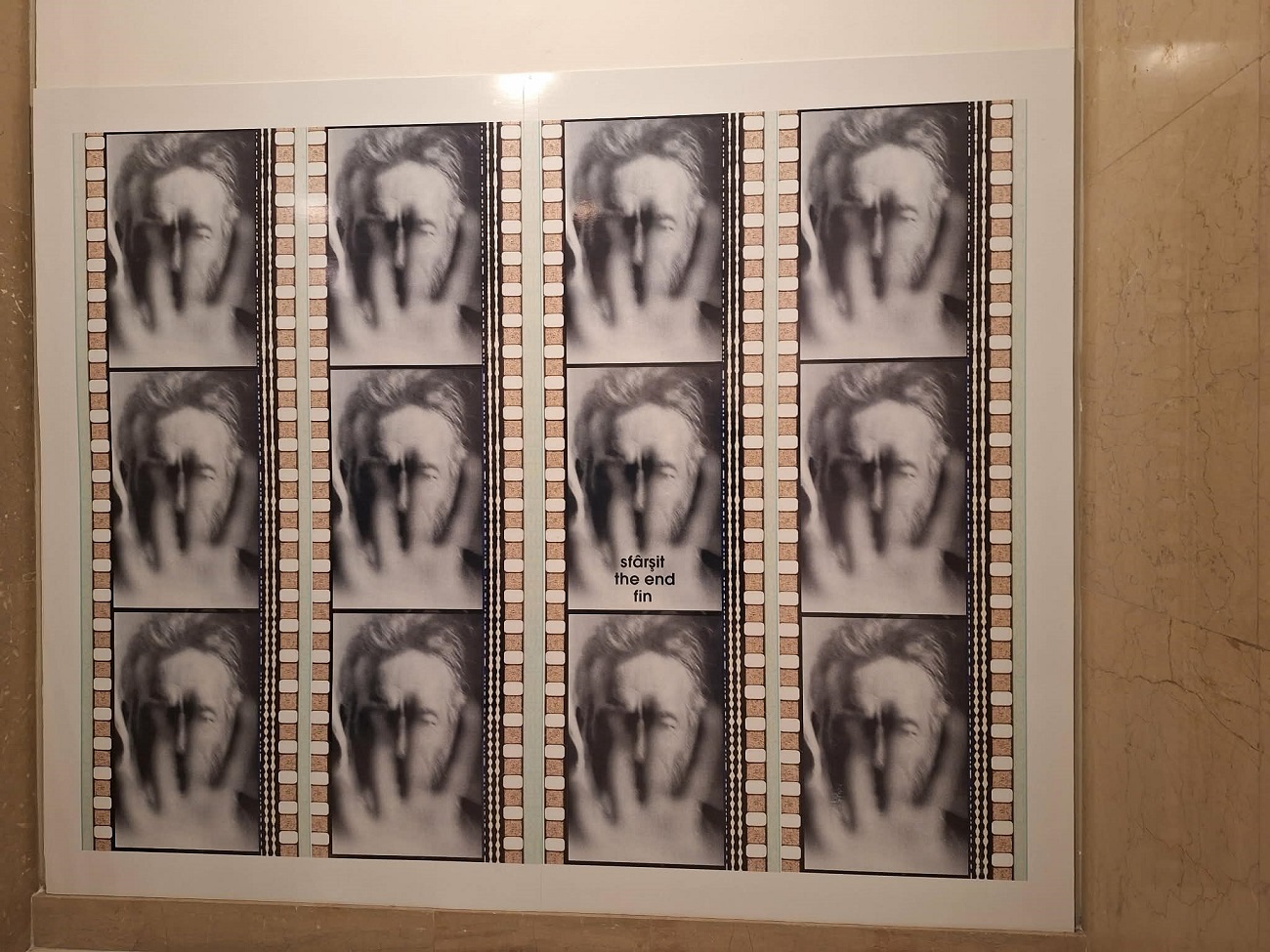
‘Brâncuși concerns us all’ exhibition, photo: curatorial
The exhibition project is coordinated by Cornel Mihalache, manager of the Center for Research, Documentation and Promotion “Constantin Brâncuși” in Targu Jiu, director of the documentary “Brâncuși – Imaginary Letter”. In this context, the films “Brâncuși Filmat” (Centre Pompidou), “Brâncuși – Scrisoare imaginară” (Cornel Mihalache), as well as a montage of images and archive material are presented.
The exhibition “Brâncuși concerns us all”, hosted at the MNAR until February 22, ends with the Posterity sequence, which focuses on what has happened to Brâncuși’s image over the last 36 years.
Photo credit: curatorial