



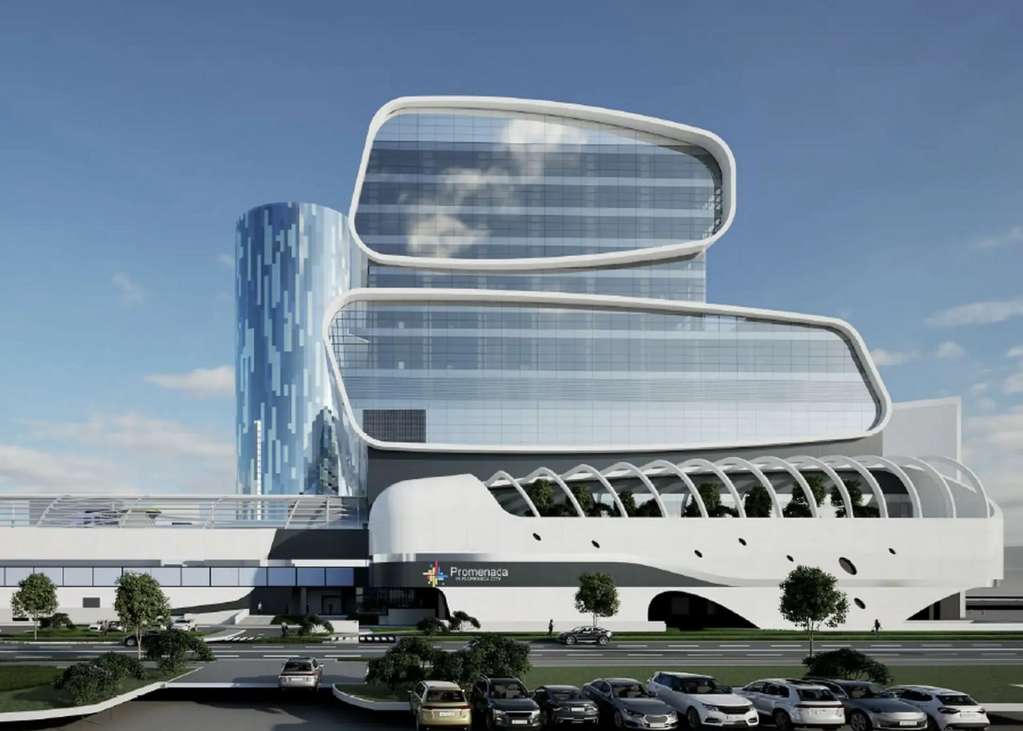
The Museum of Science and Digital Innovation (MODI) will open in Bucharest in April 2027, with a concept inspired by major European science museums. An extension of Promenada Mall, the museum will cover an area of 1,700 square meters and feature
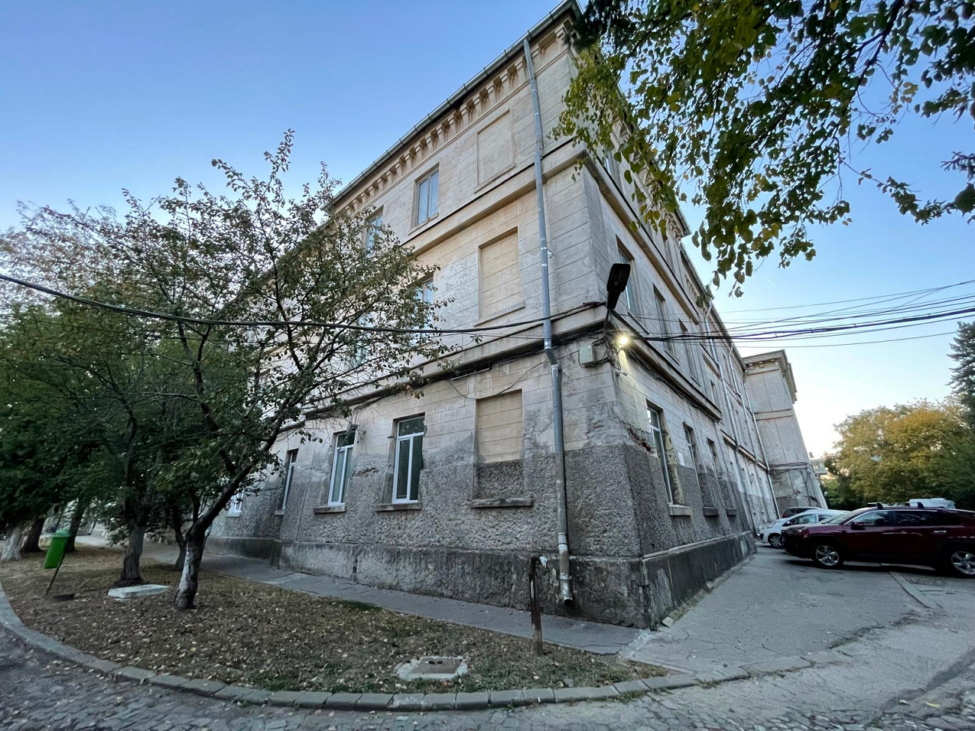
Malmaison, a French-inspired building named in honor of Napoleon III, which served for decades as barracks for cavalry troops, then as a detention center during the communist regime, is now a historic monument and the place where a community of
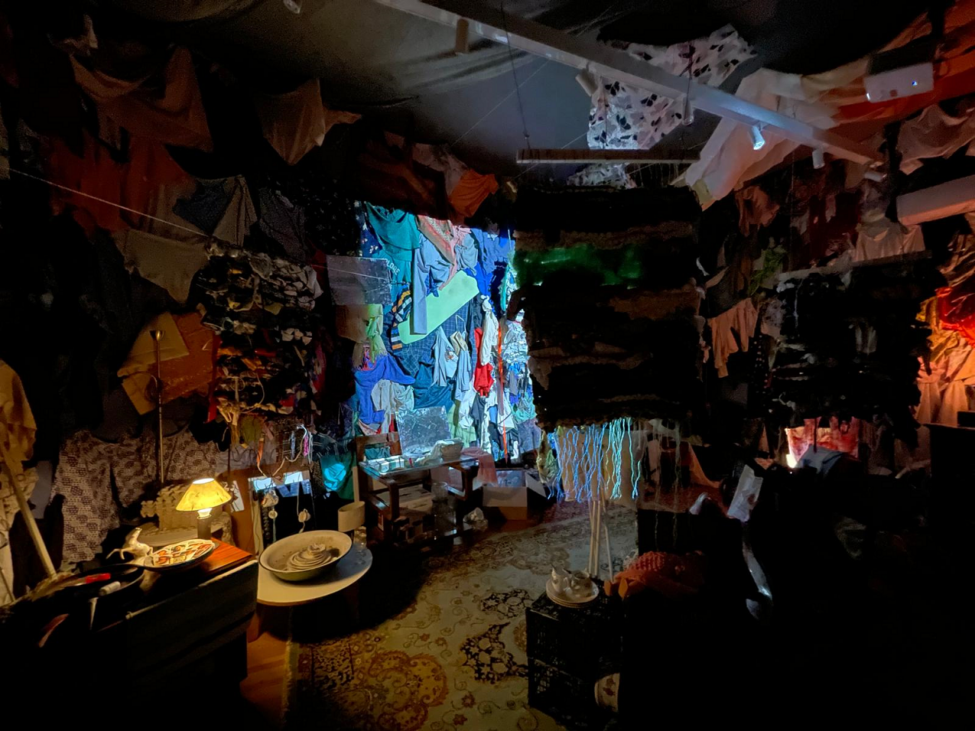
/SAC Berthelot has been transformed into a labyrinth filled with things we may need someday. Nothing has been lost; everything has been preserved and arranged in a blend of artistic research, anthropological inquiry, and theoretical exploration of the tendency to
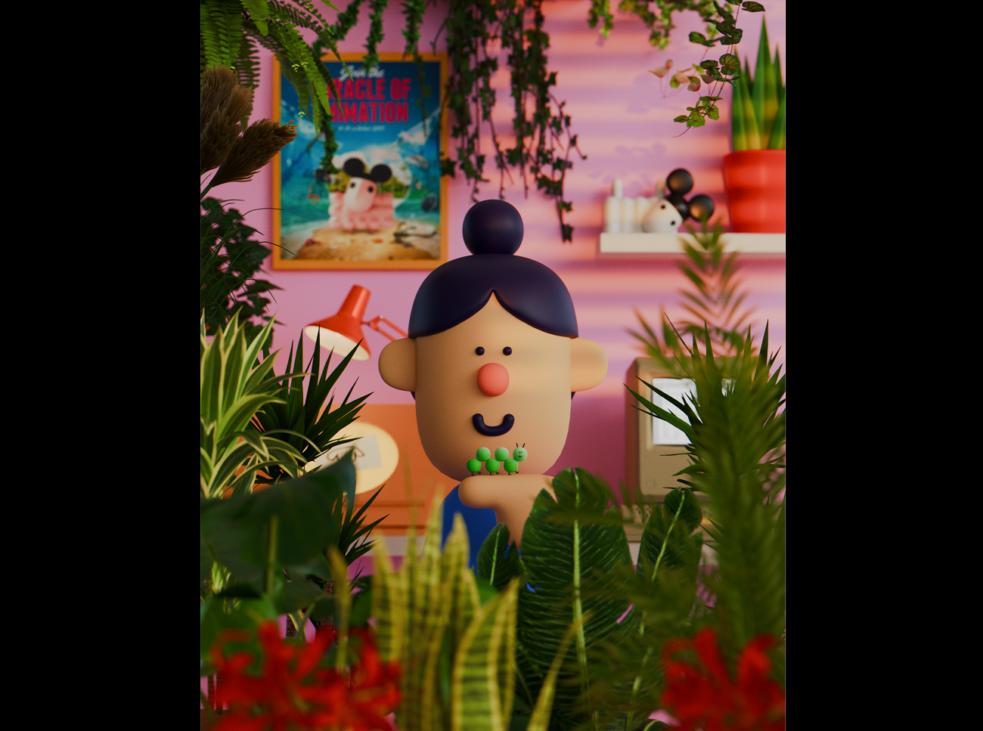
Luiz Stockler, a Brazilian-Welsh illustrator, animation director, and author, speaks in an interview with Curatorial about how he maintains his visual “voice” in commercial projects, about his debut in children’s literature, with “Tiny Man,” his recent interest in 3D printing
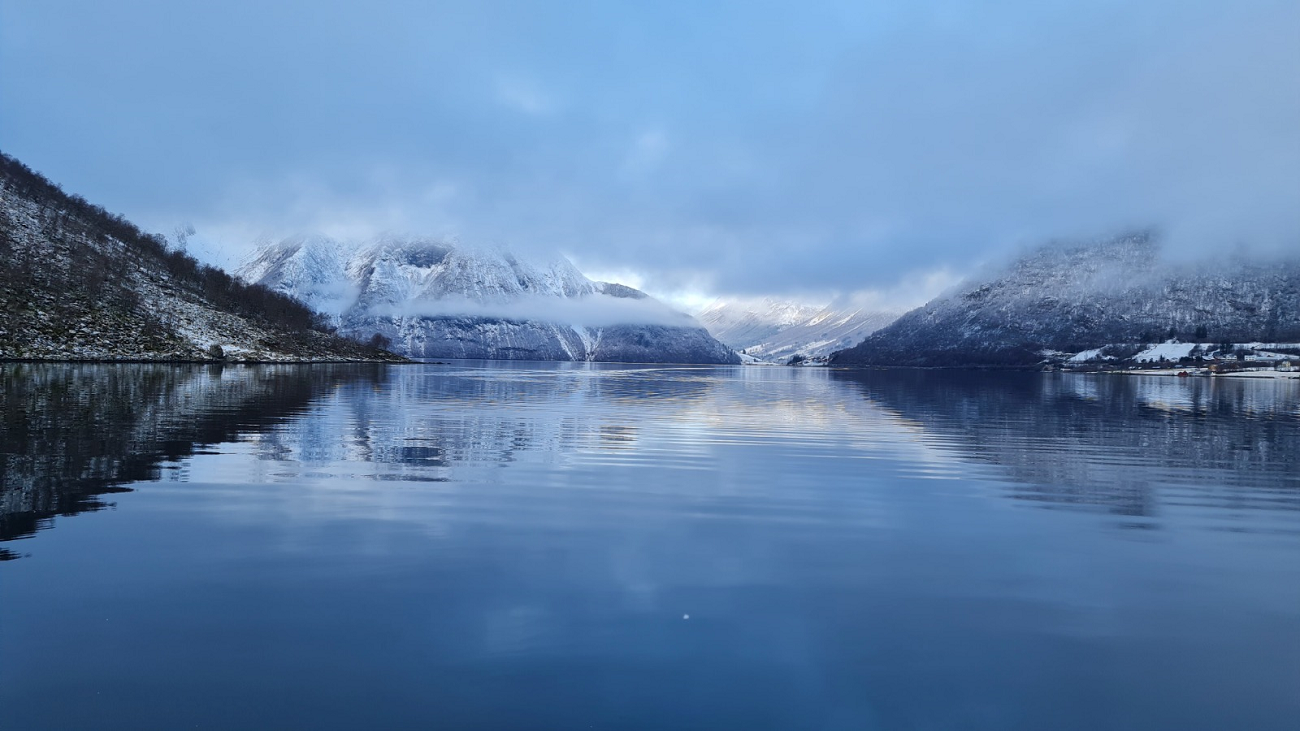
Cristian Mungiu is presenting at the new Art Safari photographs that he took while researching his feature film “Fjord,” which earned him his second Palme d’’Or of his career this year at Cannes and is a favorite to receive several
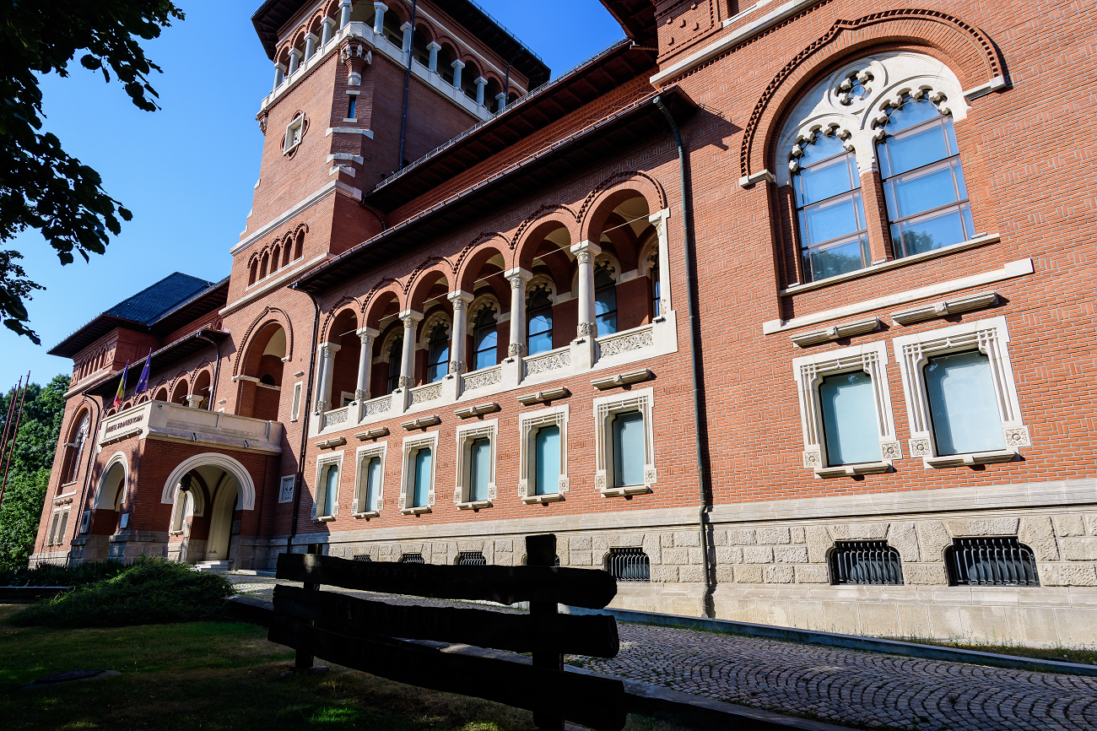
The National Museum of the Romanian Peasant will once again be open to visitors in its entirety starting June 28, following ten years of work to reinforce the permanent exhibition floor. Following the reopening of the ground floor in April 2025

The official selection for the 79th Cannes Film Festival, scheduled to take place from May 12 to 23, has been announced by Iris Knobloch, president of the event, and artistic director Thierry Frémaux. Fjord, written, directed and produced by Cristian Mungiu,

This year's Berlin Film Festival, which took place from February 12 to 22, has announced its winners, including Romanian productions or with Romanian participation. At the 76th edition, 270 films were screened and the international jury led by Wim Wenders chose
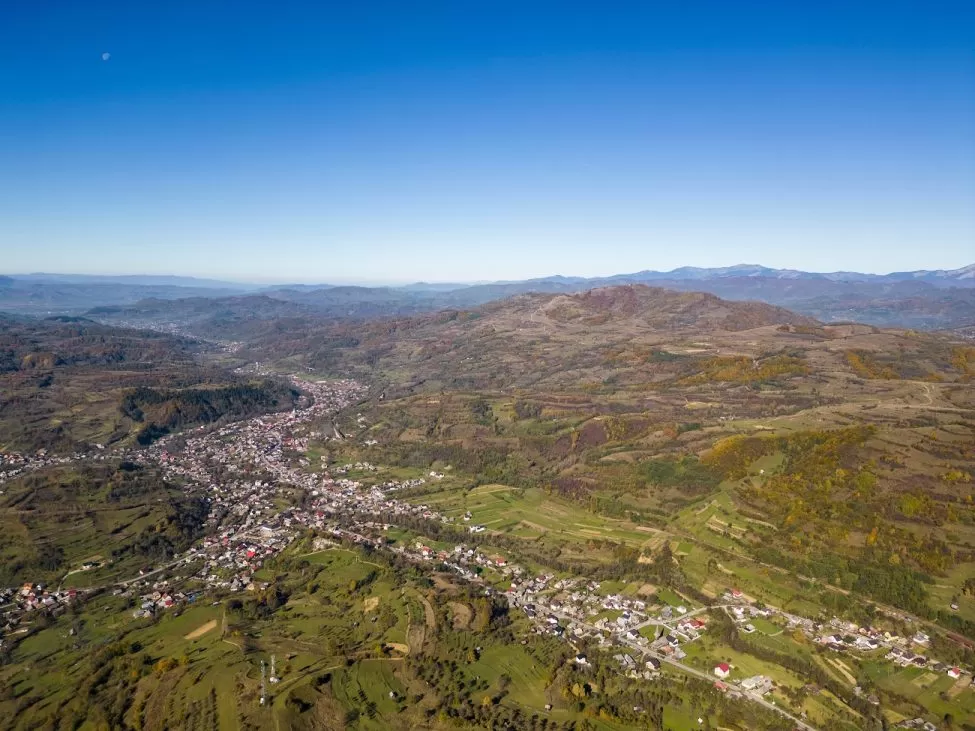
It is important not to forget the rural reality, not to despise it and to present it as honestly as possible, is the conviction of Julie Crenn, French curator and artist, who talks in an interview for curatorial about her
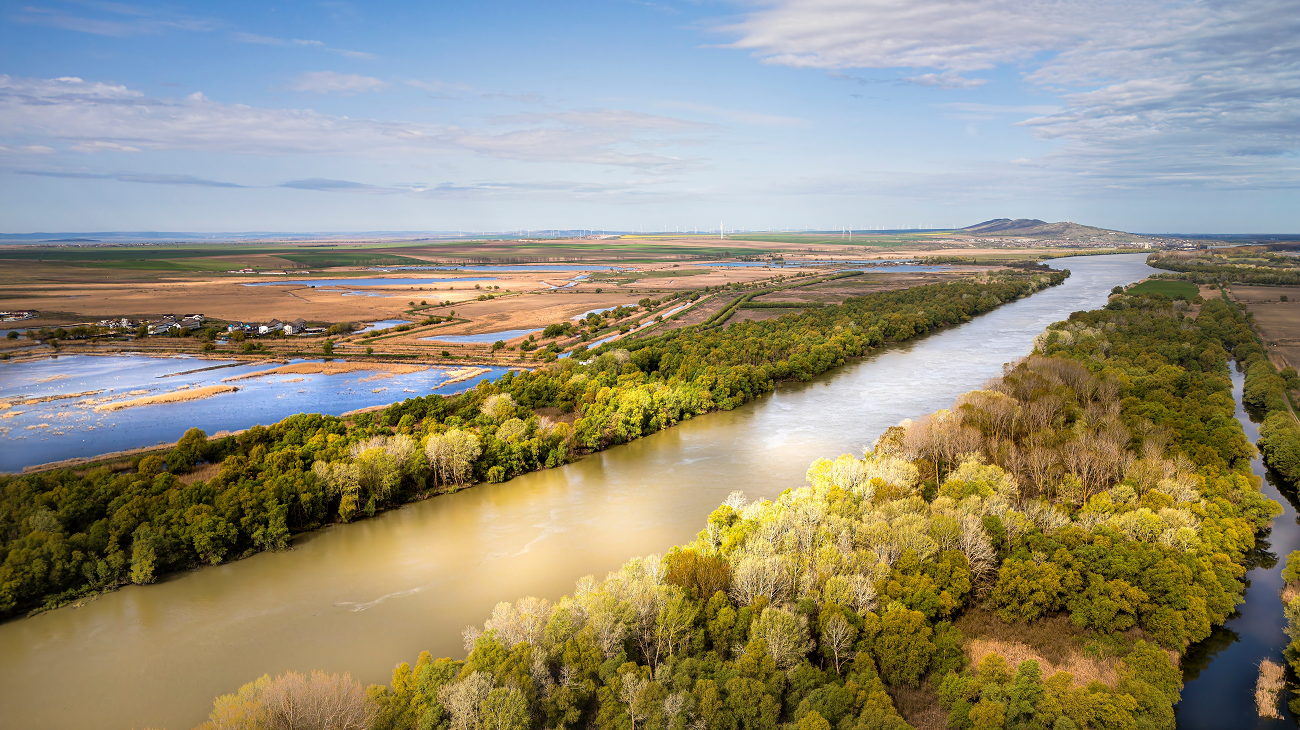
"The Danube, the river that shaped a world. Roman Territories between the Iron Gates and the Black Sea" can be visited at the National Museum of Romanian History starting February 17. The exhibition is organized by MNIR in partnership with