



16 January 2026 /
El Greco, Brancusi and masterpieces from Romanian museums in MNAR’s 2026 exhibition season
El Greco, Constantin Brancusi and masterpieces from Romanian museums, drawings by political prisoners and old maps are among the subjects of the exhibitions organized in 2026 by the National Art Museum of Romania (MNAR).
Works will be on loan from museums in Spain, Italy, Austria, Greece, Hungary, Germany, Italy, Greece, Hungary and Germany, as well as from private collections.
The institution has announced, without giving too many details, the events that will be hosted at its headquarters in Bucharest, as well as those that it co-organizes as part of the Romania-Italy Cultural Year.
Open exhibitions at MNAR
- “The Museum of Museums: 100 masterpieces from Romanian museums at MNAR” (in collaboration with museums in the country): presents exceptional pieces, chosen from the permanent collections and museum collections in the country, gathered under the dome of the Royal Palace as a visiting card and a map of masterpieces that the public can meet throughout the country.
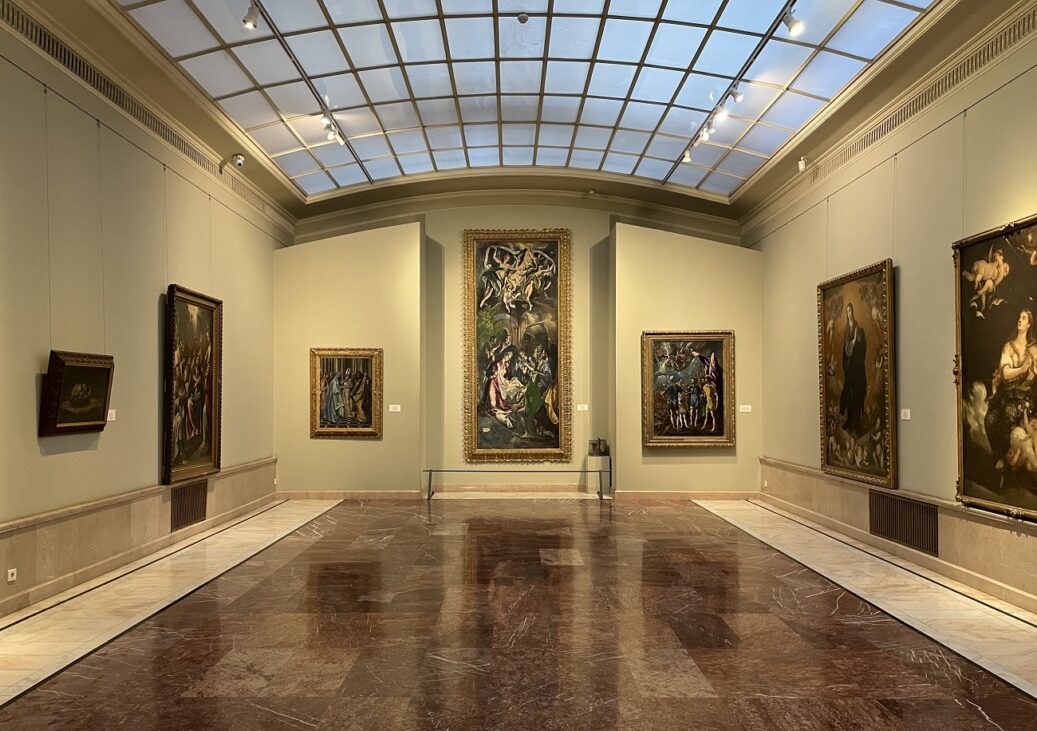
- “El Greco: from Byzantine Icons to International Expressionism” (in collaboration with museums from Spain, Italy, Austria, Greece, Hungary, Germany, Italy, Greece and Austria): an exhibition of international scope in which the major works by El Greco from the MNAR’s heritage will form the core of a historical fresco starting from the 19th century. XV to the cent. The exhibition will unravel the genesis, development and modernization of El Greco’s idiosyncratic artistic vision.
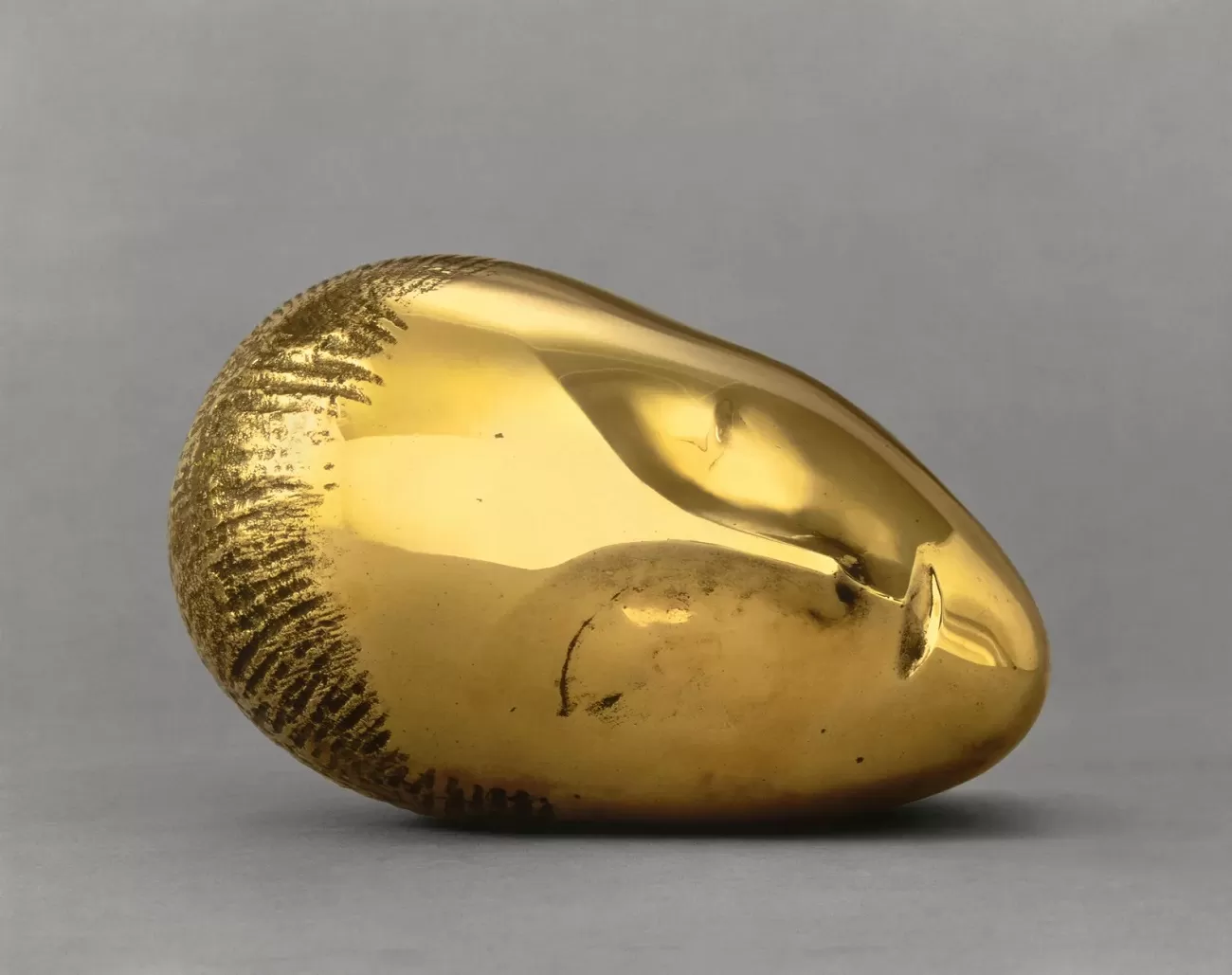
- “Brancusi. The Syndrome” (in collaboration with Romanian museums, collectors and contemporary artists) traces the shaping influence of Brancusi’s personality and work on modern and contemporary Romanian art, the way it has shaped the minds of creators and the experiences of the public.
- “Reeducation through art in the communist prisons”, at the MNAR, in collaboration with CNSAS (National Council for the Study of Security Archives) – the absolute premiere of a series of volumes bringing together drawings by political prisoners who were thus showing their repudiation of their previous political affiliation, and embraced communist ideals under the pressure of the repressive security system.
- “The Emilian Radu Collection of Old Map and New Art”, at the Museum of Art Collections: the exhibition is dedicated to a complex and diverse collection of literary and visual art and culture, spanning several centuries, from the first Romanian-language prints to the contemporary art of the 2000s.
- “Selected Pieces from the Sorin Costina Collection”, at the Museum of Art Collections, part of MNAR: the S. Costina collection is the most representative collection of post-war Romanian art realized between 1970 and 1990 by the doctor Sorin Costina from Brad, his collection becoming a testimony of the politically unasserved culture.
Exhibitions in Romania-Italy Cultural Year program
- “Brancusi: Origins of Infinity”, at Museo dei Fori Imperiali – Mercati di Traiano, Rome, is an exhibition that brings together pieces from MNAR, Craiova Art Museum and the Brancusi Cultural Centre in Targu-Jiu for a first contextualization of Brâncuși’s vision from the perspective of his education and experience in ancient classical art, but also in relation to his roots in the folk crafts of Oltenia region. The exhibition will be accompanied by two catalogues, one of which will be dedicated to the first publication of the Sketchbook, dated 1901-1902, intensively used by Brancusi during the last years of his studies in Bucharest.
- “Romanian Avant-garde: Works and Networks, 1910-1960”, at Fondazione Sicilia, Palermo, in collaboration with museums and collectors in the country, is a selection of the most representative productions of the historical avant-garde in Romania, plus a large section of Romanian avant-garde publications, presenting its connections and international relevance.
- “La Blouse Roumaine in Art, 1800-2000”, at the Museo delle Civilta, Rome (in collaboration with museums in the country and abroad), is a concentrated version of the exhibition “RomânIA. The Identity Representation of Popular Costume in Art”.
Photo: Spanish art in MNAR’s European Art Gallery; curatorial