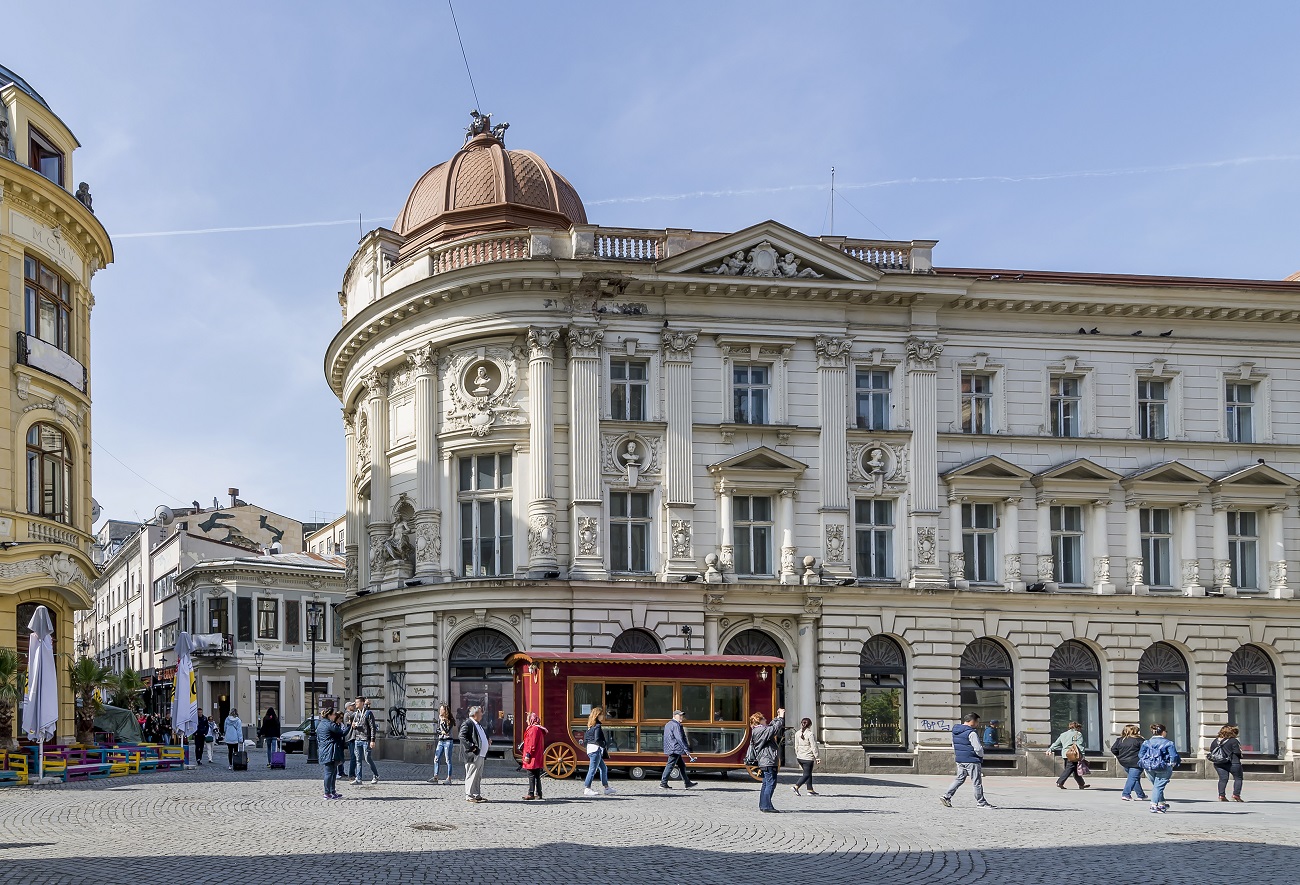




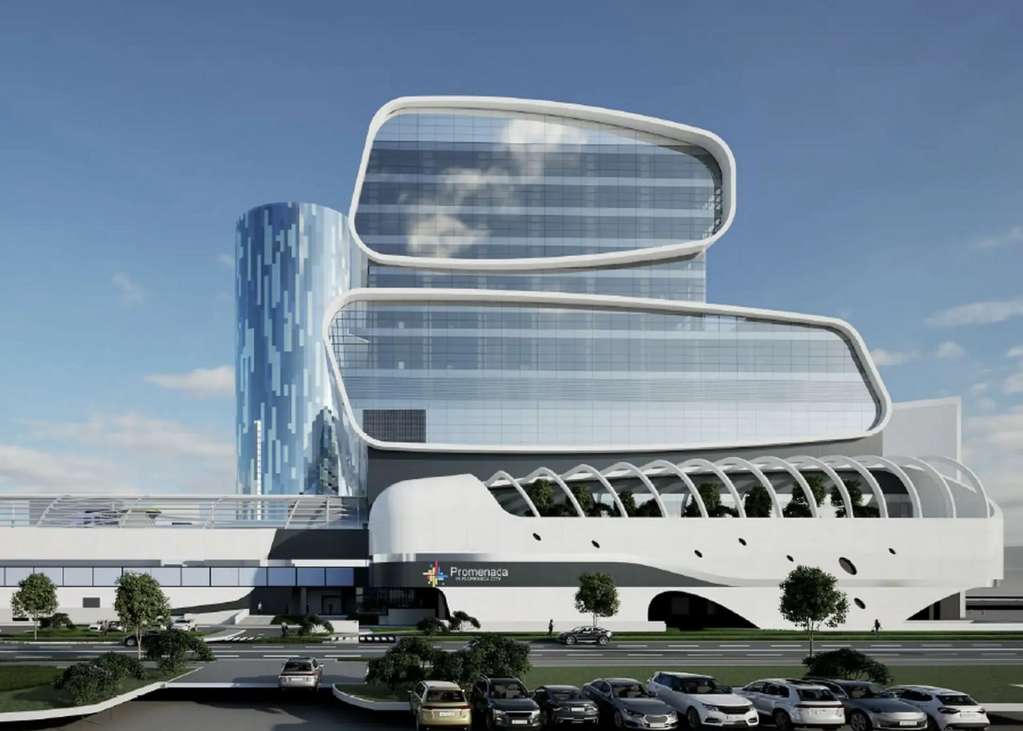
Museum of Science and Digital Innovation, opened in Bucharest in 2027
The Museum of Science and Digital Innovation (MODI) will open in Bucharest in April 2027, with a concept inspired by major European science museums.
An extension of Promenada Mall, the museum will cover an area of 1,700 square meters and feature seven distinct zones – Fundamental Laws of Science, Energy-Environment and Climate Emergency, Robotics, Artificial Intelligence, Art Through Science, Temporary Exhibitions, Workshops, and Events.
MODI, which will feature around 60 interactive exhibits for all ages, combines the discovery of science through experimentation and play with a personalized visitor experience powered by artificial intelligence, and will be certified under the Museums Act by the Ministry of Culture.
The costs of development, launch, and operation for the first year amount to approximately 2 million euros, funded exclusively through private financing, bank loans, and sponsors/partners, with no public funds.
Learning Through Participation
The Museum of Science and Digital Innovation addresses the need for experiences that make science more accessible and create learning opportunities beyond the classroom. According to a study conducted in September 2026 in collaboration with its data science partner, the market research agency Data Diggers, among 503 parents in Romania, 97% of those surveyed consider science education important for their children’s future, but approximately 42% cite overly complicated explanations as one of the reasons preventing them from exploring scientific topics.
At the same time, 91% believe they learn more when they participate than when they just watch.
“We want MODI to foster a closer relationship between people and science, in a world where technology is changing the way we work, communicate, and make decisions. We drew inspiration from the model of museums where you can explore on your own, try things out, and ask questions, and we want a place like that for Romania—one that’s relevant for children and adults alike,” says Bogdan Popescu, co-founder of MODI.
Raiffeisen Bank is joining the project as a founding sponsor, contributing to the development of a museum that aims to bring science closer to the Romanian public.
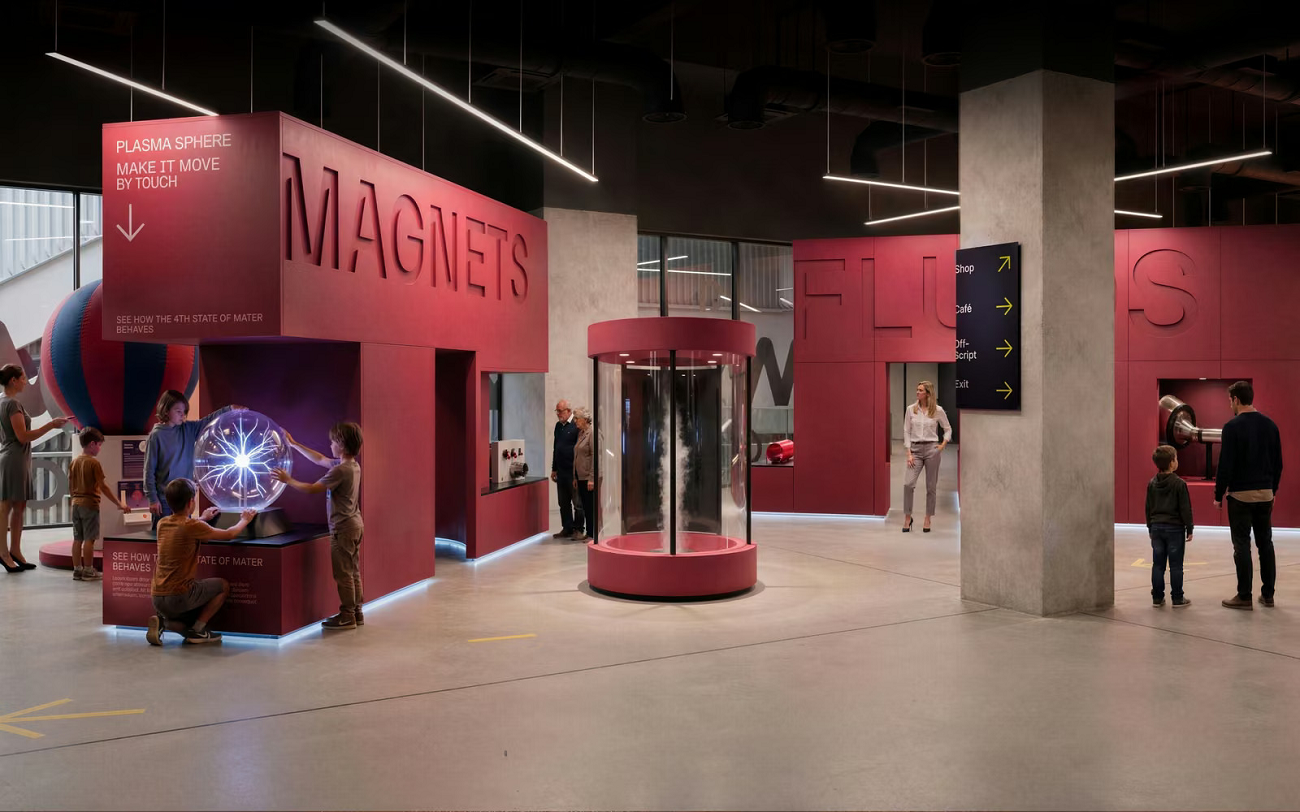
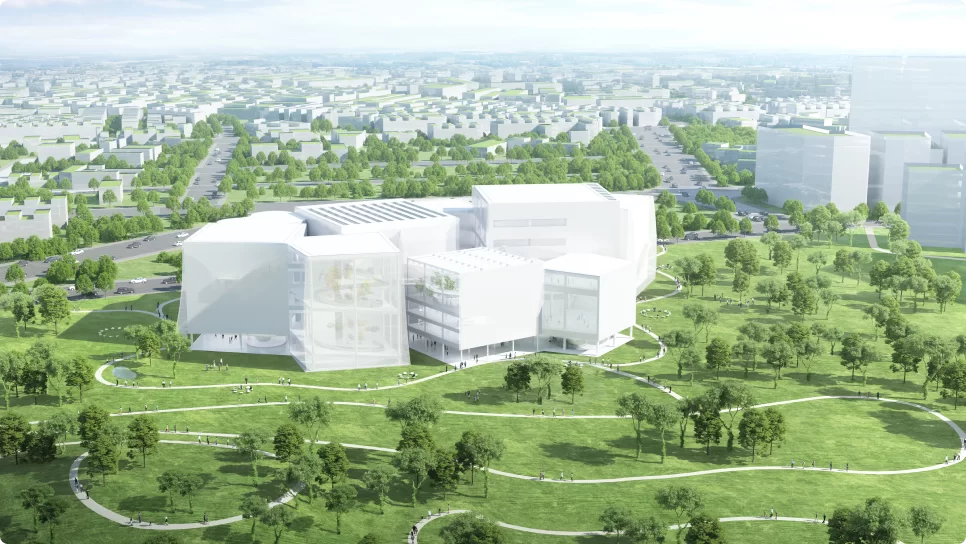
MODI, rendering
Experiences That Spark Curiosity
Among the experiences planned for the opening are:
Sound becomes visible. The frequencies selected by visitors create geometric shapes in silicone oil and glycerin, and the ferrofluid rises into spikes that “dance” to the vibrations.
A tornado you can touch. A whirlwind forms at the push of a button, and visitors can shape it with their hands.
Balls floating in the air. Jets of air keep light balls suspended, each at a different height—an illustration of the effect discovered by Romanian engineer Henri Coandă.
Light that changes its path. Visitors direct beams of light through prisms and transparent elements and see how the light takes on new forms.
Water that generates energy. Visitors move blocks, mill wheels, and small dams into the water’s path and discover how water flows, how we can use it as a source of energy, and how we can change its course.
The Earth That Reacts. An LED sphere reacts to what visitors do around it. Here, visitors also learn why the way we build our homes matters for the climate.
Robots That Surprise You. A Different Perspective on Robots and How We Interact with Them.
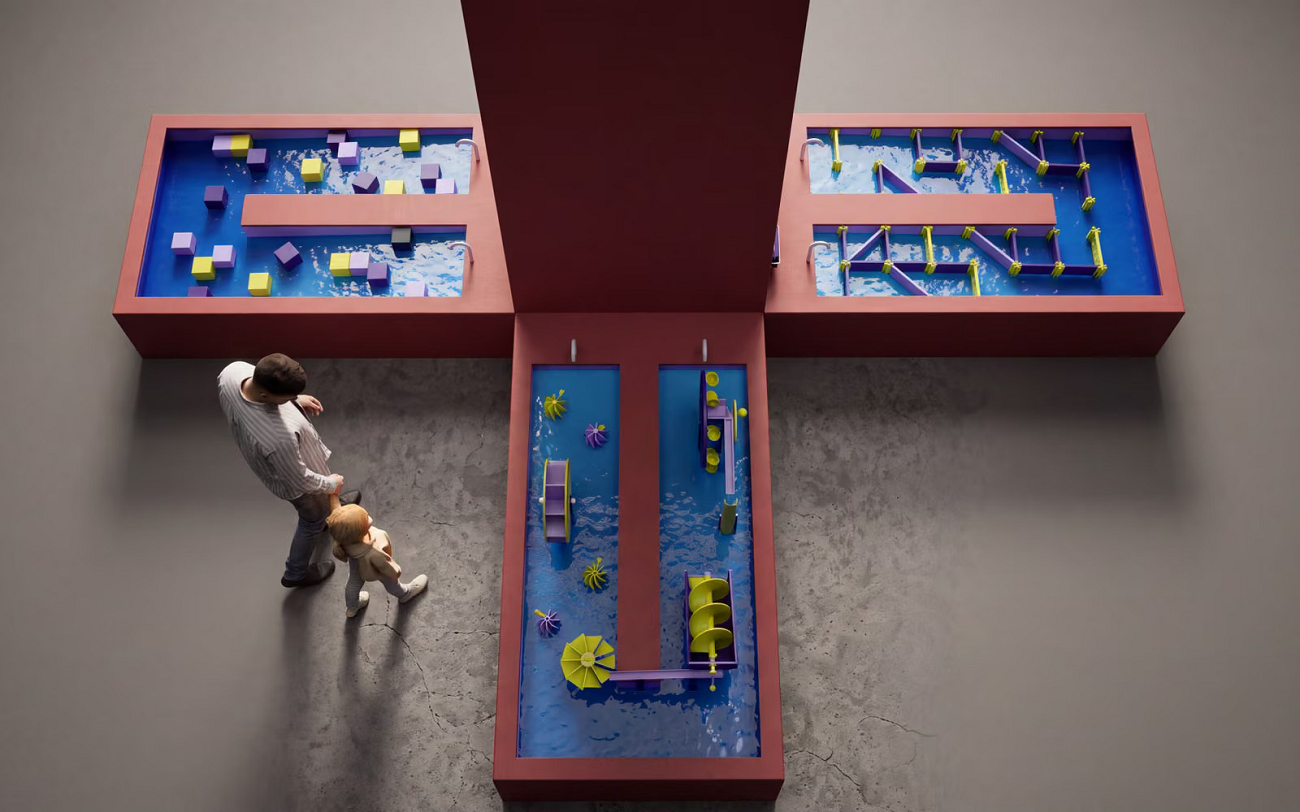
MODI, rendering
AI-powered explanations, workshops, and temporary exhibitions
Artificial intelligence will tailor content and explanations to each visitor’s age, language, and level of knowledge, and some of the museum’s operational processes will be managed autonomously by artificial intelligence. Workshops for school groups and families, temporary exhibitions, and events will enhance the visitors’ experience at the museum.
“We envision MODI as a place where different generations explore together, and where the same installation can spark different questions for a child, a parent, or a teacher. We want the experience to continue even after the visit—through an idea discussed at home, a discovery revisited at school, or the desire to learn more,” says Flavia Gherman, co-founder of MODI.
European Model
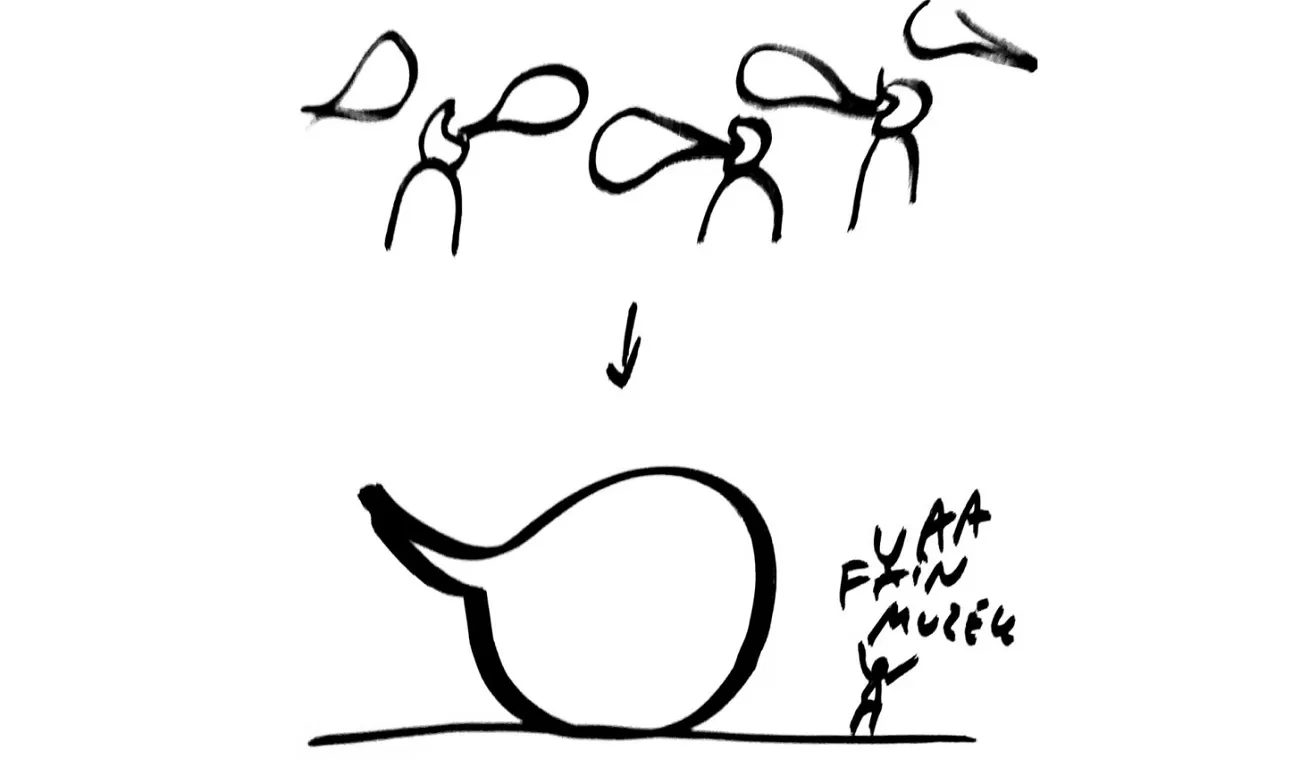
The spatial concept was developed by the CUMULUS Architecture Romania team (which has also designed other public projects such as MARe—the Museum of Recent Art, The Marmorosch Hotel), led by Eliza Yokina, and translates mathematical forms and symbols into structures that organize the visitor’s journey.
The team responsible for implementing the interactive installations includes BRUNS Netherlands (NEMO Science Museum Amsterdam, Hong Kong Science Museum, Henan Science Center) and Archimedes Exhibitions Germany (Copernicus Science Center in Warsaw, Città della Scienza in Naples, Shenzhen Science & Technology Museum), along with Atelier ELAN (Romania) and Sebastien KOMA Studio (Romania).