



Romanian Peasant Museum is once again open to visitors in its entirety
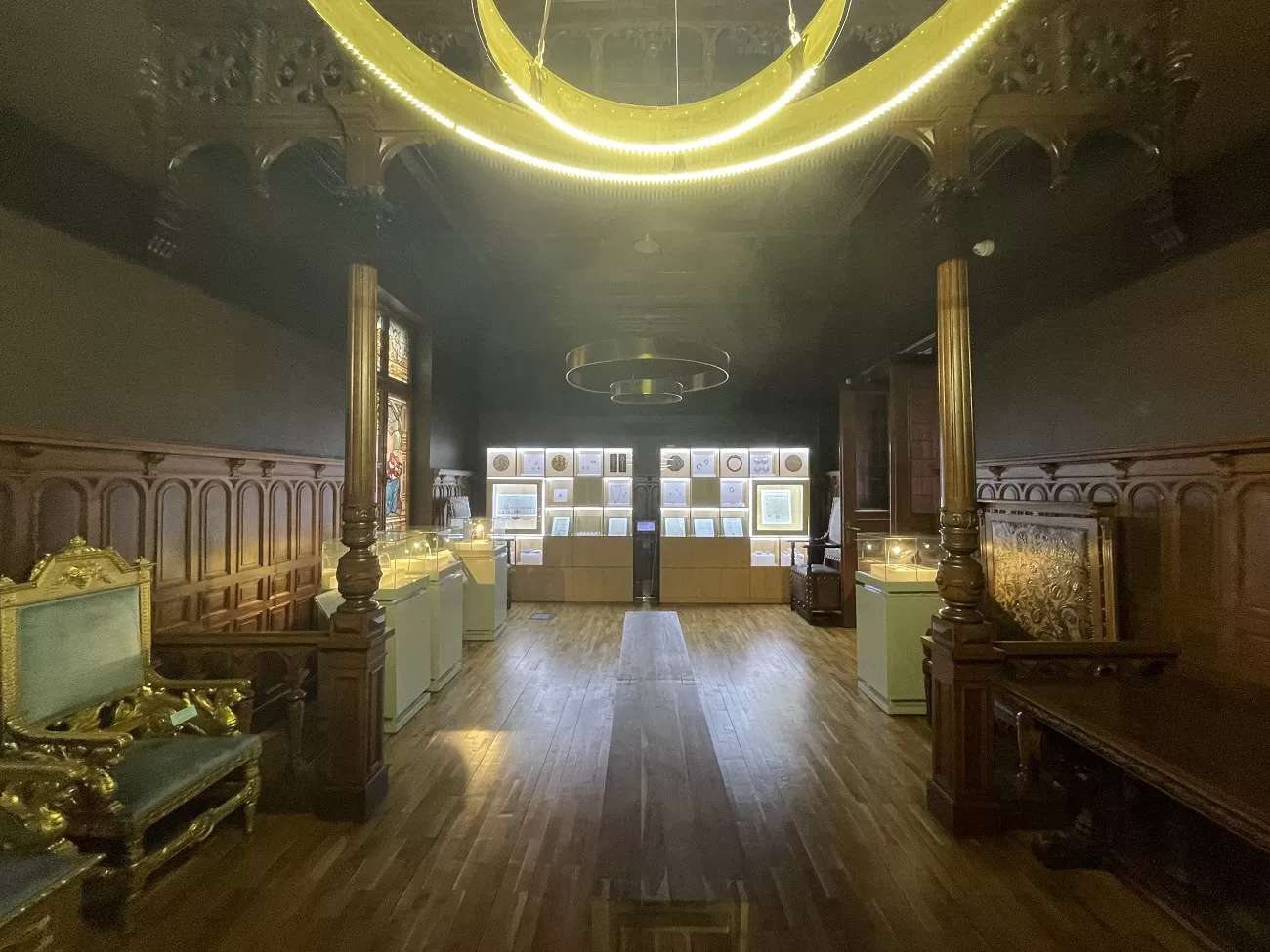
The National Museum of the Romanian Peasant will once again be open to visitors in its entirety starting June 28, following ten years of work to reinforce the permanent exhibition floor.
Following the reopening of the ground floor in April 2025 with the exhibition “Christian Law,” the museum’s upper floor has now also reopened with the permanent exhibition “The Order of Life.”
In 2026, the National Museum of the Romanian Peasant will celebrate its 120th anniversary and the 30th anniversary of receiving the European Museum of the Year Award.
Two new exhibitions round out the tour. “The Hutsuls” highlights the heritage and cultural world of the Hutsul communities in Bukovina and Maramureș, while “Wind Instruments” showcases the richness of traditional wind instruments and their place in the lives of Romanian communities.
The History of the MNȚR
In 1875, Titu Maiorescu had the idea of collecting and preserving artifacts from Romanian village life. Three decades later, in 1906, the Museum of Ethnography, National Art, Decorative Art, and Industrial Art was established, forming the core of today’s National Museum of the Romanian Peasant. On October 1, 1906, art historian and museologist Alexandru Tzigara-Samurcaș was appointed to lead the new institution; he would go on to define its mission and identity.
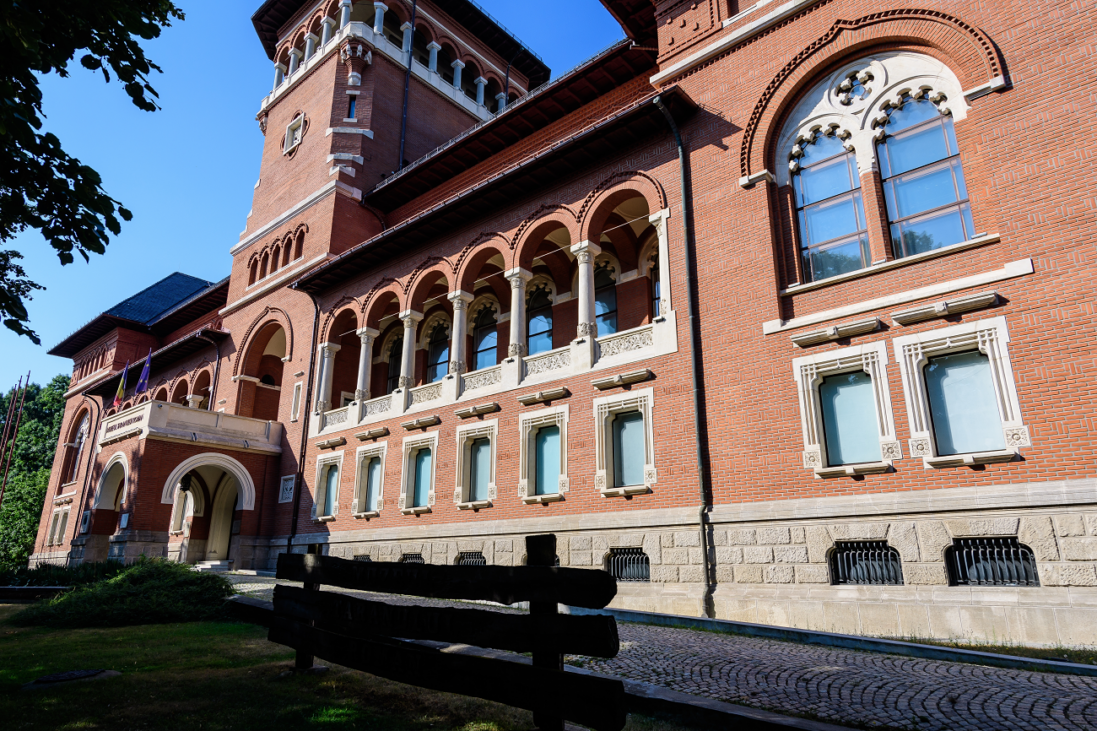
The museum building he founded was designed from the outset to fulfill the functions he had envisioned, rivaling the most modern European museums of the time in terms of its architectural design, interior layout, exhibition design, and conservation practices. Samurcaș led the museum for 40 years.
In 1953, the museum was forced out of its own building and operated in the Știrbei Palace on Calea Victoriei as the Museum of Folk Art. After the 1977 earthquake, it left this location as well and was administratively merged with the Village Museum.
It was not until 1990 that the decision was made to return the collections to the building on Kiseleff Road and to reestablish the museum under the name Museum of the Romanian Peasant. Horia Bernea (director) and his team of specialists transformed it into a leading institution of Romanian museology. Thanks to their efforts, in 1996 the museum was awarded the prestigious EMYA (European Museum of the Year Award), making it the only museum in Romania to receive this honor.
In the 21st century, the museum was led by Academician Dinu C. Giurescu (2000–2005), anthropologist Vintilă Mihăilescu (2005–2010), historian Virgil Ștefan Nițulescu (2010–2016; 2019–present), and artist Lila Passima (2016–2019).