



Văcărești, Bucharest’s Future Forest / Photo Gallery
On the site of the demolished Văcărești Monastery and the surrounding buildings—on the site of what was intended in the 1980s to be a recreational area in the form of a dammed lake with various attractions—and precisely as a result of this plan, a unique ecosystem emerged. Nature evolved freely, unhindered for many years. The area was gradually discovered by Bucharest residents, then by those interested in building there, and finally, exactly ten years ago, it was designated a protected area.
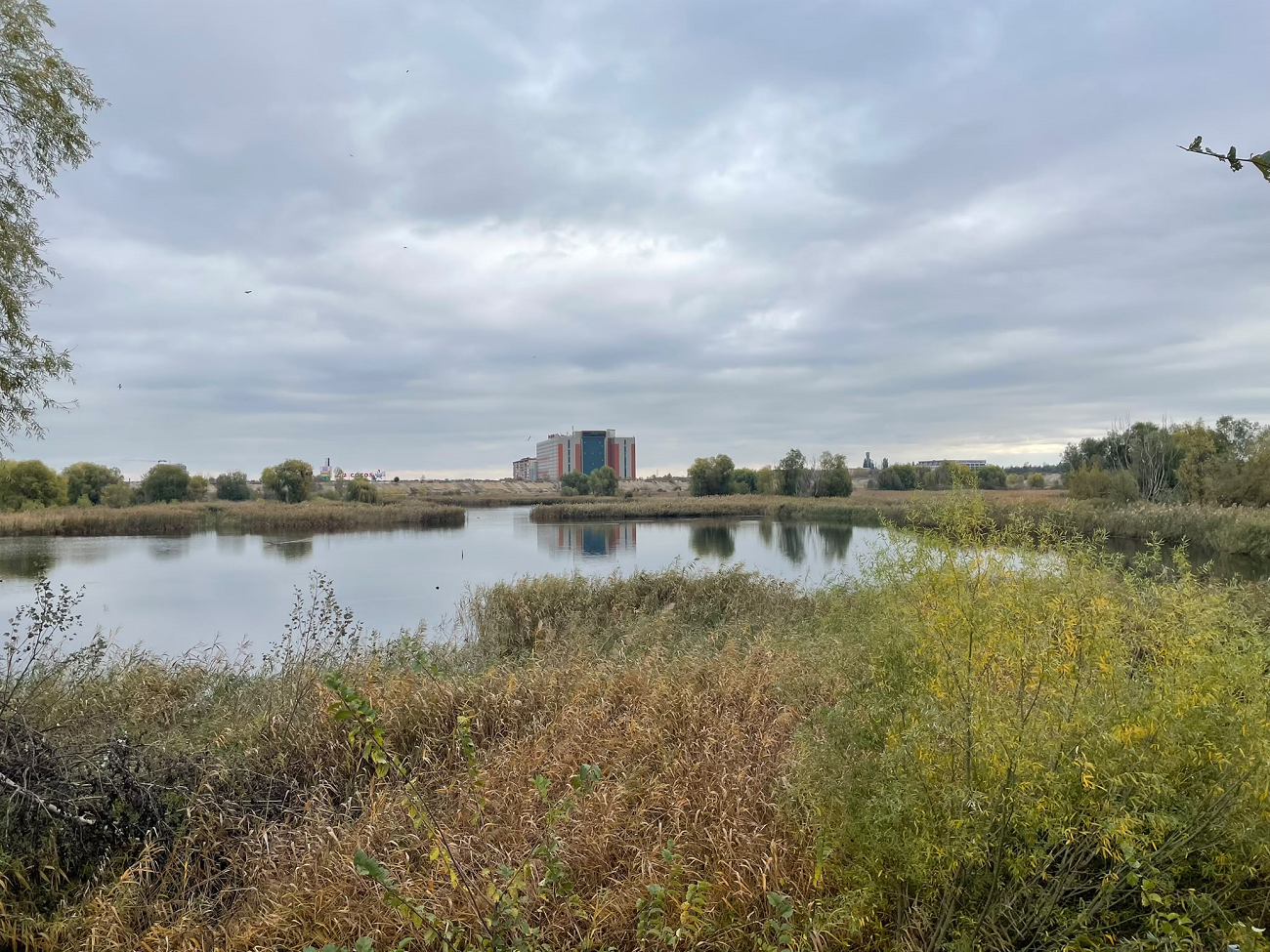
The Largest Body of Water in Văcăresti Natural Park, 2026; curatorial
There are other natural parks in Europe, in Berlin, Vienna, and London. Charles, then Prince of Wales, requested to visit Văcărești. And he did so in May 2017—discreetly, without meeting with city or national officials. Furthermore, he planted a poplar tree—“Charles’s Poplar,” as the Bucharest Natural Park Association calls it. It receives no special care; it is left to grow freely and is not marked in any way, but it can be found along the park’s main trail. The only intervention in the park’s vegetation has been to clear the main trails.
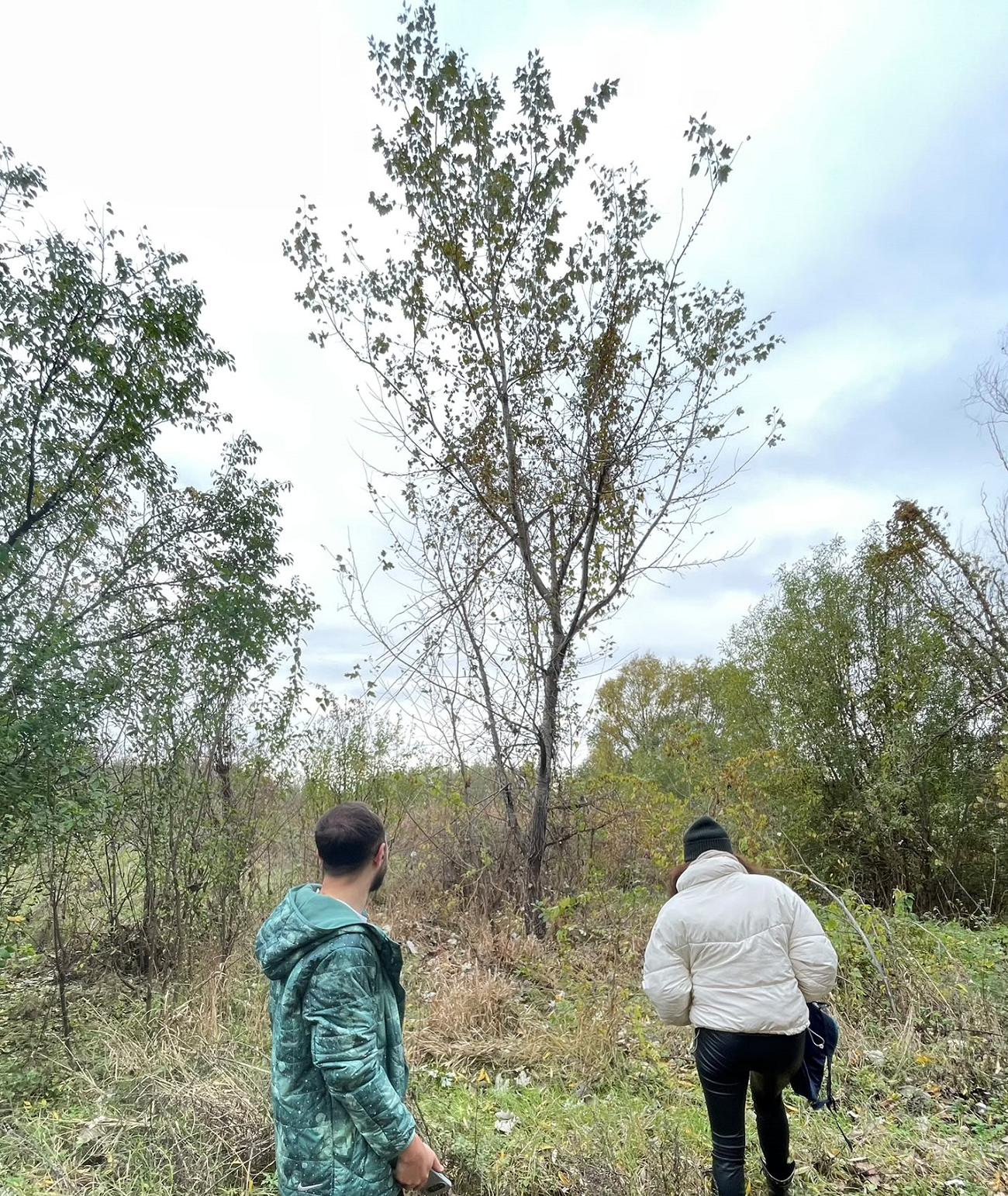
“Charles’s Poplar” in Văcărești Natural Park, 2026; curatorial
Nature Reborn from Concrete
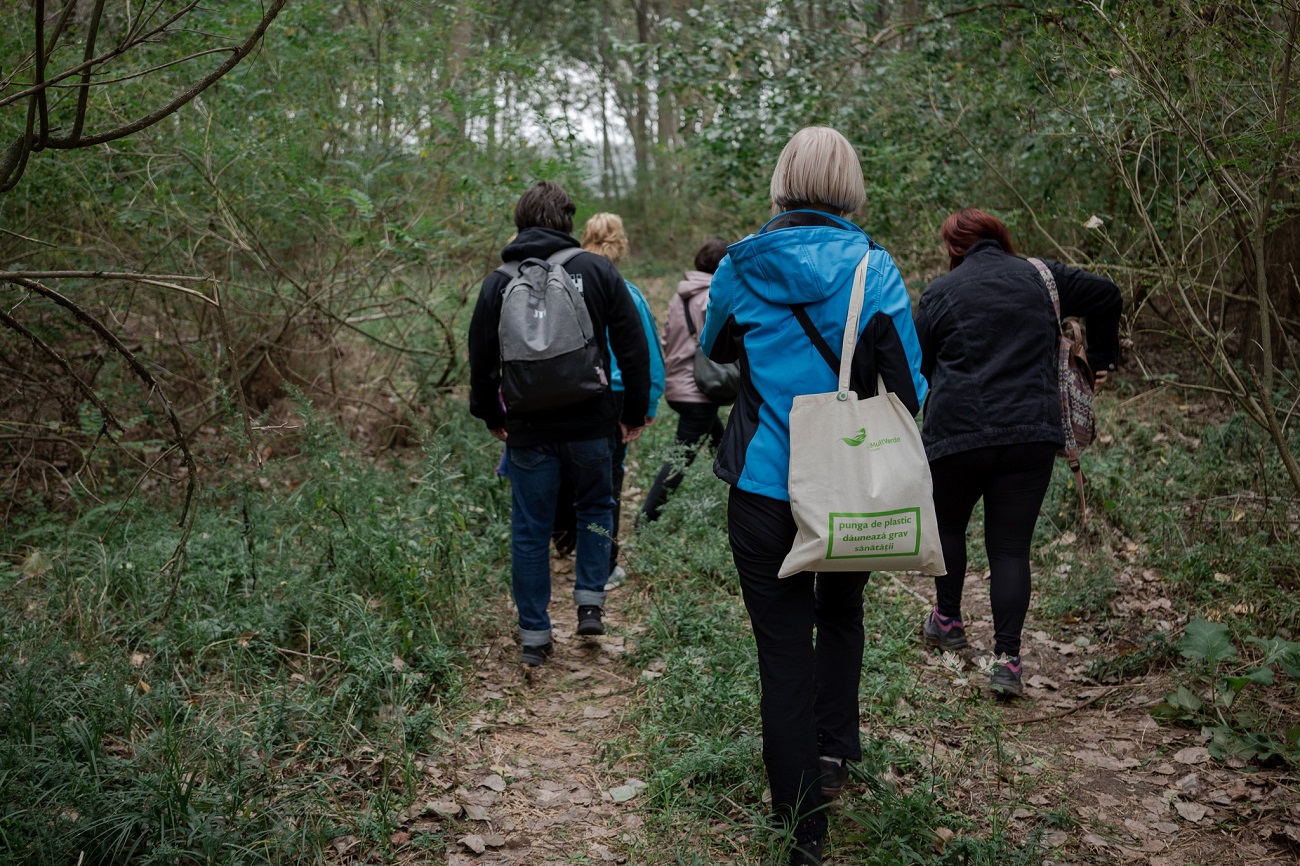
The “classic” tour covers 5,000–6,000 steps and includes rest stops, observation points, signs, and informational panels. Right at the entrance from Glădiței Street, there is a map and instructions on how to best navigate the trail.
The scene that has unfolded over the past four decades on a layer of concrete covering much of the pond’s bottom is spectacular. Also in November. “New” swans — meaning those hatched this year — coexist with teals, cormorants, as well as the red-breasted woodpecker, frogs (and turtles), and snakes.
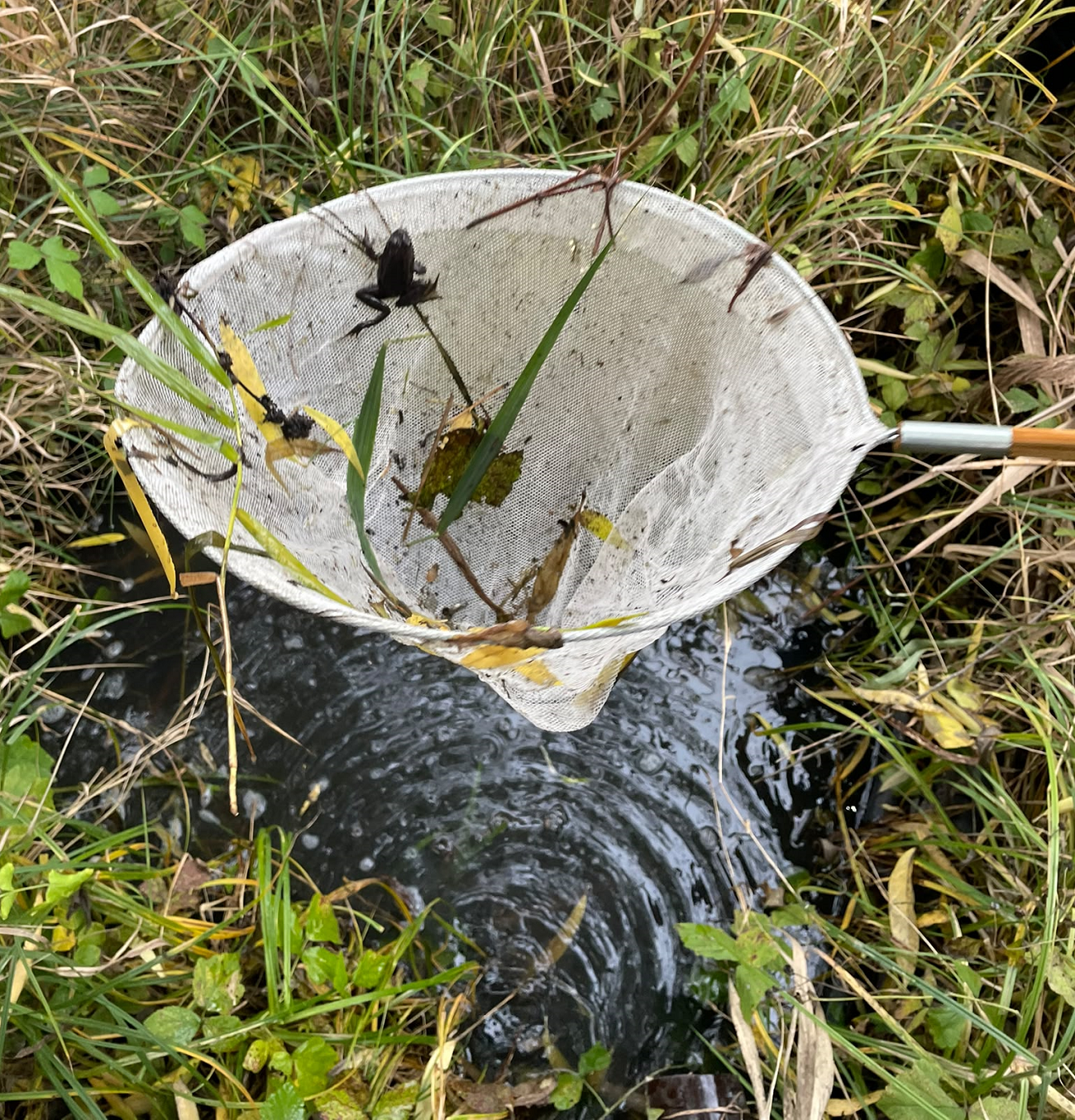
Văcărești Natural Park, 2026; curatorial
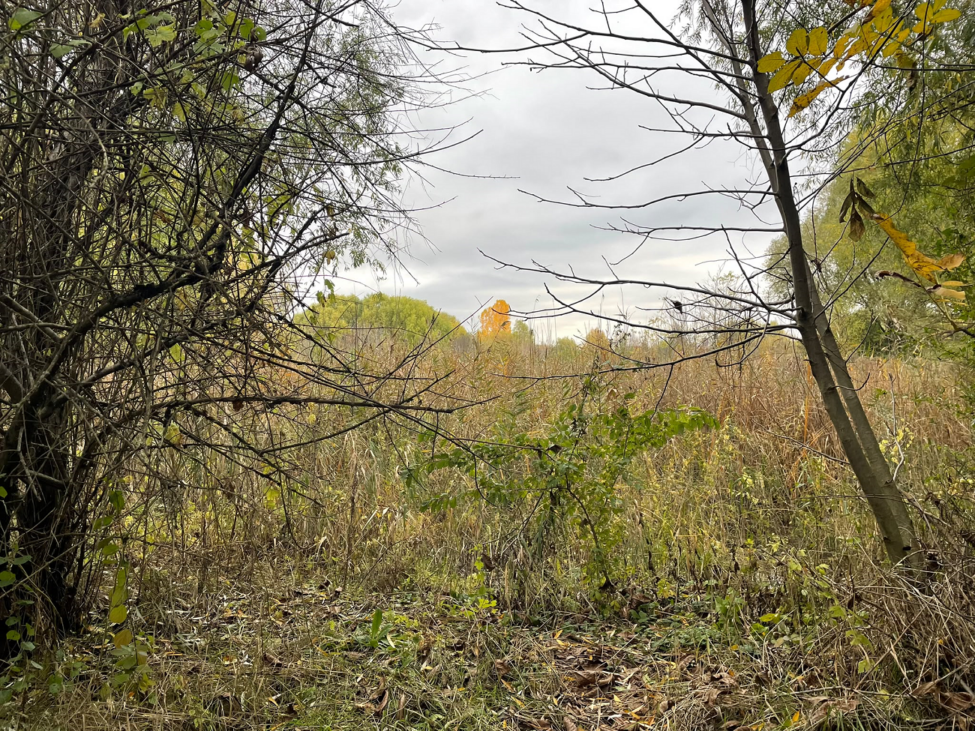
About 200 species of birds and more than 40 species of woody plants—trees, shrubs, and vines—have been identified. Among them are the white willow, maple, walnut, and ash. Some grew naturally, while others were introduced through planting or by accident.
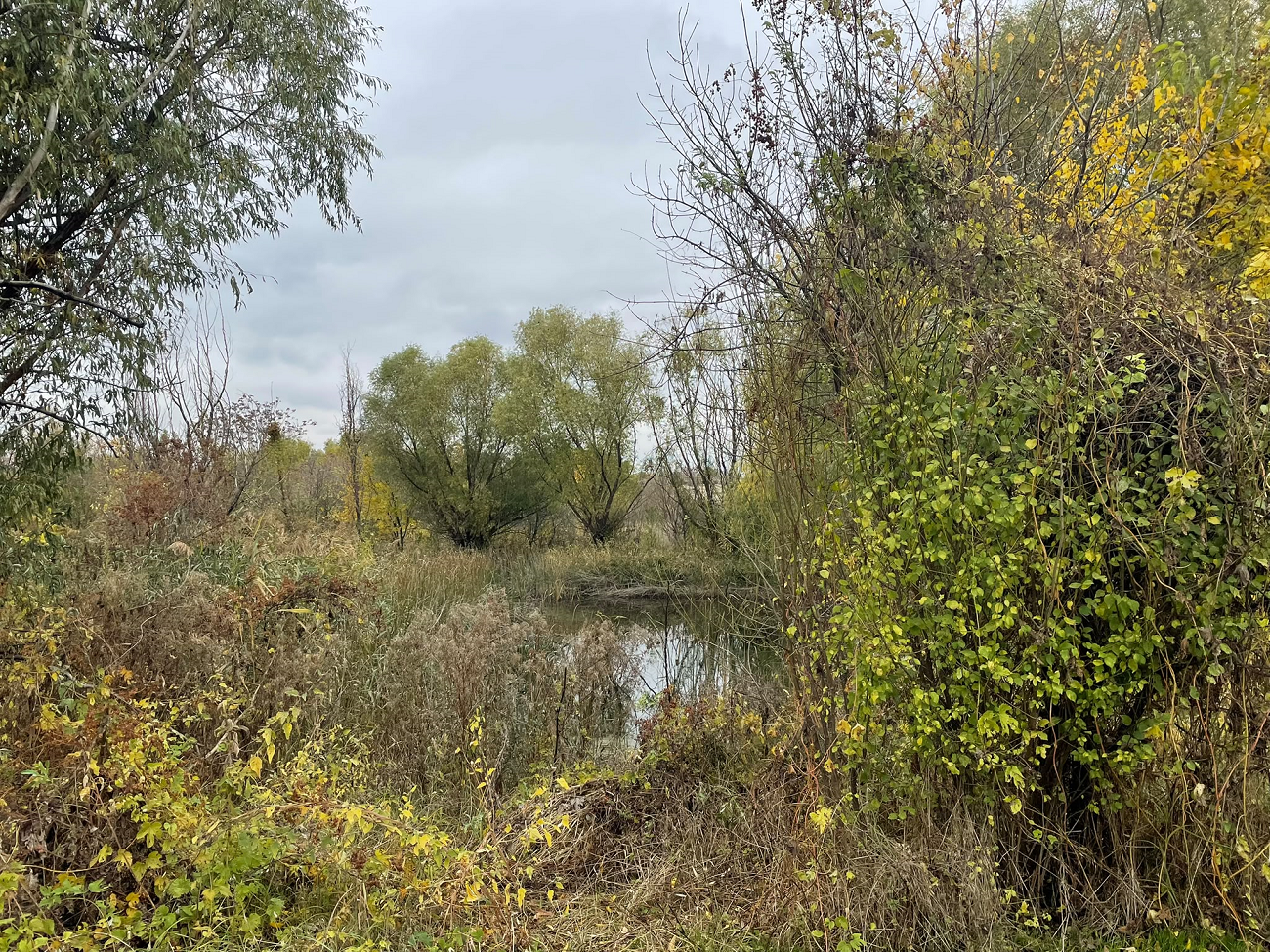
Văcărești Natural Park, 2026; curatorial
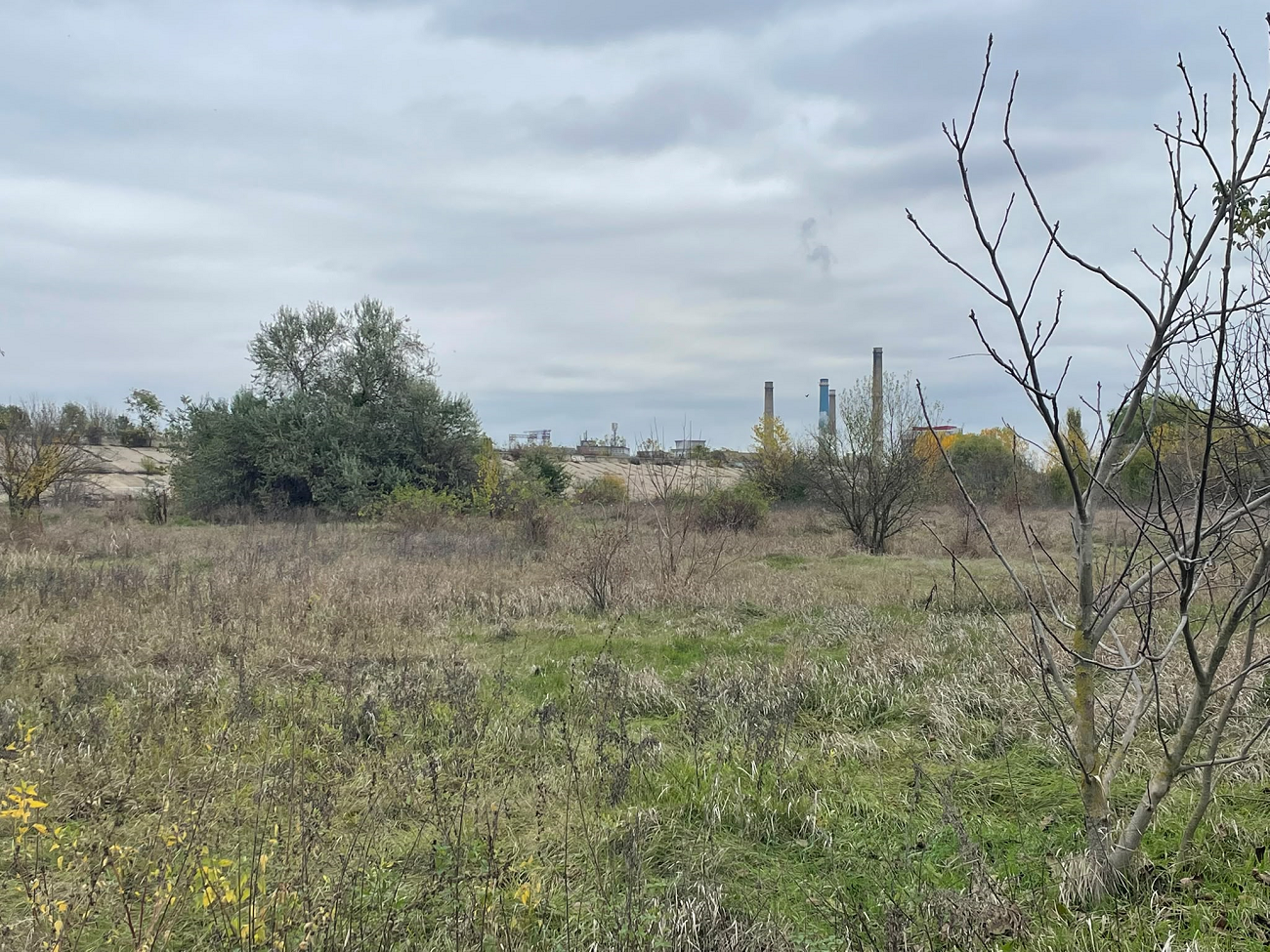
Văcărești Natural Park, 2026; curatorial
“This is a park that has the potential to positively influence Bucharest’s development in terms of biodiversity and the way parks are managed. (…) Fifteen years ago, this place looked completely different, with just one or two willow trees. The vegetation you see now — the trees, shrubs, and a fairly diverse array of wild flora — represents evolution. In ten years, everything will certainly be different. We’ll be talking about a true urban forest, with bodies of water in the middle,” explained Dan Bărbulescu, director of the Bucharest Natural Park Association, during a tour marking the Romanian premiere of the series “Evolution” on BBC Earth.
It was this organization that succeeded in securing protected natural area status for the site and then in establishing the first nature park in an urban setting in Romania.
Văcărești – a brief history
The site has a history spanning more than three centuries. The Văcărești Monastery was built in the natural marshy floodplain of the Dâmbovița River, on the site where a shopping mall stands today. It was an important monastic center in the region, and the artifacts and documents that have been recovered will be on display at the Mogoșoaia Palace in a new section.
Văcărești later housed a prison. The entire complex was demolished, and it was decided to integrate the site into the water management infrastructure network, with the goal of creating a recreational area as well, as explained by Mircea Calnegru, director of the Văcărești Natural Park Administration. During the construction of the massive concrete basin in the late 1980s, in preparation for a visit by Nicolae Ceaușescu, the basin was filled with water as a demonstration; however, since it was not yet finished or sealed, it flooded.
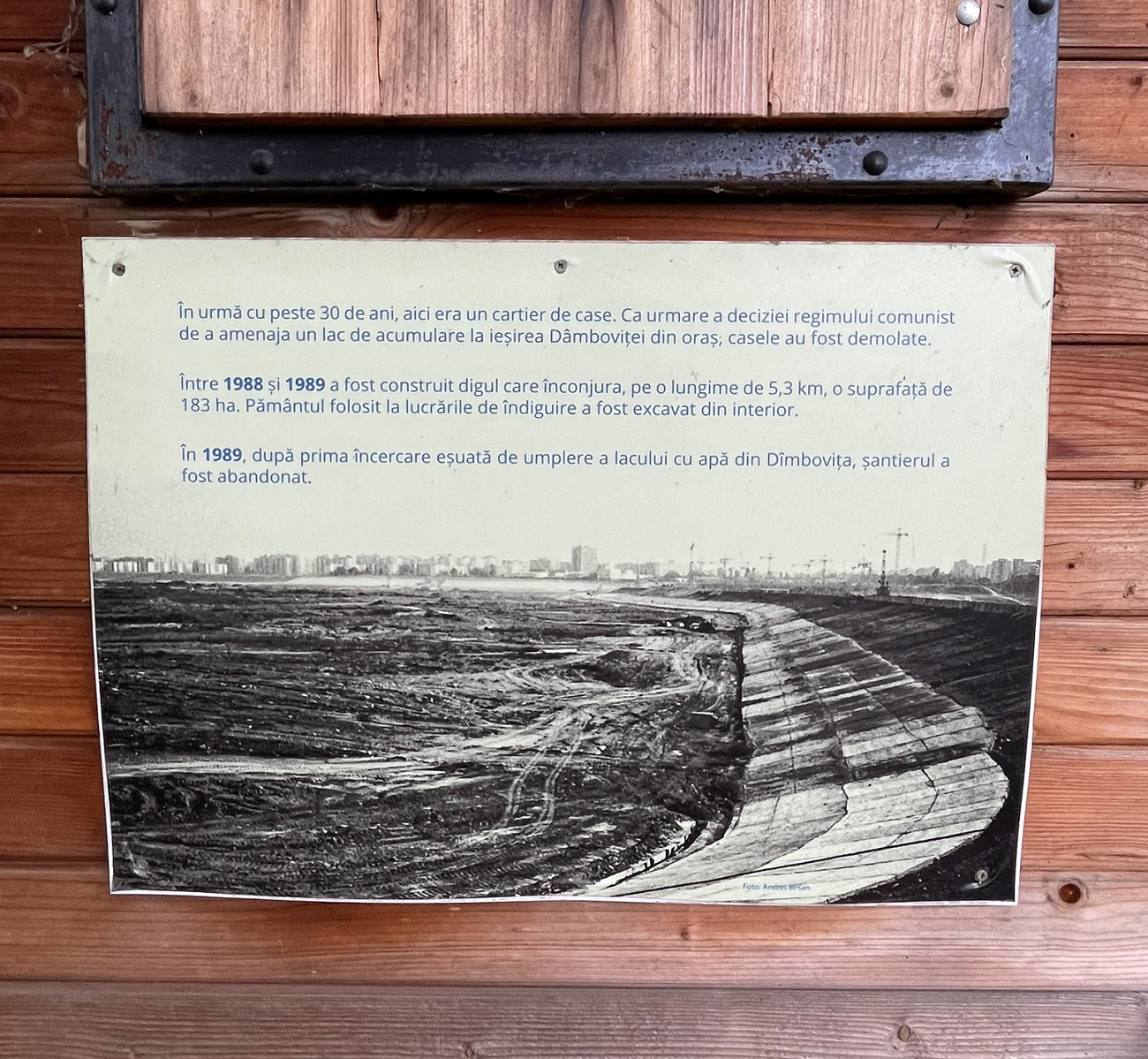
Archival photograph; curatorial
The construction site was abandoned in 1989, one year after the more than 5-kilometer-long dike had been built, and was then forgotten for a long time. As a result, a typical wetland habitat developed. zonă umedă.
Located in the city, yet so far from the hustle and bustle, Văcărești Nature Park is a great place to spend some time. Admission is free, and guided tours are organized periodically; details are available at anpv.ro.
Văcărești Natural Park is one of six such protected areas in the Bucharest area. The list is rounded out by Lunca Dâmboviței, Băneasa Forest, Petricani Meadow, Valea Saulei , and the Dobroești Reed Beds.