




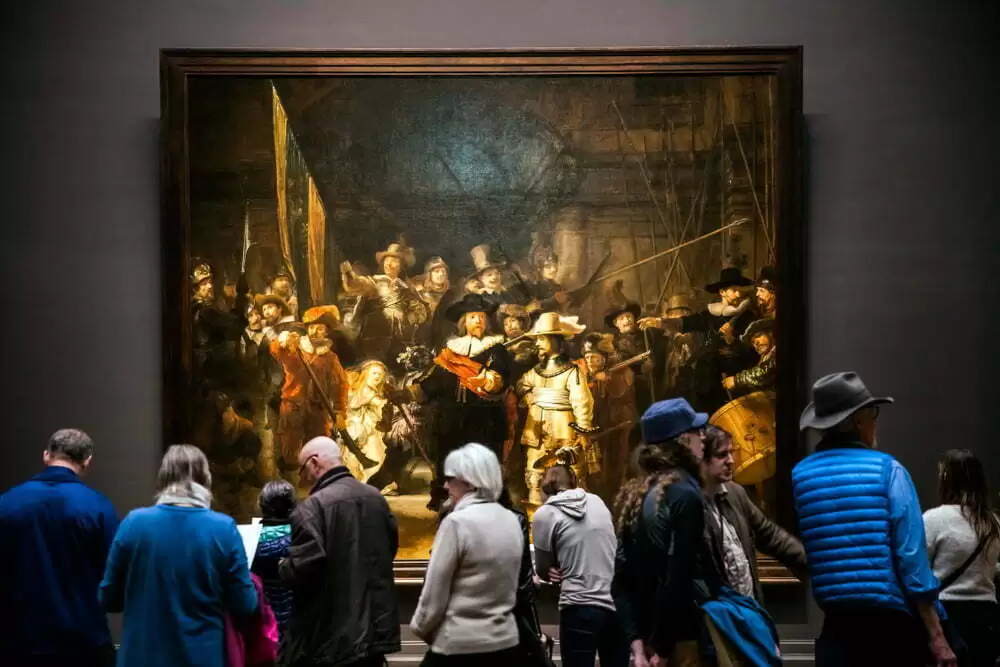
Over the centuries, many artists have handled, often unknowingly, extremely toxic products which, although not harmful to their own health, can sometimes pose a risk to museum visitors. Rembrandt used a layer of anti-mold lead, Damien Hirst "played" with gas vapors,
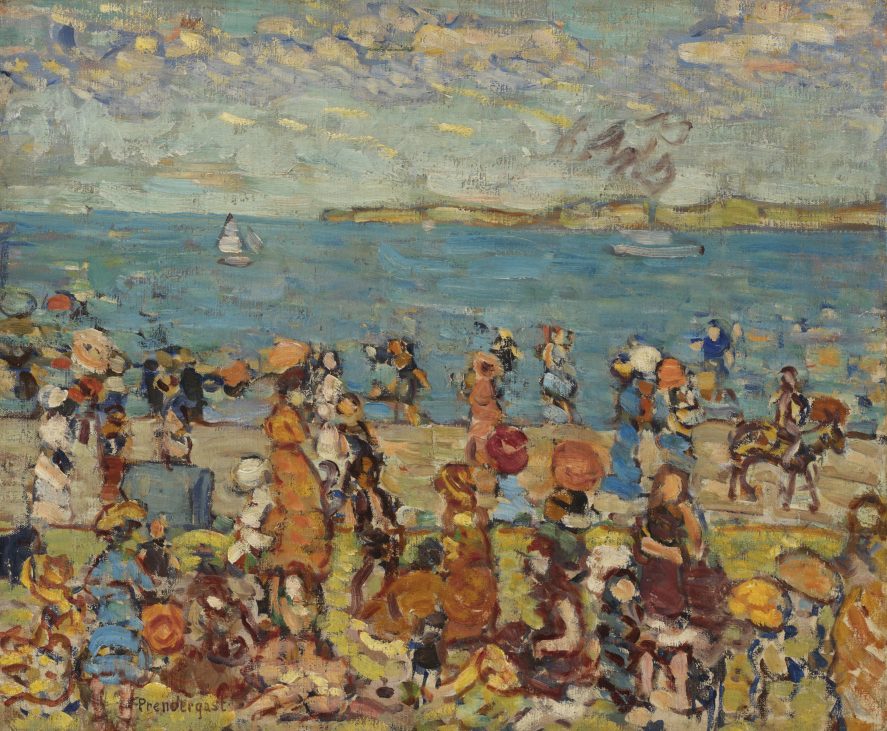
The beach - bright, stormy, gloomy and blissful - has been popular with artists for centuries. Its beauty and melancholy have been rendered in different ways over the ages. Curatorial chose some of the most beautiful beaches painted by artists
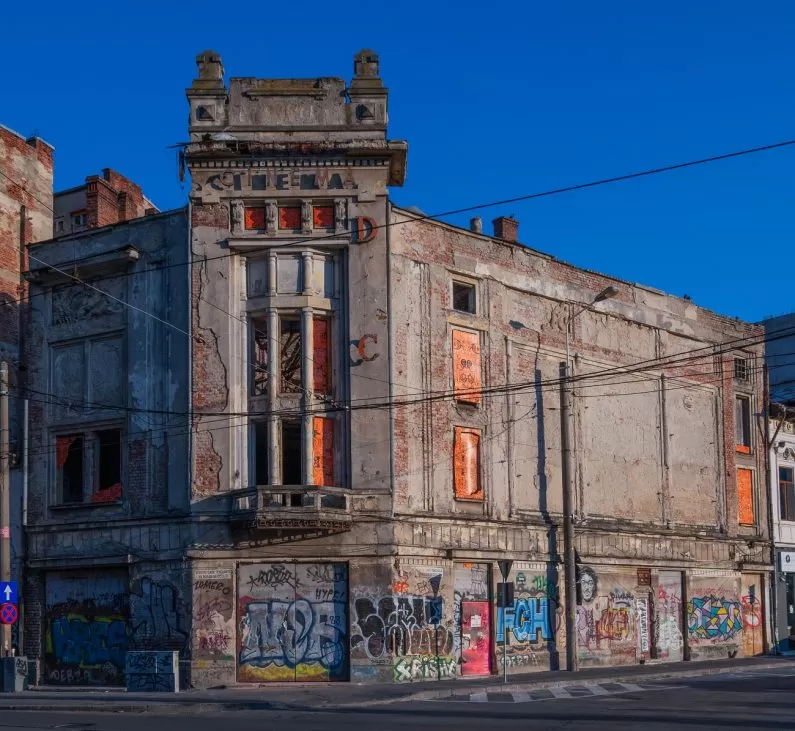
Marconi Cinema in Bucharest, inaugurated in 1930 after being designed by architect Constantin Canănău, and left in a state of disrepair for decades, has a good chance to come back to life thanks to a rehabilitation campaign. ARCEN has announced that
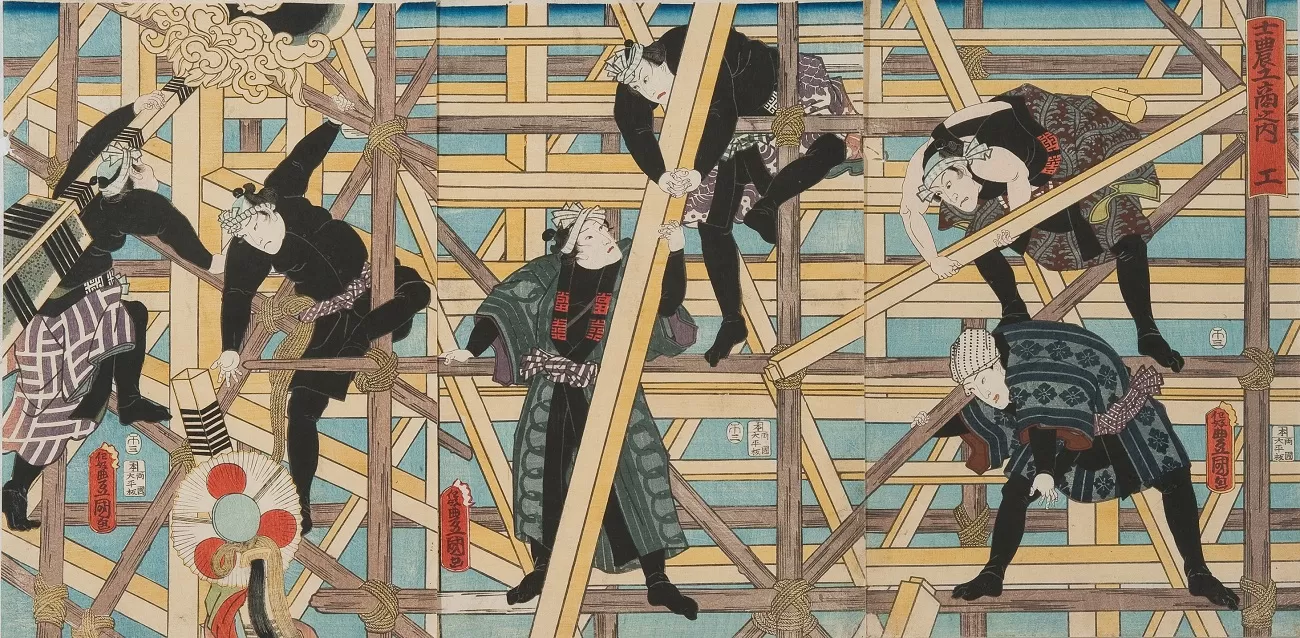
Ninety objects will be exhibited for the first time in the Oriental Art Gallery of the National Art Museum of Romania (MNAR), starting August. The institution has announced that from July 30 to August 1 both the Oriental Art Gallery and
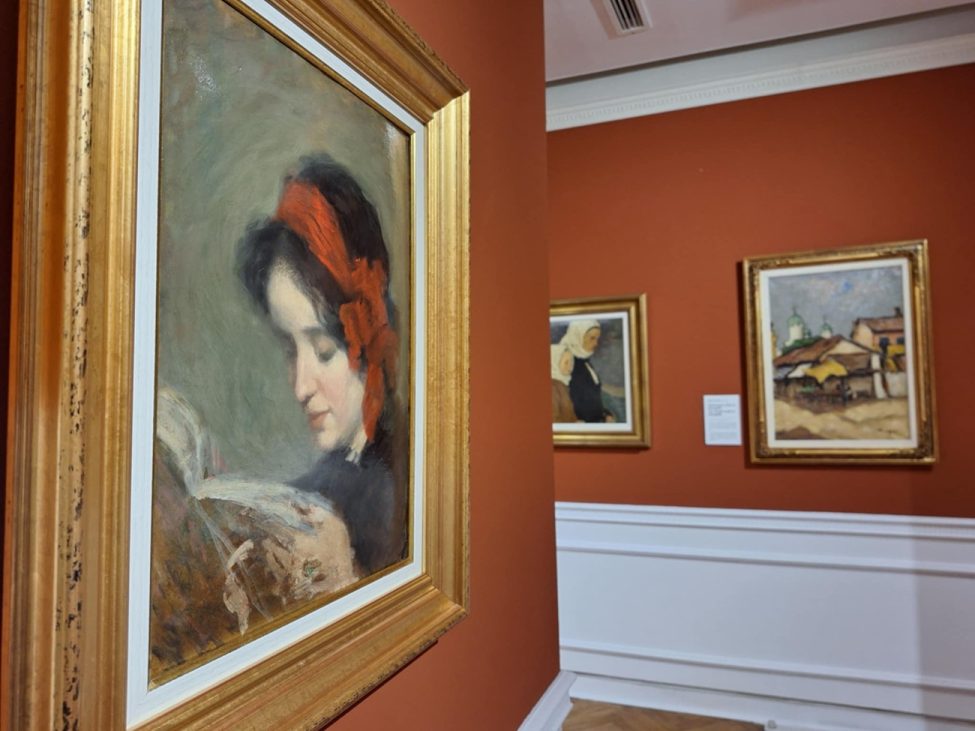
Works from the different periods of Nicolae Tonitza's creative career preserved in the Brukenthal National Museum are part of an exhibition that can be seen during the regular visit. The museum's collection contains some of the works exhibited during the artist's
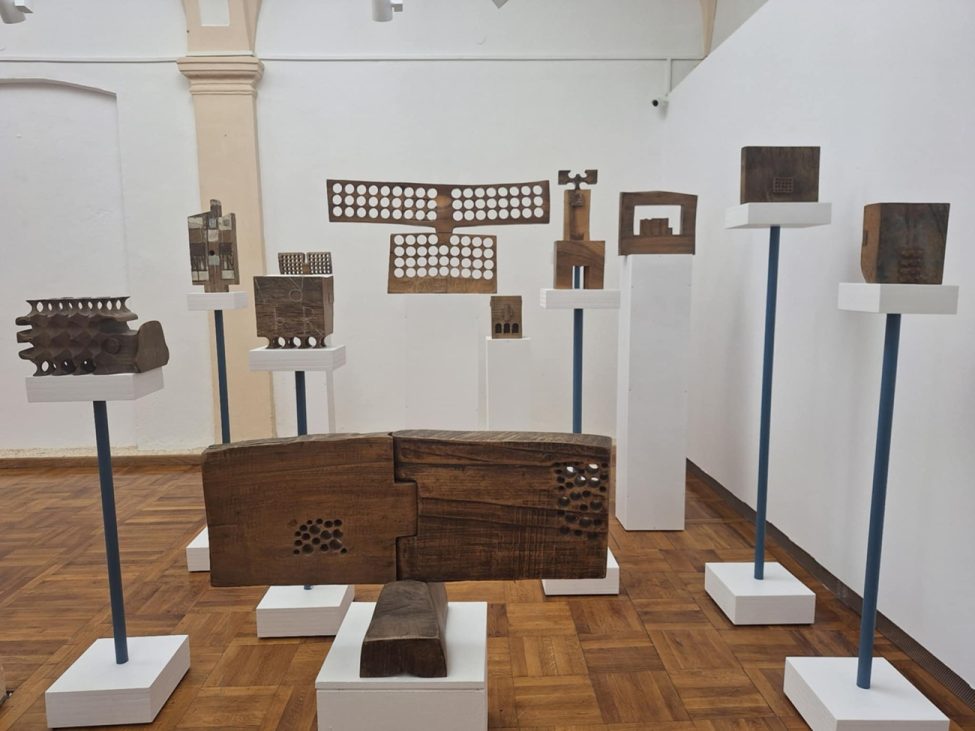
The Ovidiu Maitec retrospective, dedicated to one of the most innovative figures in post-war Romanian art, 100 years after his birth, can be seen at the Brukenthal National Museum in Sibiu. Gates as wings, perforated wood, thrones and containers as functional
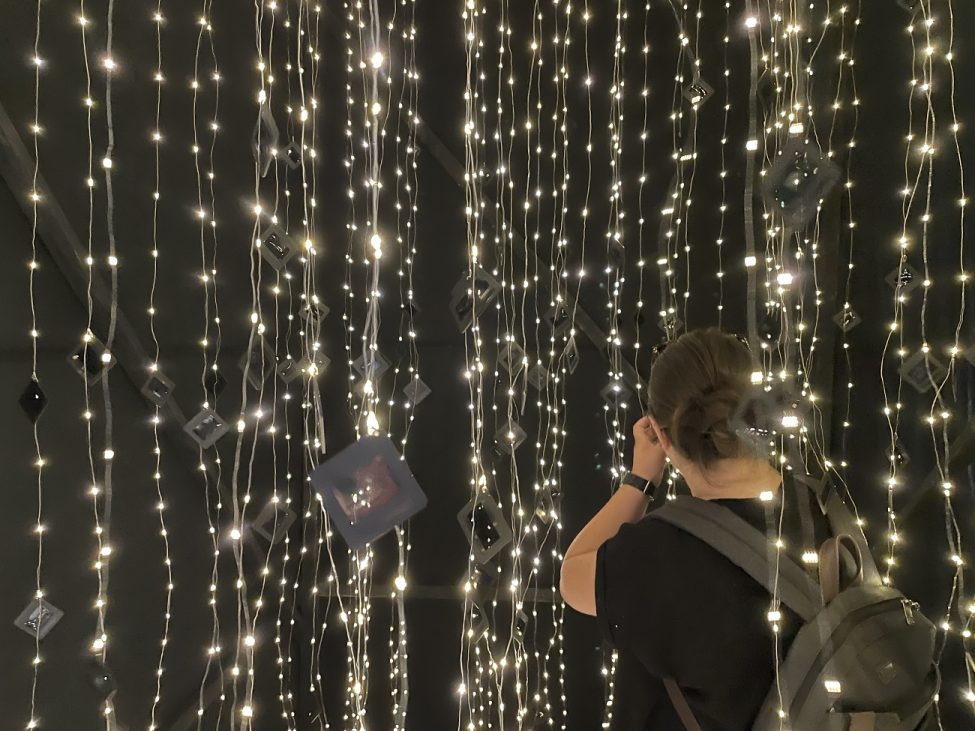
Collage, fabric, slides, video and natural elements are combined in installations, large works, executed with attention to detail, which address themes such as memory, the status of the artist, absence and loss, the online environment. Made by the latest graduates from
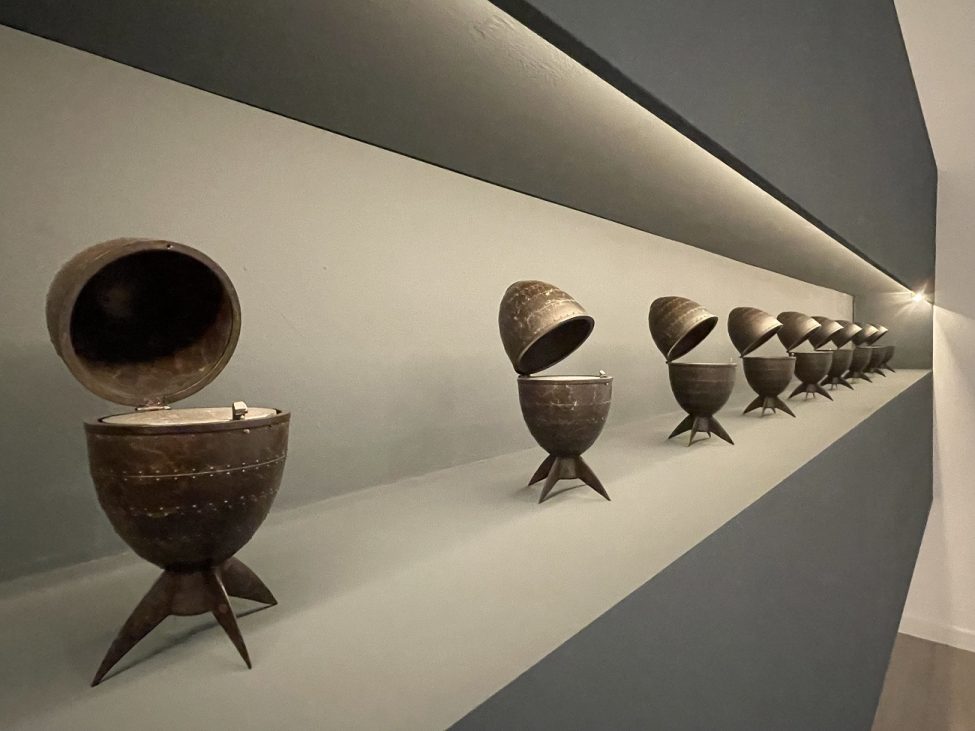
Bronze ammunition replicas of a small Cold War-era Russian nuclear bomb make up a sculptural installation entitled 'Archaeology of Absence'. The ten bronze and aluminium sculptures by Larissa Sansour are on display alongside photographs at the Art Encounters Biennale in
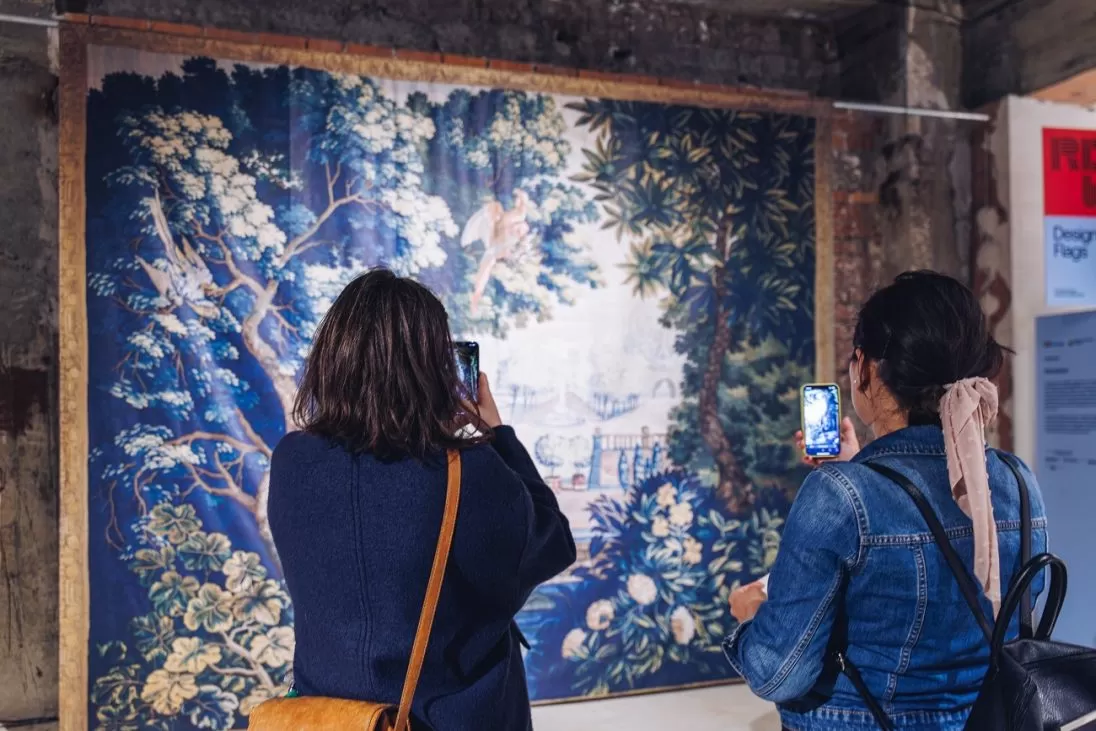
French artist Lauriane Obry offers new perspectives on the woven object through a research project that is being presented these days in Bucharest. In an interview for curatorial, she explains how she has combined new technologies with tapestry to allow the
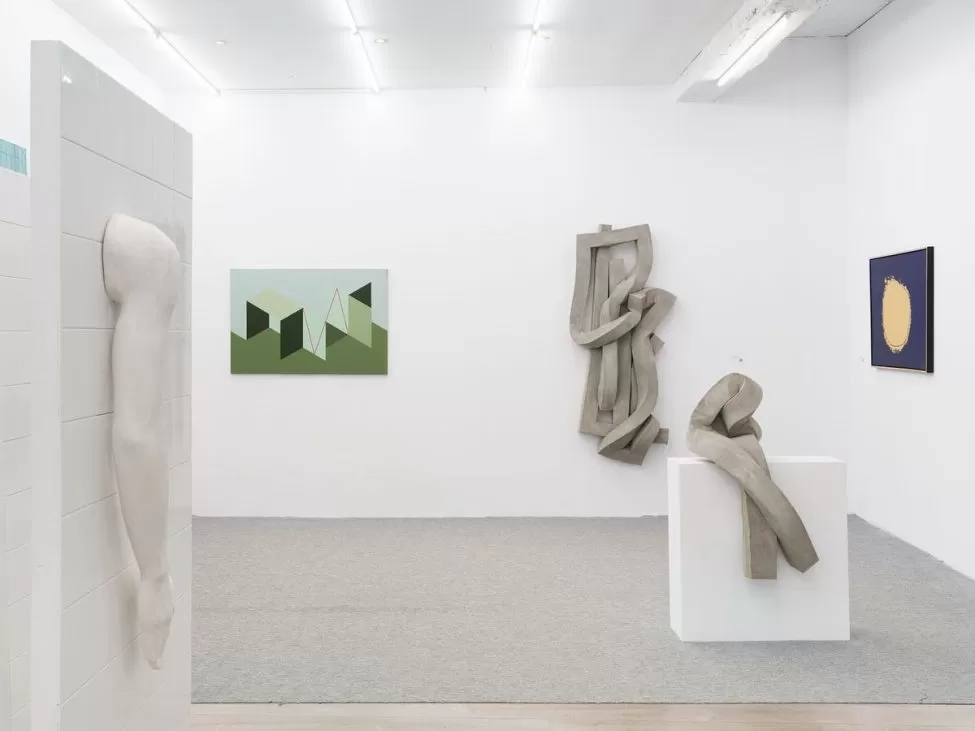
Most Romanian art collectors are aged between 45 and 54, buy mainly paintings, own around twenty pieces and visit about two art fairs a year. For many, buying art is a moderate investment rather than a major financial commitment. These