




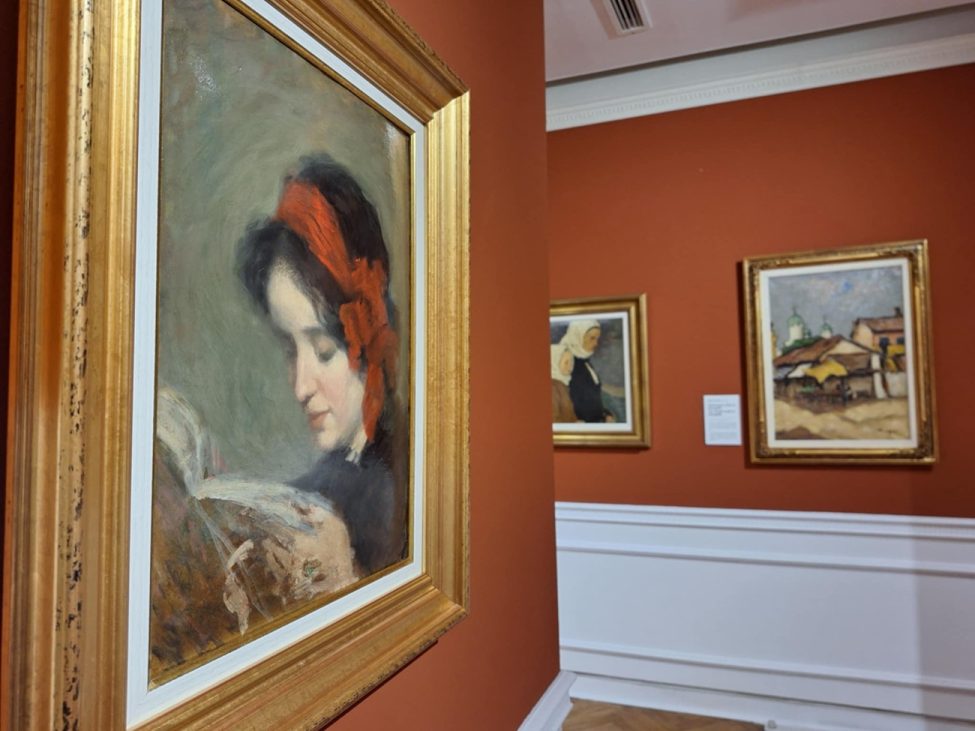
Works from the different periods of Nicolae Tonitza's creative career preserved in the Brukenthal National Museum are part of an exhibition that can be seen during the regular visit. The museum's collection contains some of the works exhibited during the artist's
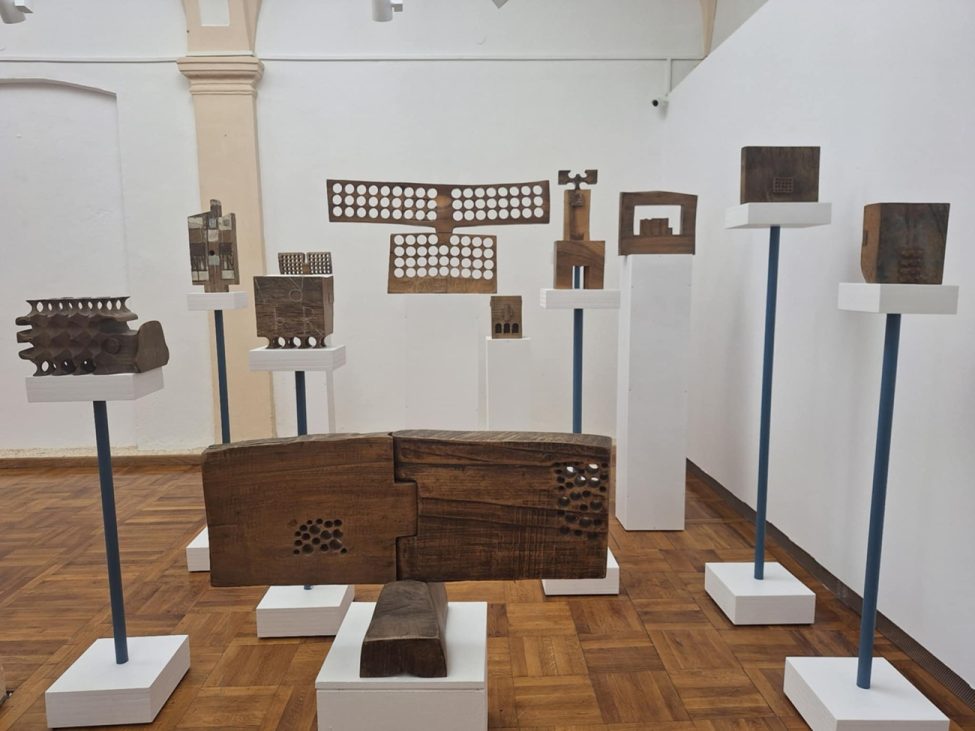
The Ovidiu Maitec retrospective, dedicated to one of the most innovative figures in post-war Romanian art, 100 years after his birth, can be seen at the Brukenthal National Museum in Sibiu. Gates as wings, perforated wood, thrones and containers as functional
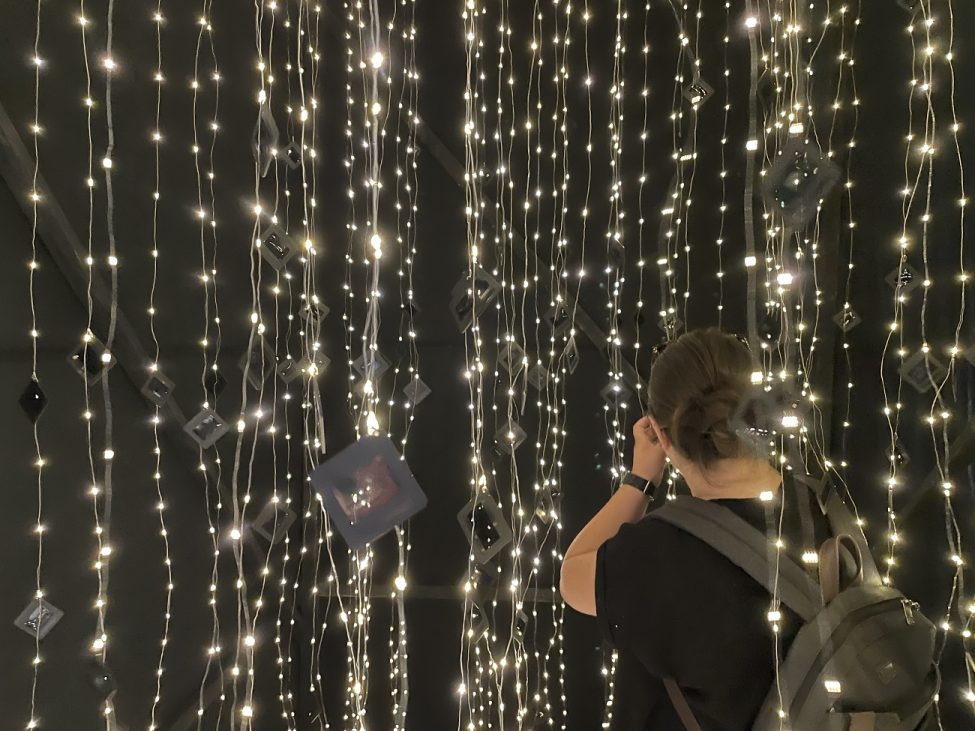
Collage, fabric, slides, video and natural elements are combined in installations, large works, executed with attention to detail, which address themes such as memory, the status of the artist, absence and loss, the online environment. Made by the latest graduates from
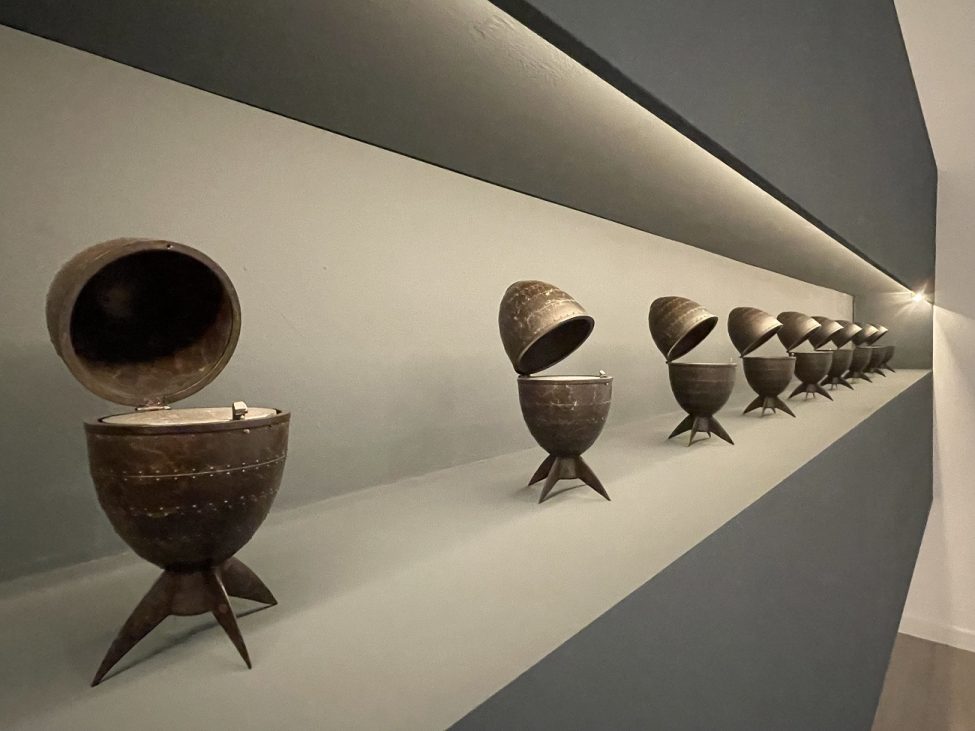
Bronze ammunition replicas of a small Cold War-era Russian nuclear bomb make up a sculptural installation entitled 'Archaeology of Absence'. The ten bronze and aluminium sculptures by Larissa Sansour are on display alongside photographs at the Art Encounters Biennale in
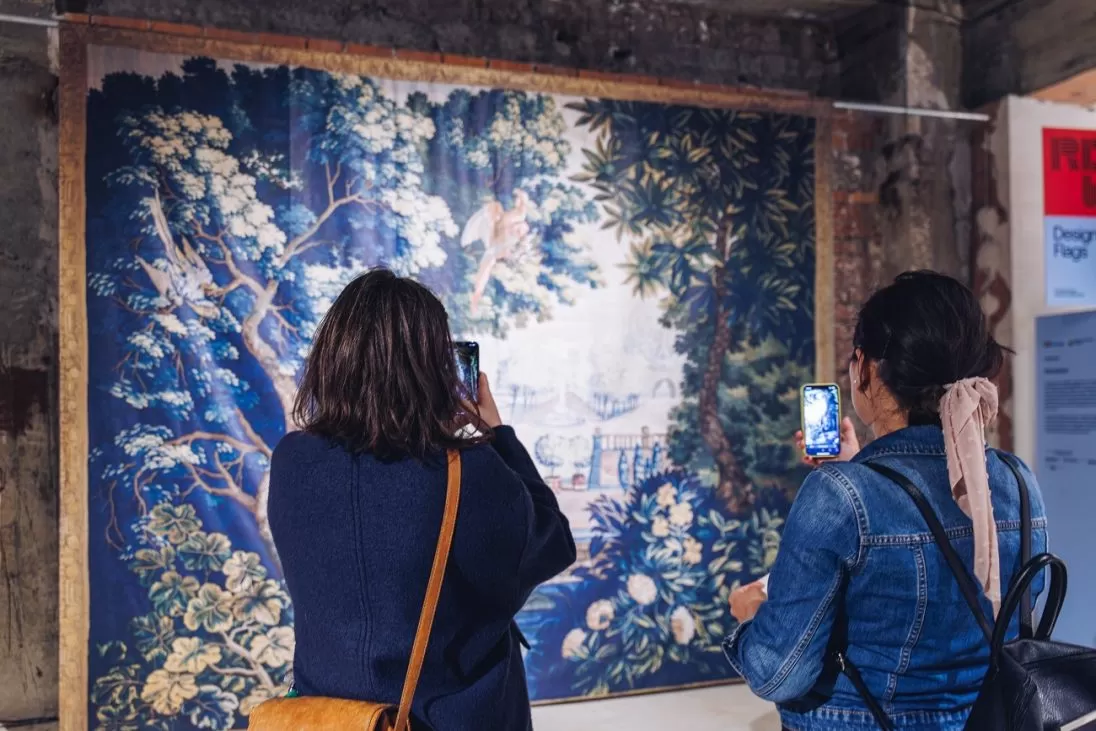
French artist Lauriane Obry offers new perspectives on the woven object through a research project that is being presented these days in Bucharest. In an interview for curatorial, she explains how she has combined new technologies with tapestry to allow the
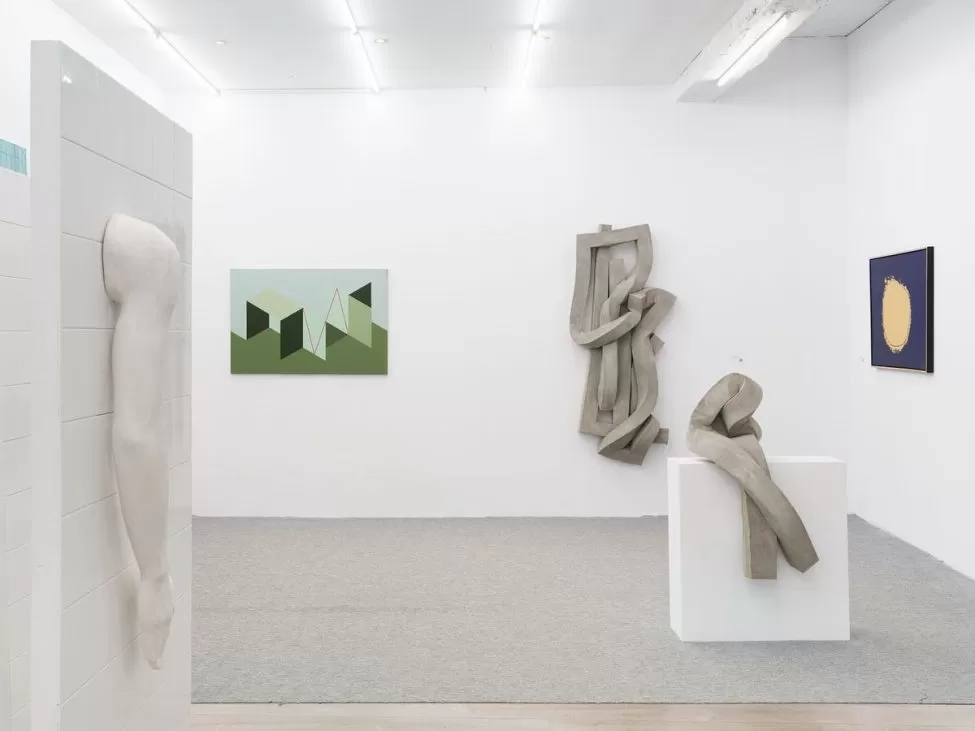
Most Romanian art collectors are aged between 45 and 54, buy mainly paintings, own around twenty pieces and visit about two art fairs a year. For many, buying art is a moderate investment rather than a major financial commitment. These
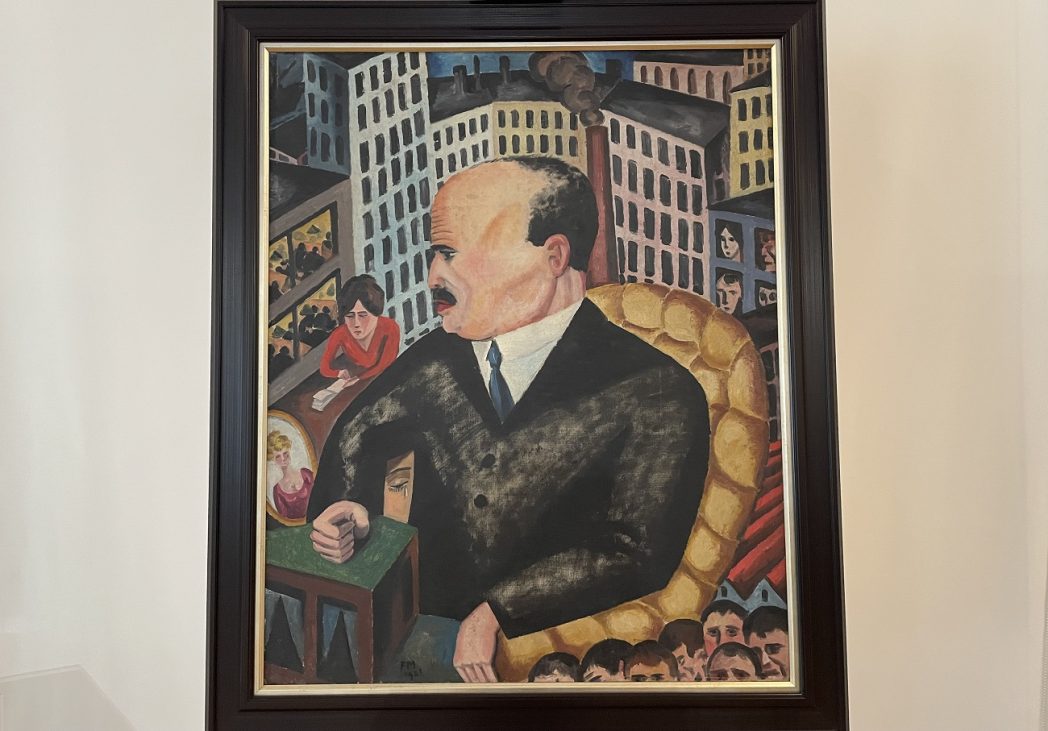
"The Factory Manager", an oil on canvas donated to the Romanian state in 1949, is unique in the œuvre of Frans Masereel, about whom little is known. The artist distinguished himself as an engraver and book illustrator, an activist for
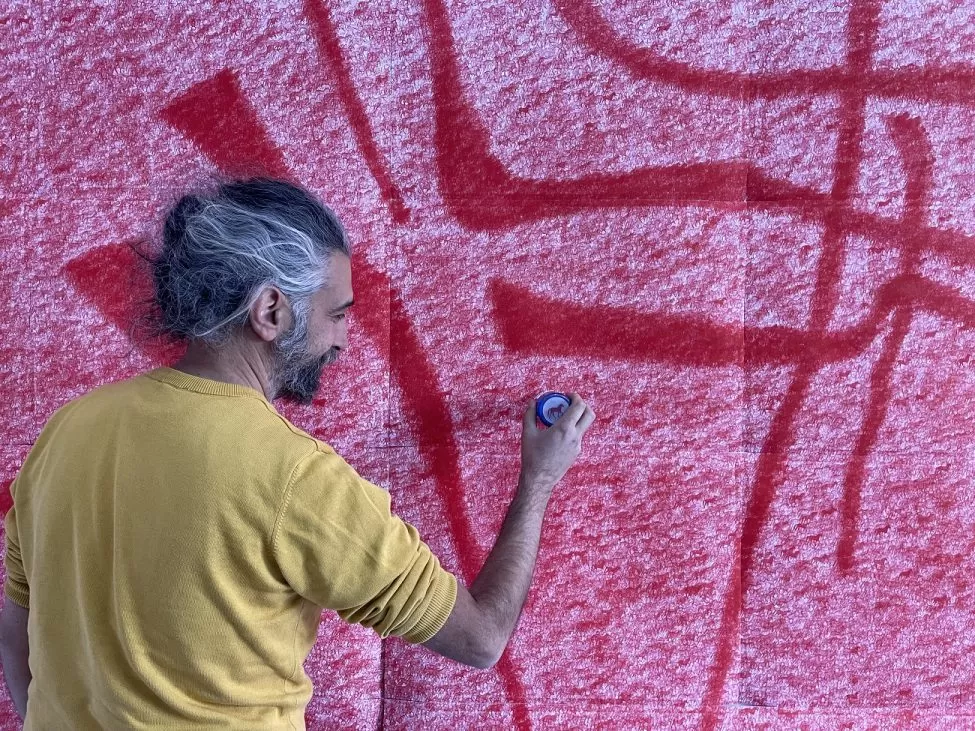
Horses killed in the First World War are depicted in an 82-meter-long work, a tribute to them and their fragility by artist Edi Constantin. In his studio at Malmaison, he has so far set 3.5 million stamps out of a total

“The Newest Olympia”, painted in 1930 by Corneliu Michăilescu, is a tribute-painting to Édouard Manet's “Olympia”. Moreover, it is a result, one might say, of the period when the Romanian artist collaborated with the renowned neurologist Gheorghe Marinescu. Michăilescu experimented
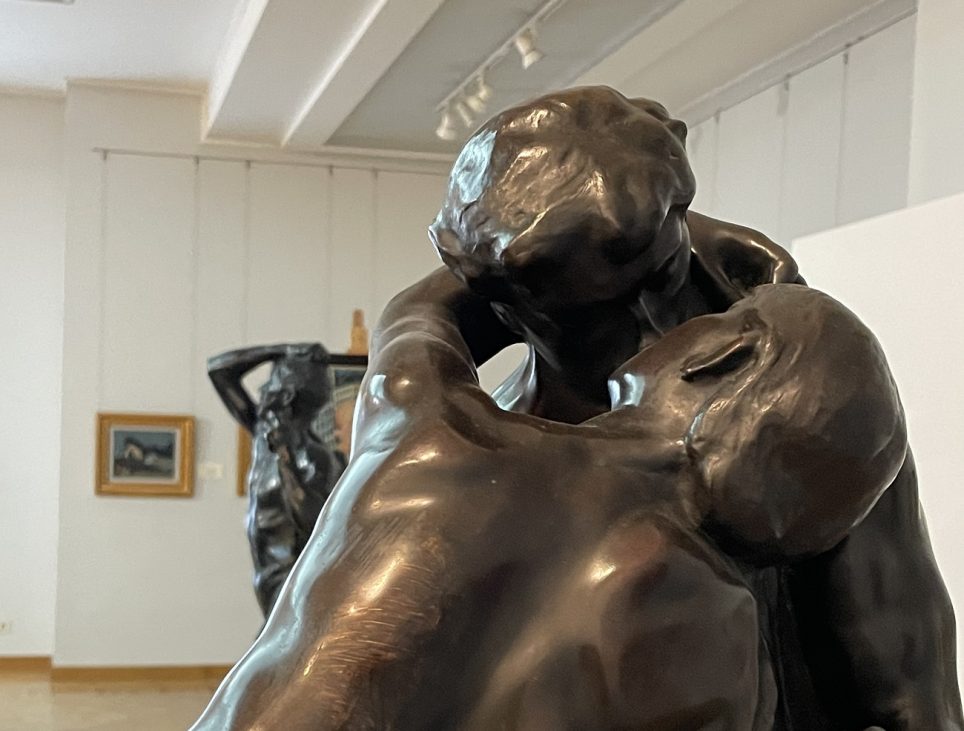
”The Bronze Age” sculpture, which entered the Royal Family Collection early last century, is based on a controversial original. Auguste Rodin (1840 - 1917) made several bronze versions, after struggling to sell the original in France. The work was exhibited