



Items Donated to the Textile Museum by The Met — Romanian Textile Heritage in Dialogue with Traditions from Around the World / Photo Gallery
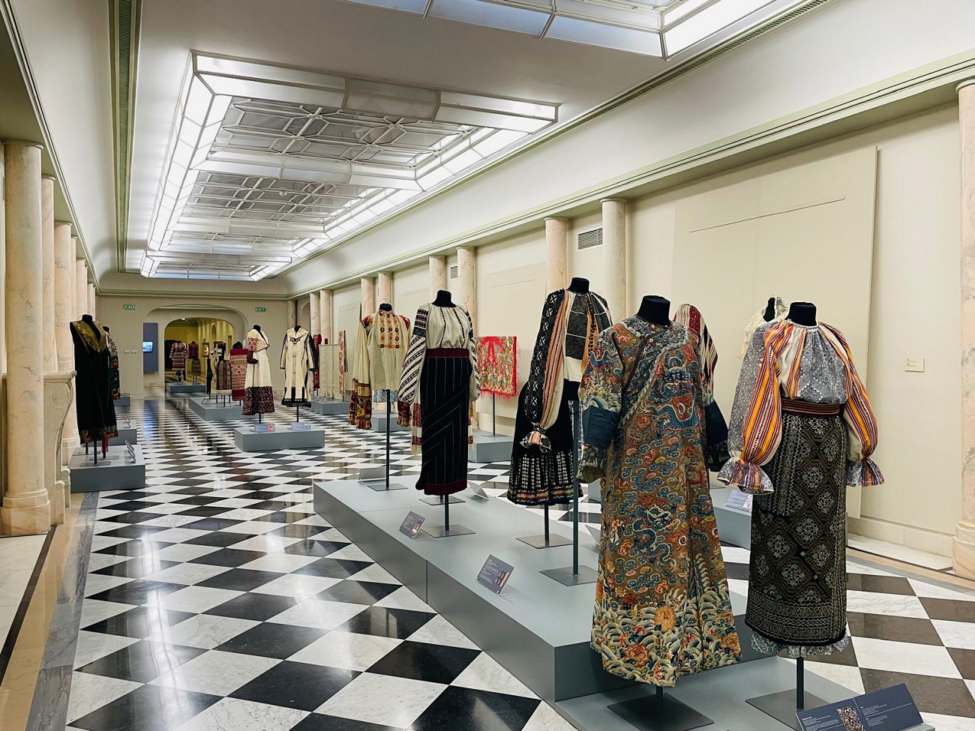
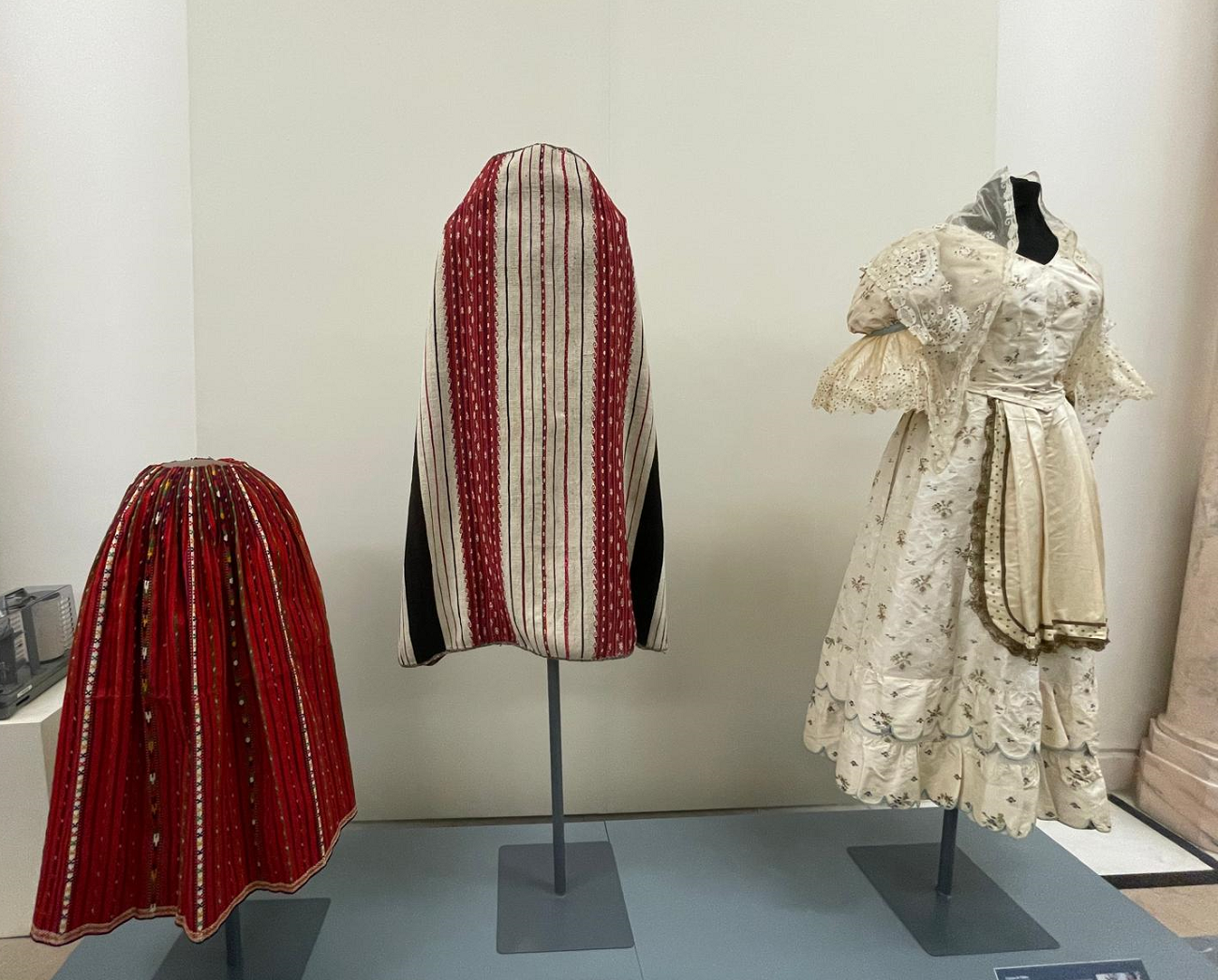
“Celebrating The Met—Highlights from The Metropolitan Museum of Art’s Donation to the Textile Museum” is on view at the National Museum of Art of Romania starting September 25. This is the first time since the opening of the Gallery of Oriental Art in the fall of 2024 that a temporary exhibition has been organized within its walls. It is an exhibition that allows the works to “breathe,” enabling visitors to stroll through the space and examine every fabric, every thread. The exhibition brings together 50 pieces of world heritage—costumes from all corners of the globe spanning the last two centuries.
The selection was made by Dr. Florica Zaharia, curator emerita at the Metropolitan Museum of Art in New York, where she worked for 28 years—13 of which she headed the Department of Textile Conservation—and founder of the Textile Museum, and by architect Teodor Frolu, who is overseeing the expansion of the museum in Băița, a project scheduled to open in 2029.
The museum, which houses the largest collection of comparative textile art and related objects in Eastern Europe, was founded in 2017 and contains more than 14,000 textile objects and tools used in traditional textile production, half of which are examples of Romanian textile art.
The museum’s collection is constantly expanding through new acquisitions and donations received from Romania and abroad. Among the most significant donations are: the Metropolitan Museum of Art, consisting of 1,871 artifacts, mostly costumes belonging to nearly 100 cultures from around the world (including Romanian pieces); the donation from the estate of Paul J. Smith, New York, consisting of 274 pieces produced by various cultures around the world; Rodica Ioana Ghilea, Romanian artifacts; and Midori Sato, Japanese, Indian, and American artifacts.
From Chinese robes to Philippine embroidery, and Native American moccasins
The exhibition at the MNAR also stands out because it is curated by an expert. All the pieces are carefully explained, and the curator will also lead several guided tours throughout the exhibition, which runs through January 31, 2027.
These objects, made either in specialized workshops or in rural households, also mark the 150th anniversary of the Met’s opening.
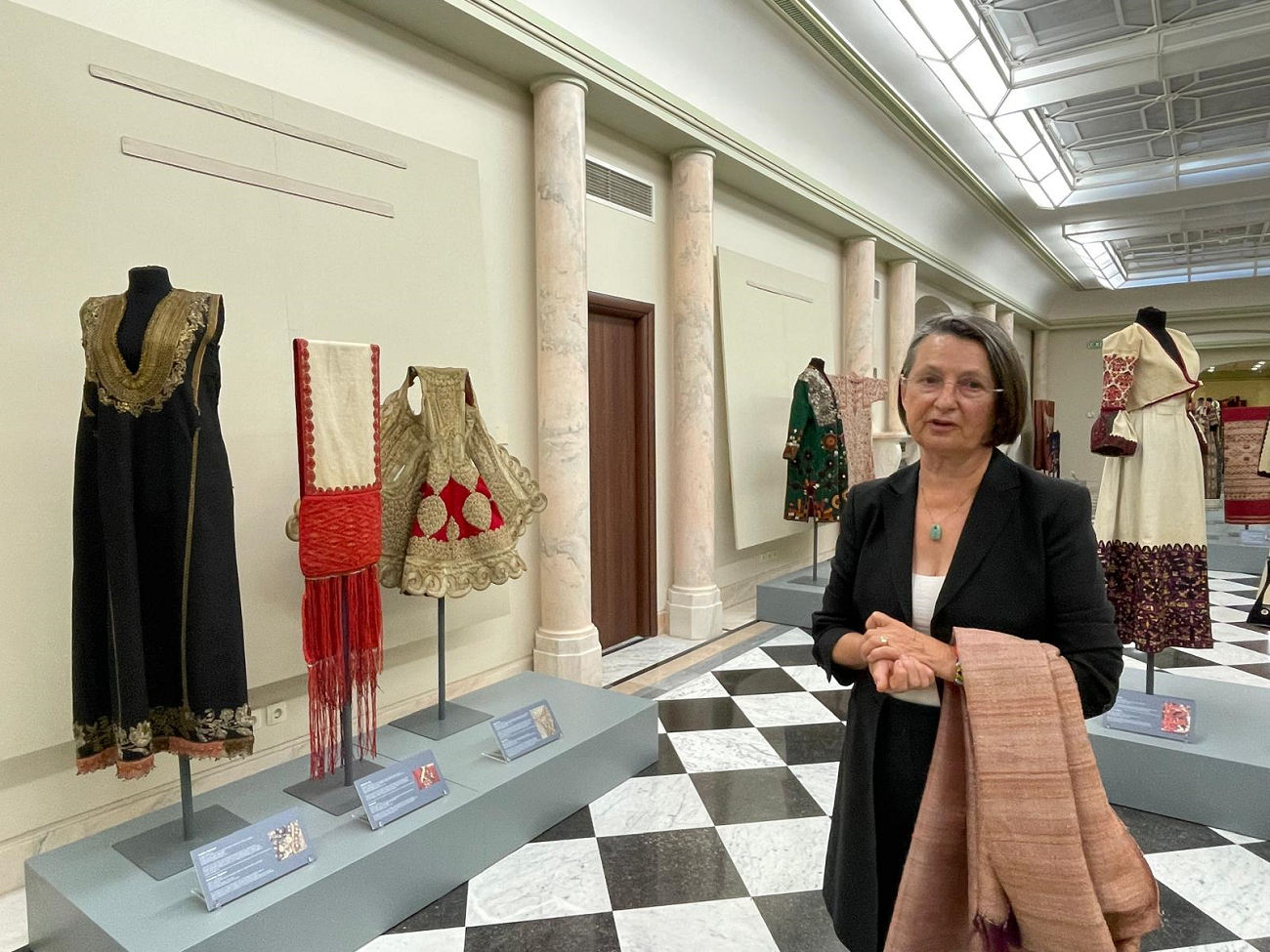
Florica Zaharia, curator
“If we don’t understand the process and the journey of the fiber, we don’t understand textiles. If we don’t pay attention, it means we’re missing out on a great deal,” says Florica Zaharia. One of her goals is for pieces from the collection of the museum she manages to be featured in temporary exhibitions—linked to a specific research theme—in various locations.
Currently, an exhibition in Bucharest features costumes, jewelry, and accessories from many cultures across Europe—including Romania—as well as from Asia, the Americas, and Africa.
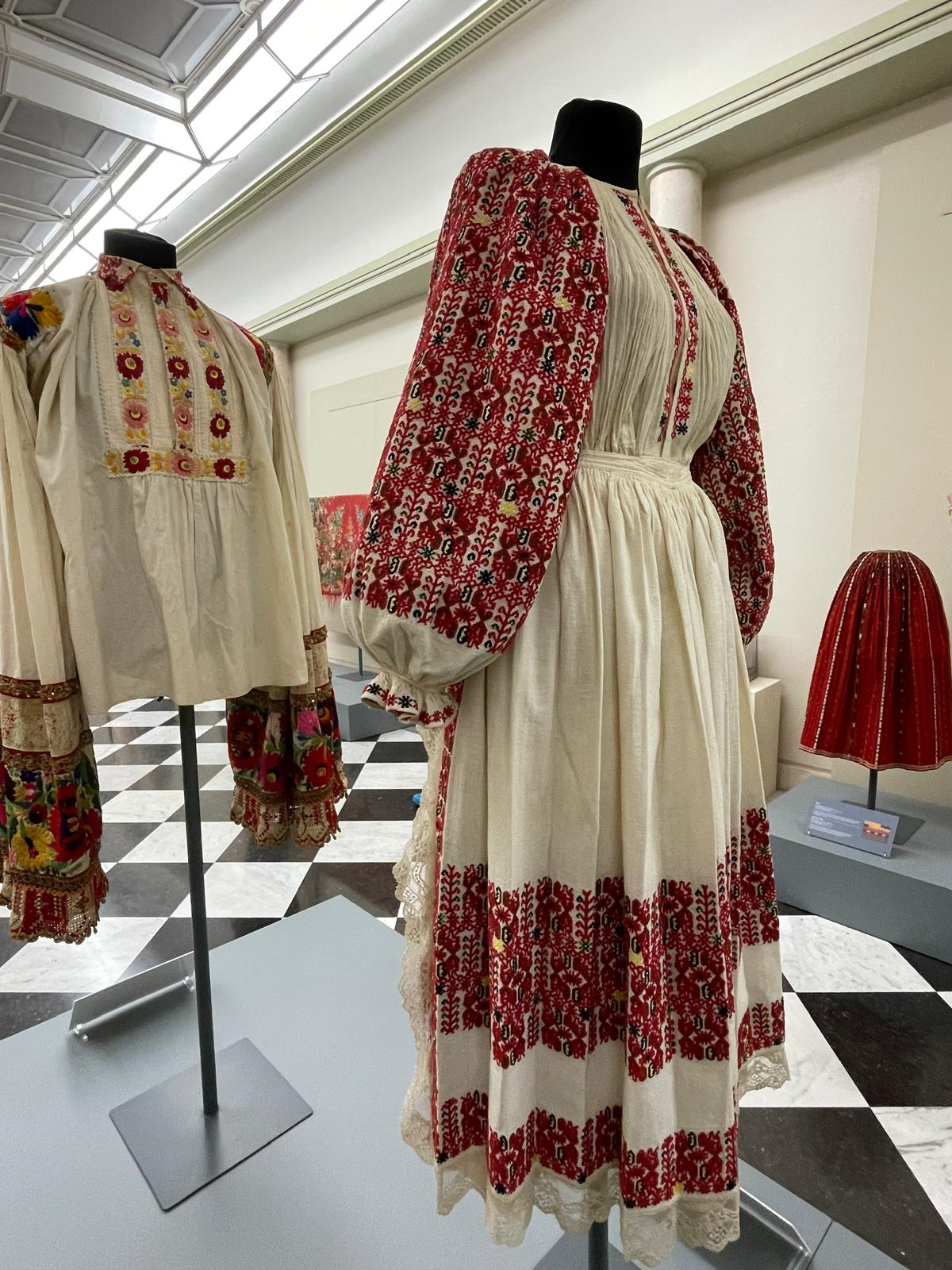
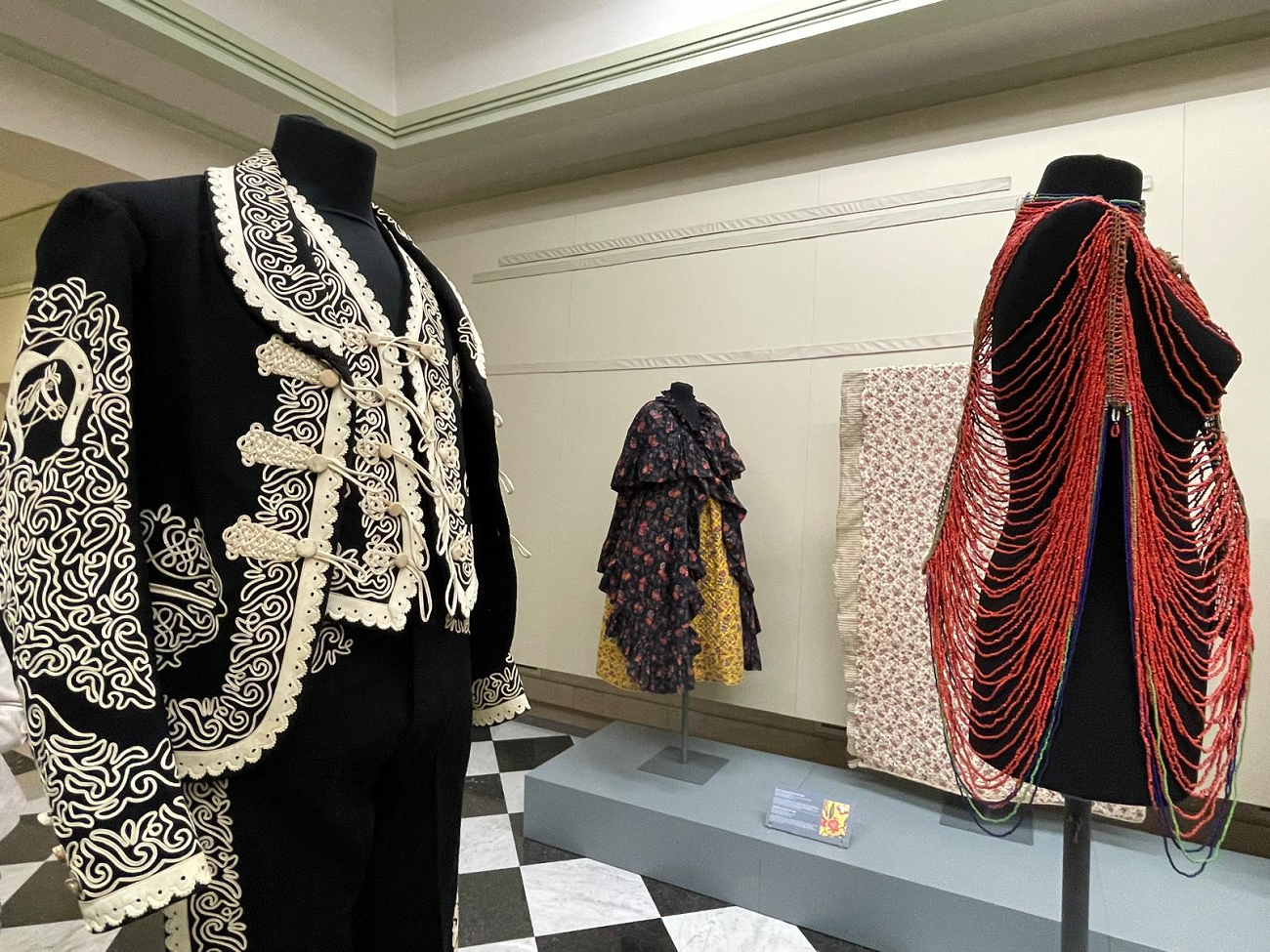
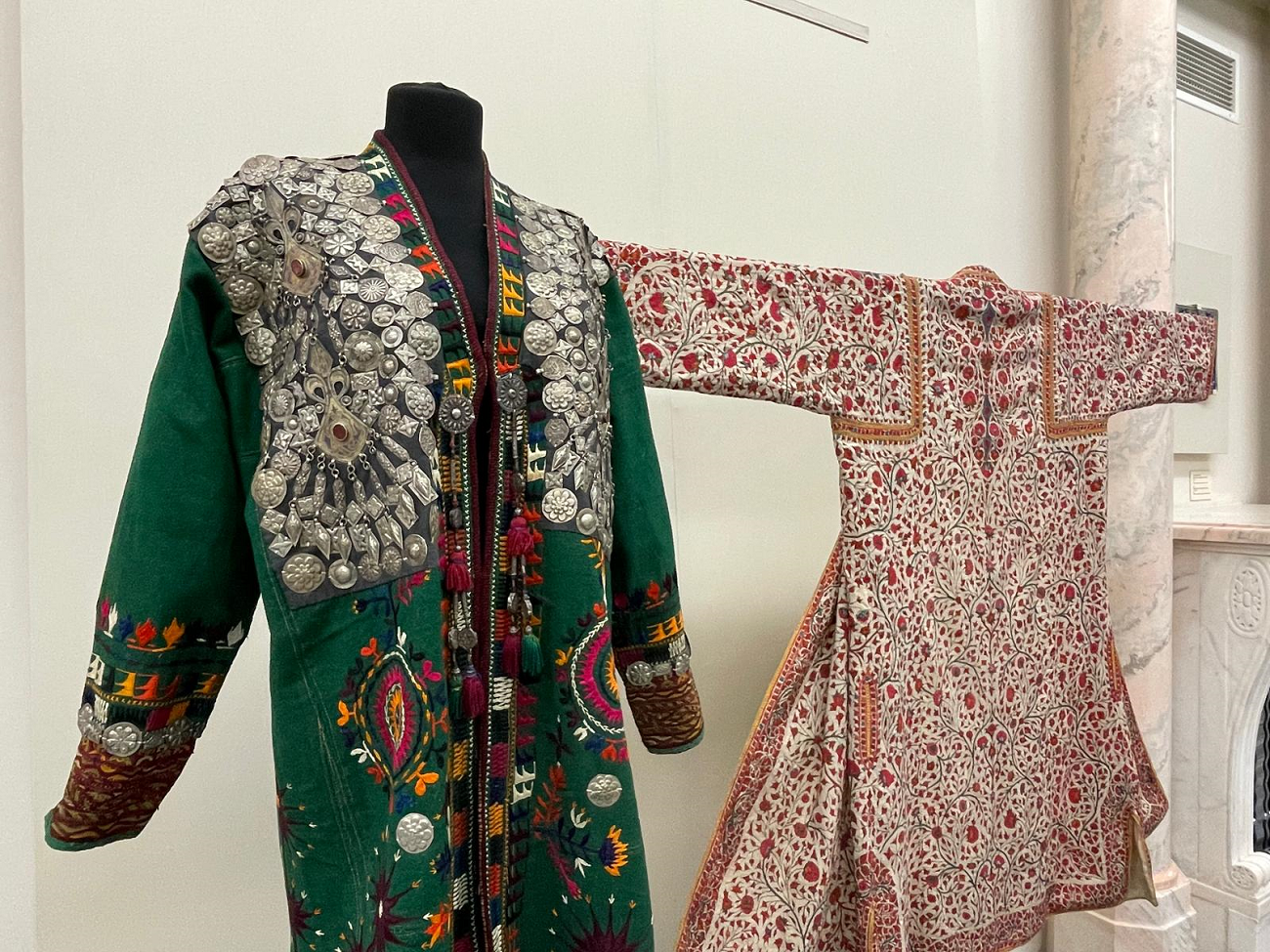
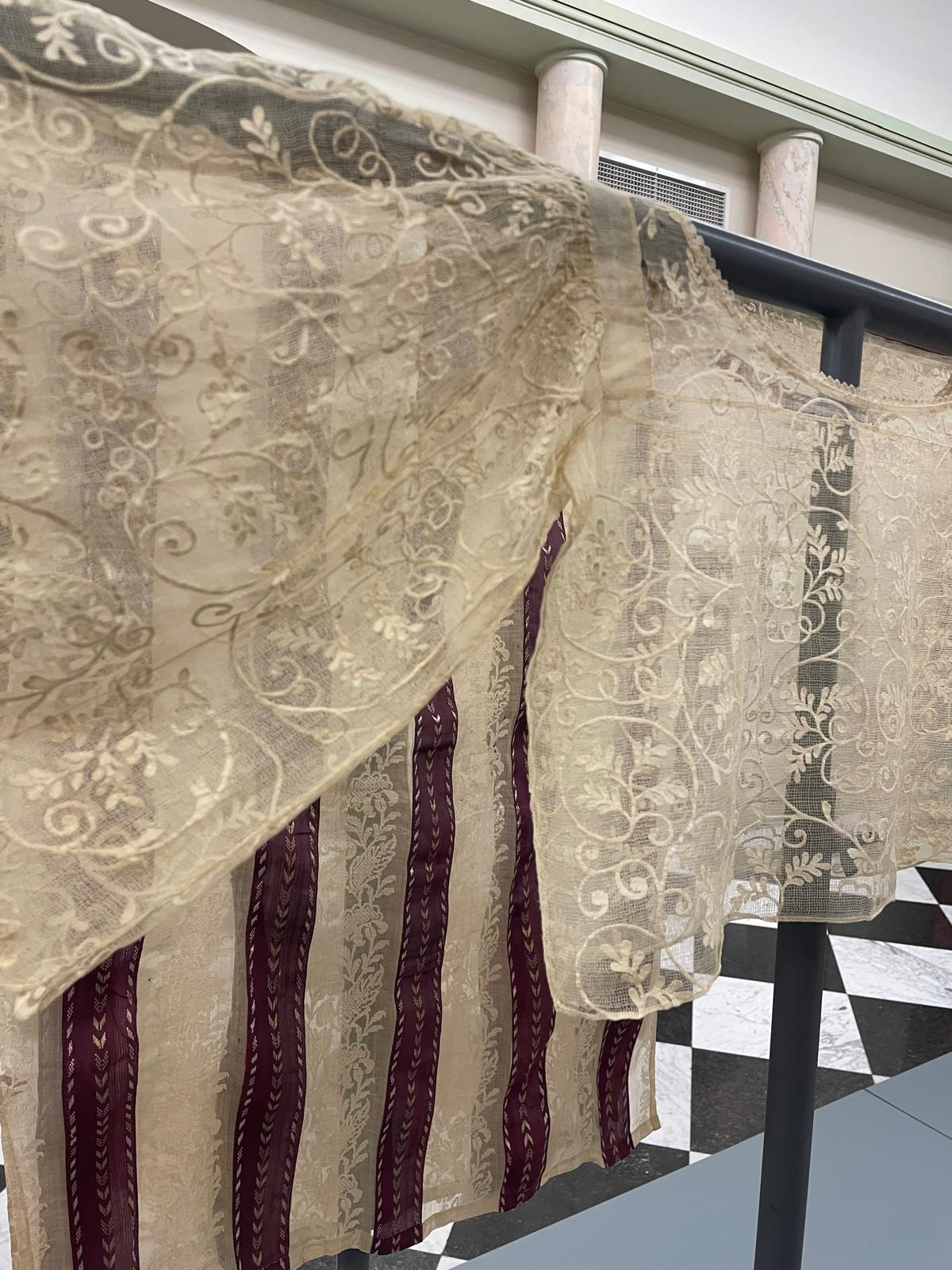
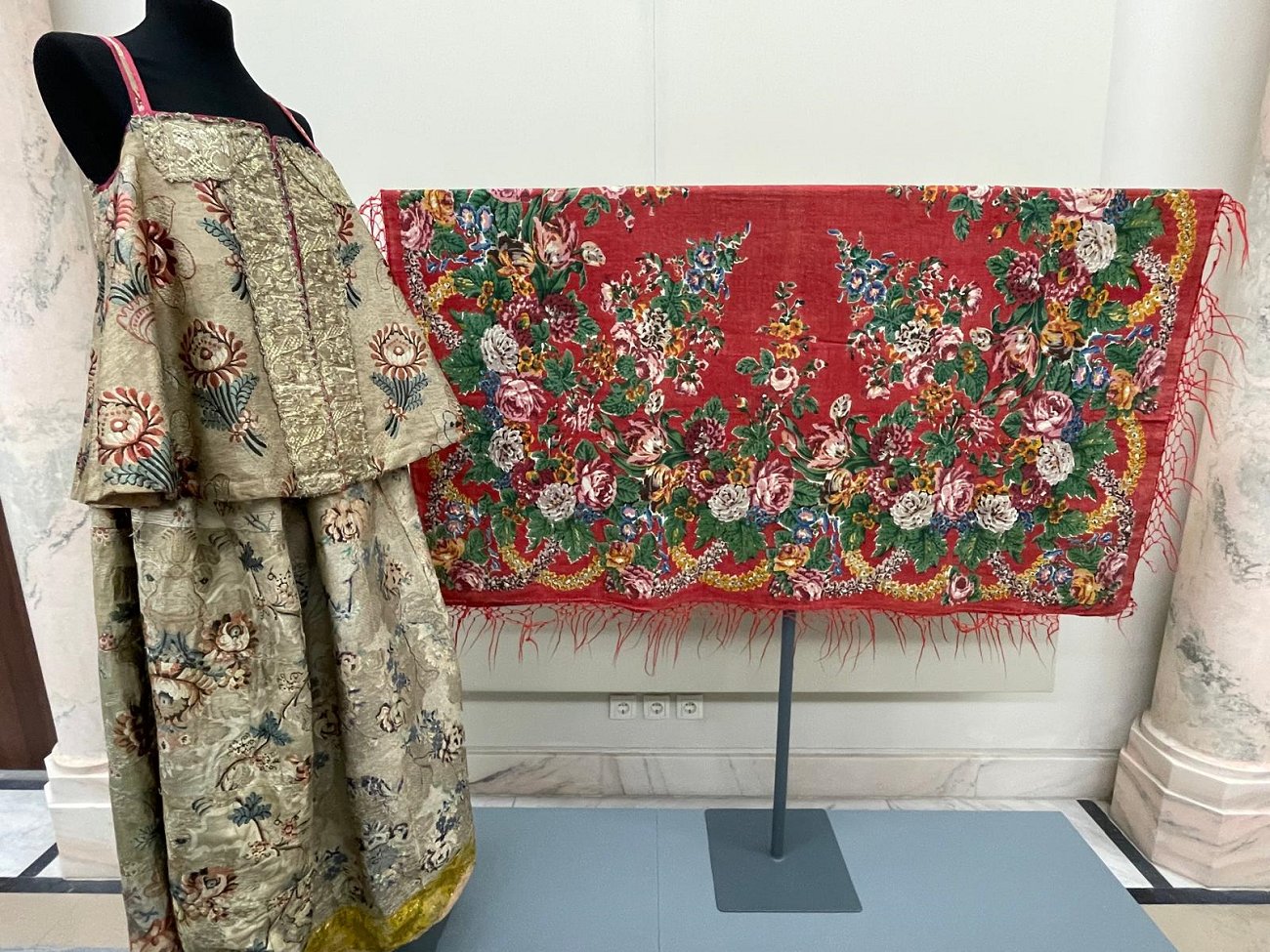
The oldest item is an 18th-century Chinese court robe, and most are from the 19th and early 20th centuries—ranging from fine embroidery from the Philippines to shirts from Bucovina, from elaborate garments from Turkmenistan and Russia to a mariachi costume, Maasai headdresses, and moccasins made by Native Americans.
The exhibition is organized by technique—embroidery, textiles, accessories, and objects created using alternative techniques. It also highlights how these techniques overlap in intricate pieces, some woven with pineapple, banana, metal, or wood fibers, while others feature tiny embroidered mirrors.
The exhibition “Celebrating The Met—Highlights from The Metropolitan Museum of Art’s Donation to the Textile Museum,” part of the cultural project “Textile Museum—It All Comes Together,” can be viewed on the 3rd floor, the MNAR’s Gallery of Oriental Art, Wednesday through Friday from 10:00 a.m. to 6:00 p.m., and Saturday and Sunday from 11:00 a.m. to 7:00 p.m.
curatorial
curatorial
curatorial
curatorial
curatorial
curatorial