



“The ‘Canon’ of Romanian Art Since the 1960s,” in an Exceptional Exhibition / Photo Gallery
The most important private collection of Romanian art from the period 1970–1990 is the one assembled by Dr. Sorin Costina, a friend of the artists Horia Bernea, Ștefan Bertalan, Paul Gherasim, Silvia Radu, Vasile Gorduz, Ion Grigorescu, Florin Mitroi, Ioana Bătrânu, Paul Neagu, Florin Niculiu, Georgeta Năpăruș, Ion Dumitriu, Constantin Flondor, and Sorin Dumitrescu—whose works are on display in two galleries of the National Museum of Art of Romania.
The exhibition, featuring exceptional works and titled“On Duty: The Dr. Sorin Costina Collection,”opened on September 29.
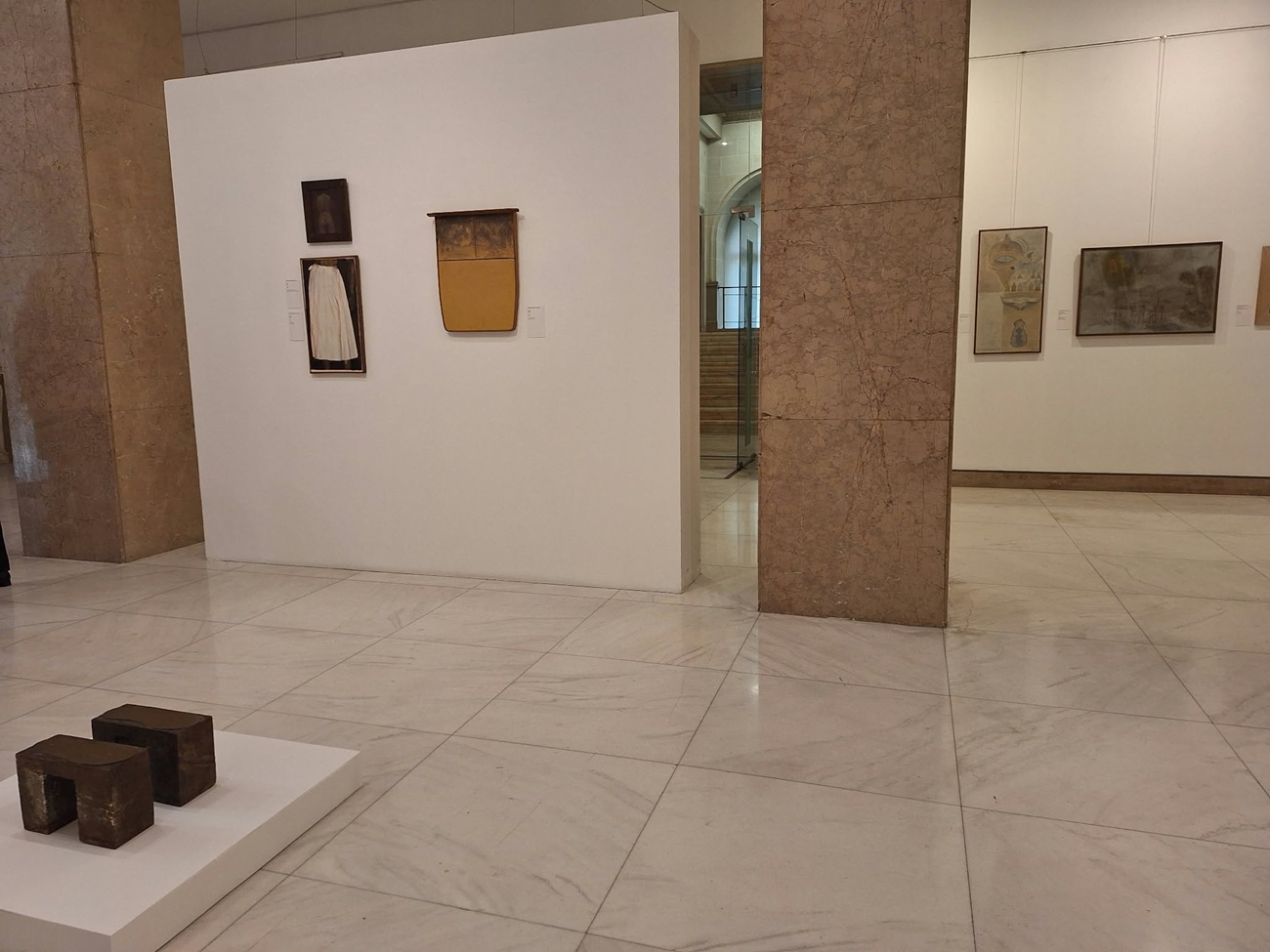
“Traces of Gold,” Wood, and Metal by Doru Covrig, at the Kretzulescu Halls; curated by
Conceived as a dual exhibition held in two different buildings of the MNAR—the Kretzulescu Halls of the MNAR and the Museum of Art Collections—the exhibition is coordinated by Alina Petrescu, head of the Modern Romanian Art Department, and by Liliana Chiriac, Head of the Museum of Art Collections, and is curated by Erwin Kessler.
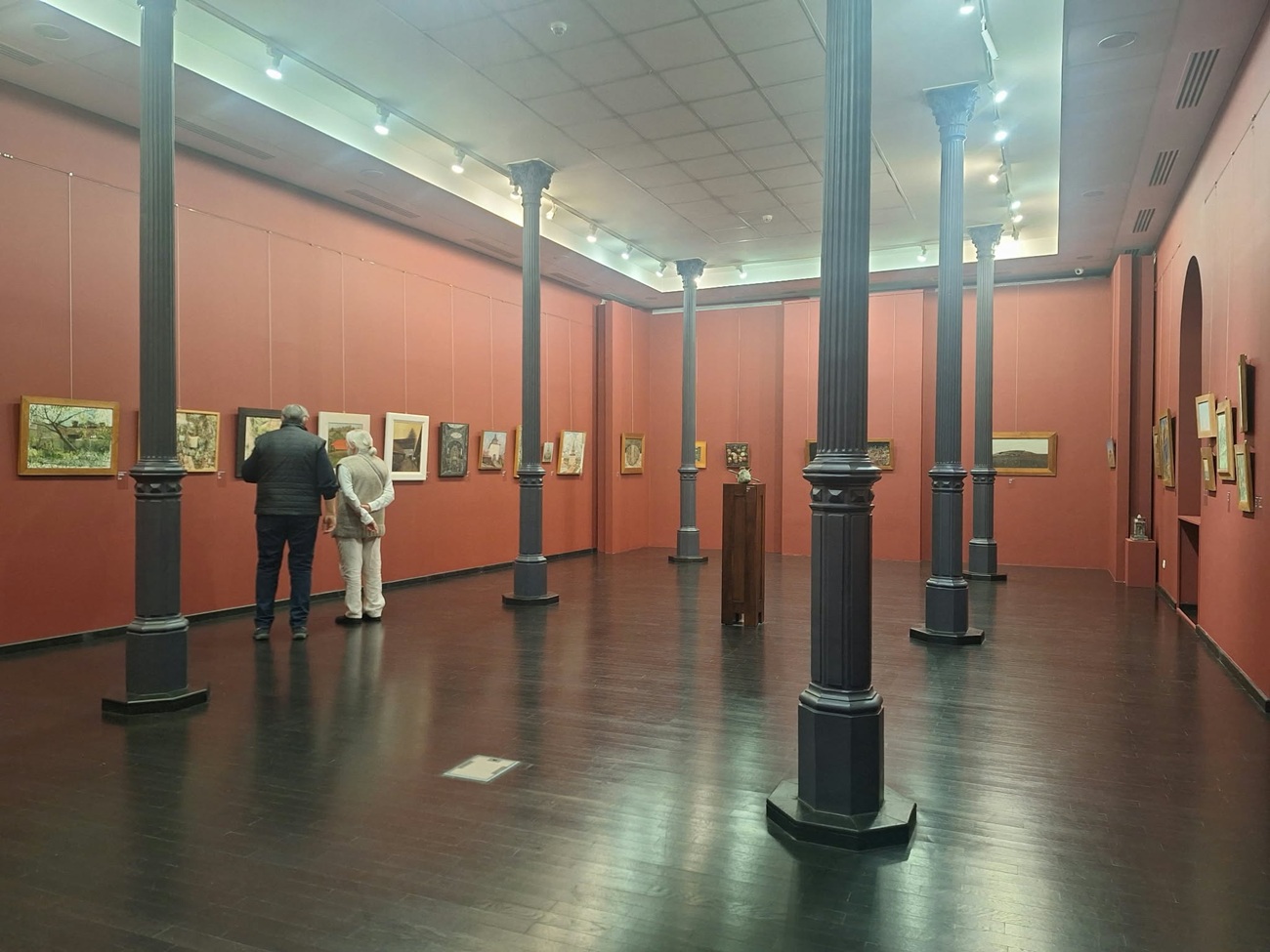
Photo: A scene from the exhibition “On Guard: The Dr. Sorin Costina Collection” at the Museum of Art Collections; curated by
Bringing together 200 of the most significant works from Dr. Sorin Costina’s collection, out of approximately 1,000 paintings, drawings, sculptures, and ceramic pieces, the dual exhibition at the MNAR presents to the public the “canon” of Romanian art from the 1960s onward.
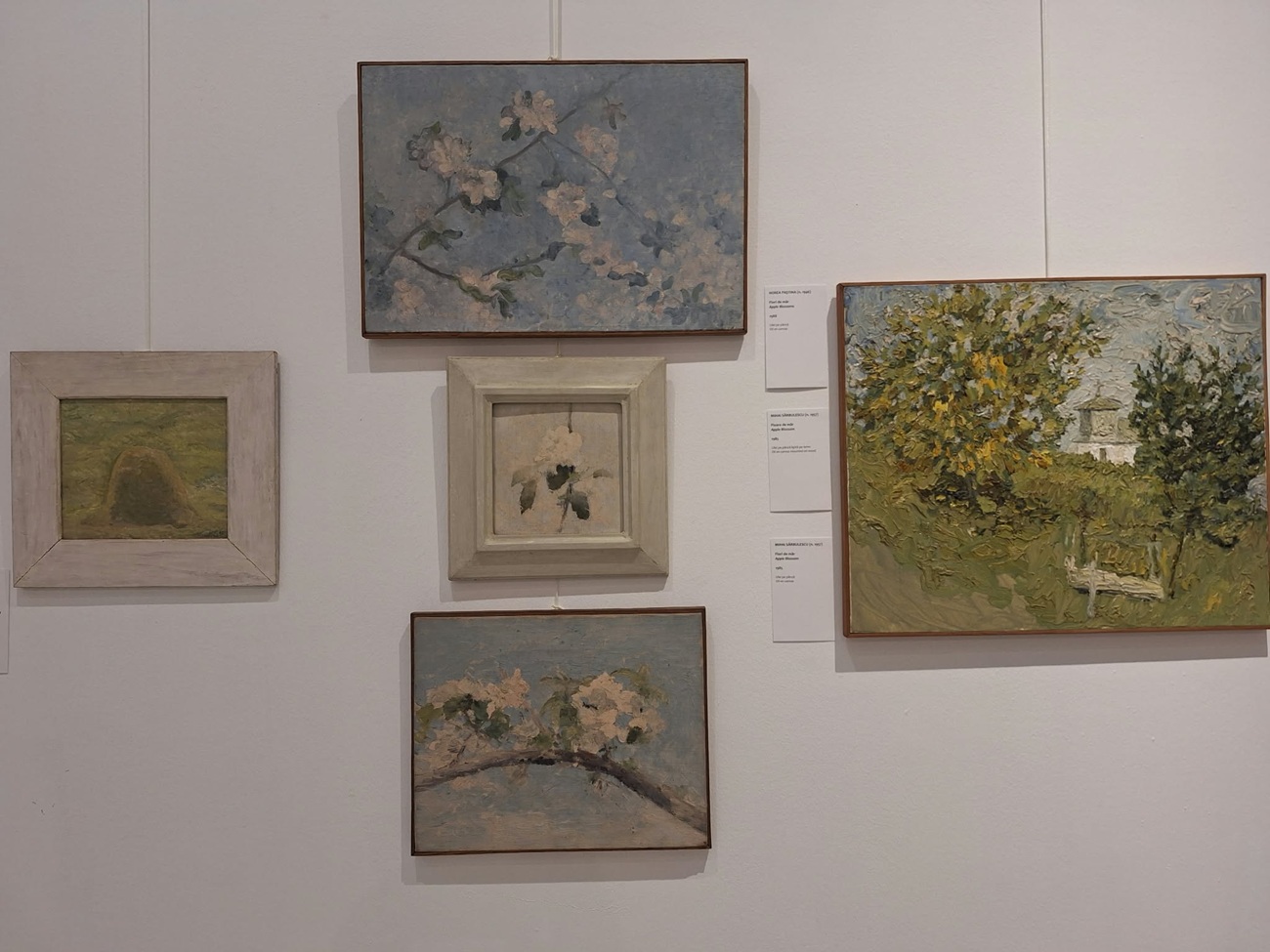
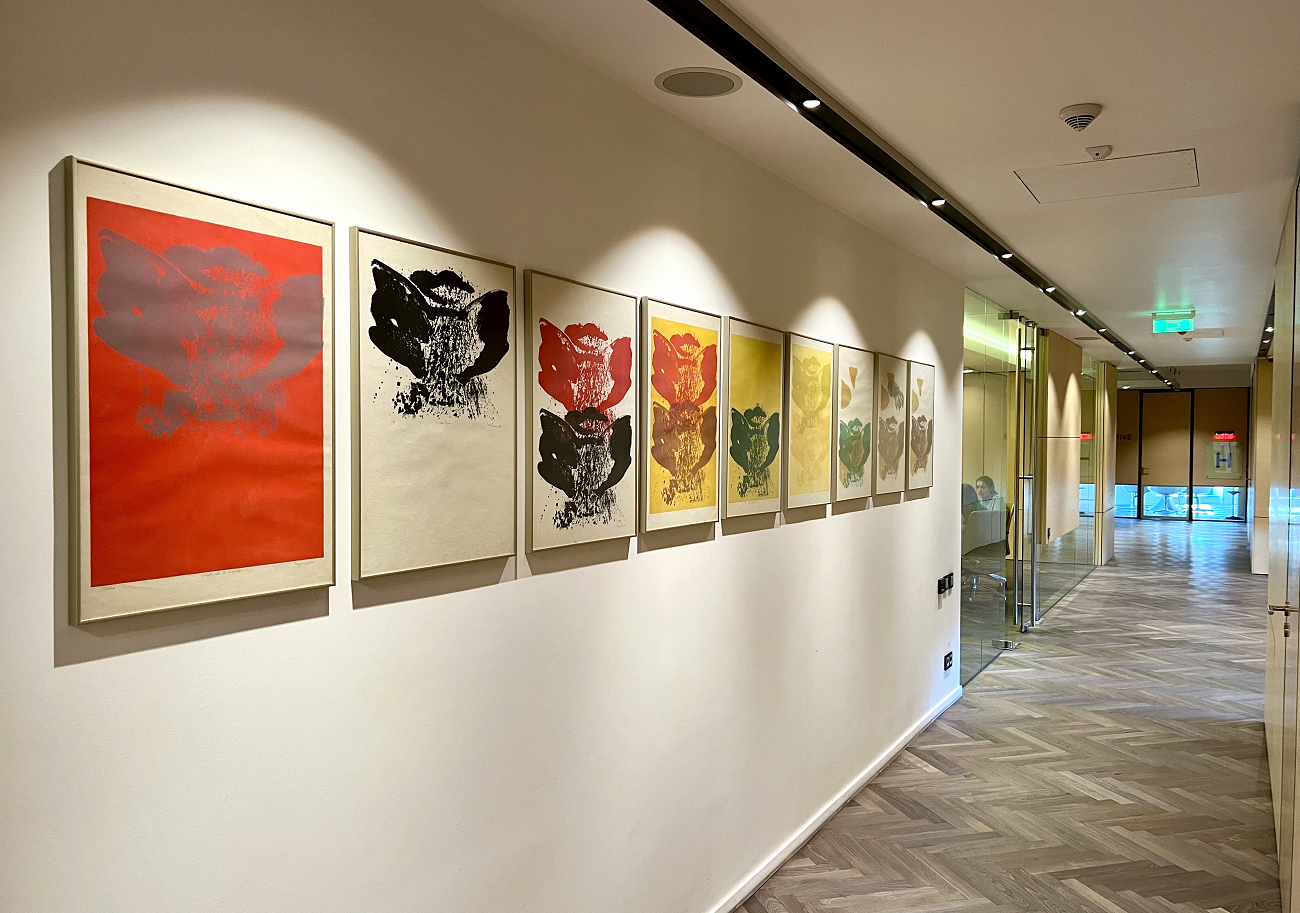
Photo: “Apple Blossoms,” 1988, by Horea Paștina, and “Apple Blossom,” 1985, by Mihai Sârbulescu, at the Kretzulescu Galleries; curated by
“Sorin Costina was not only a friend of the artists, but also a disciple. It wasn’t just that he chose never to collect works by Nicolae Grigorescu. He was a doctor, with more or less money—he probably never had to worry about money keeping him from buying art. But he didn’t put his savings in a safe box, as so few collectors of modern art or established art—so to speak—did. There were, however, very few collectors of unestablished art. And there was also this, as I was saying, this aspect of mentorship. Costina dedicated her professional life to the town of Brad. He was the doctor in Brad. And he dedicated his other life—his inner life—to art,” said Erwin Kessler, director of the MNAR, at the opening.
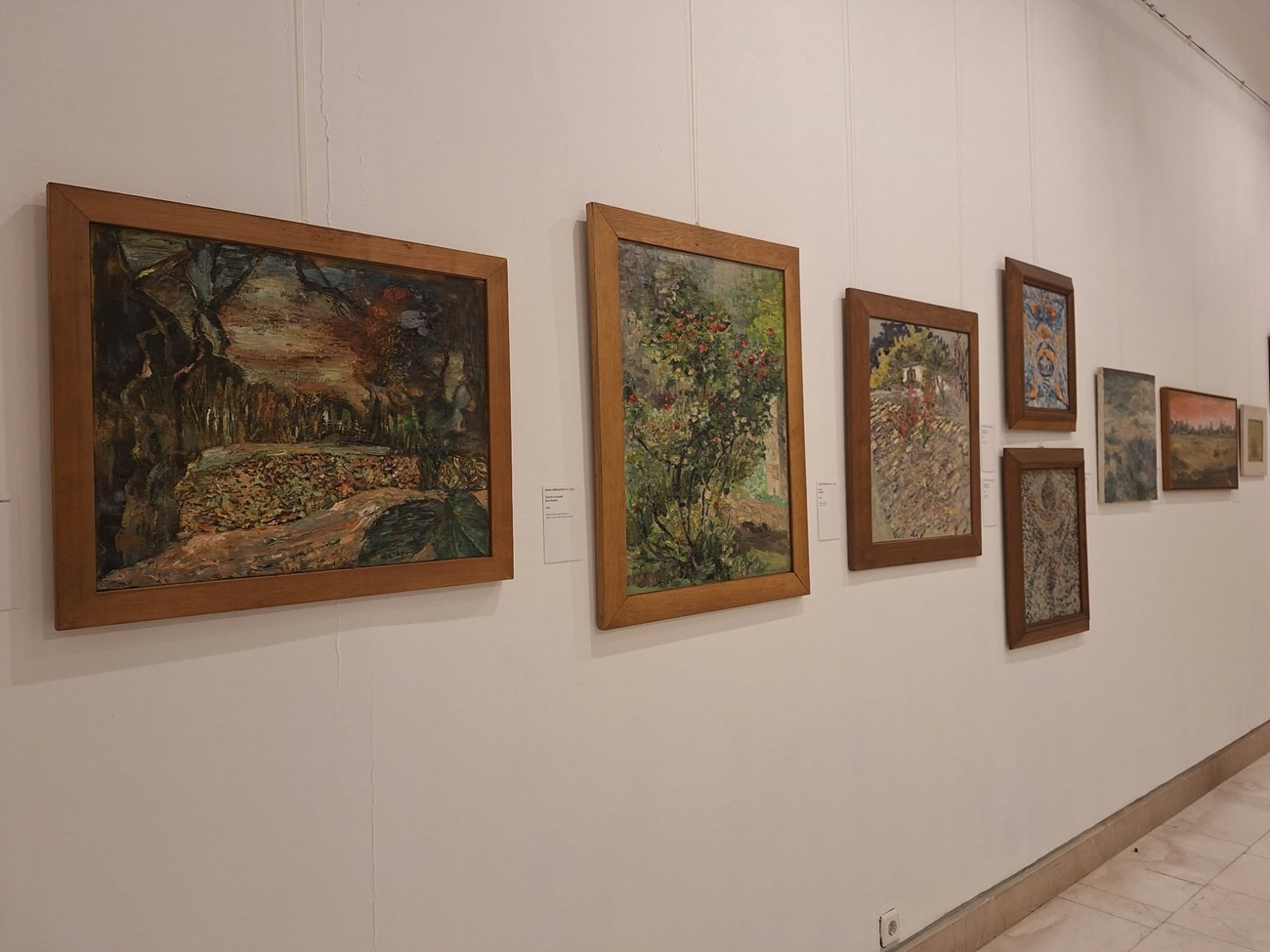
Photo: Works by Mihai Sârbulescu, in the Kretzulescu Galleries; curated by
Established in Brad, Hunedoara County, but featuring prominent artists from Bucharest and across the country, Dr. Sorin Costina’s Collection reflects a certain aspect of the Romanian art scene during the communist regime, namely the artistic hierarchy familiar to everyone at the time—though never explicitly articulated by anyone —always present in the background of the cultural world, dominated by official art, which Dr. Sorin Costina consistently avoided.
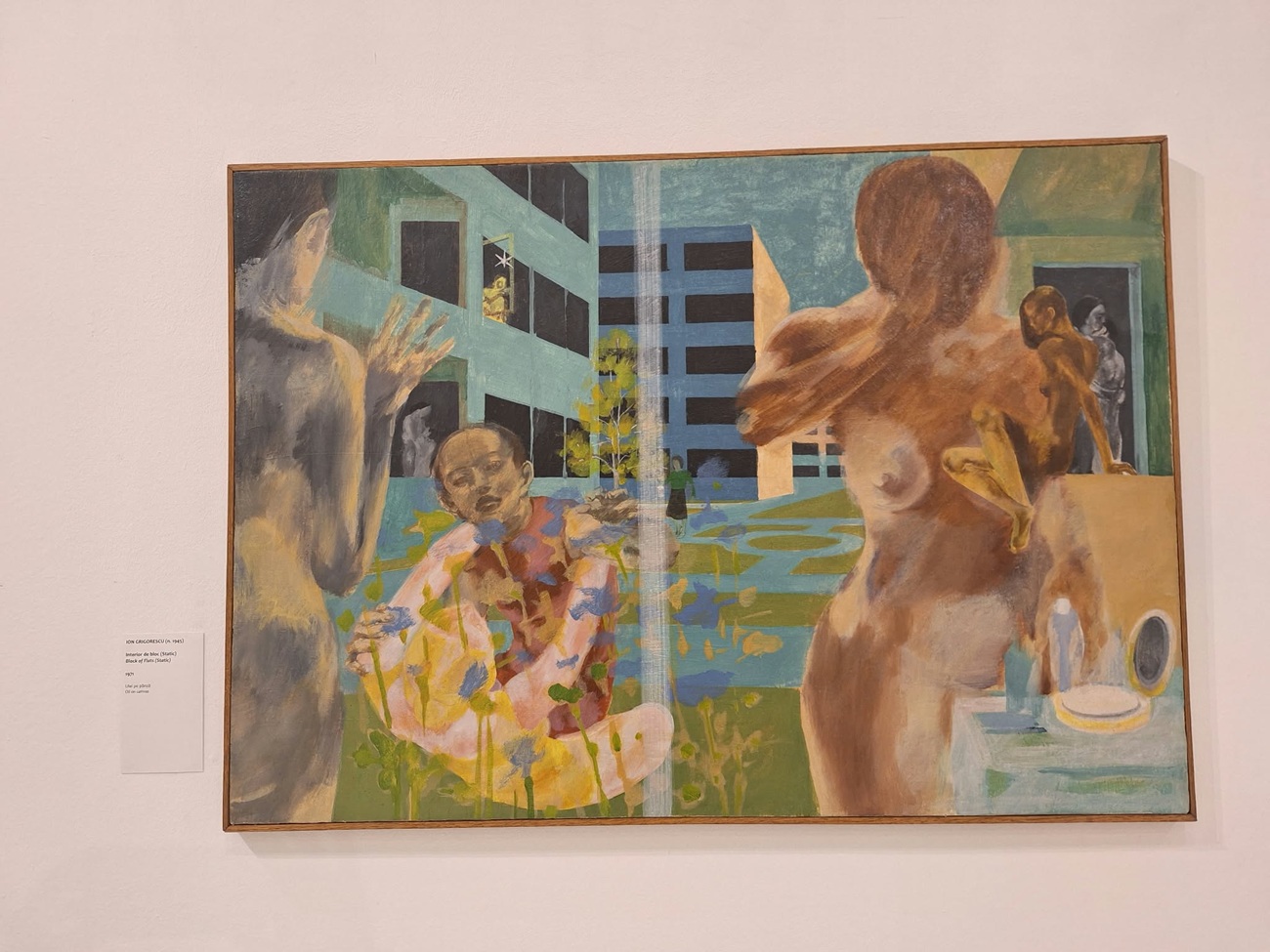
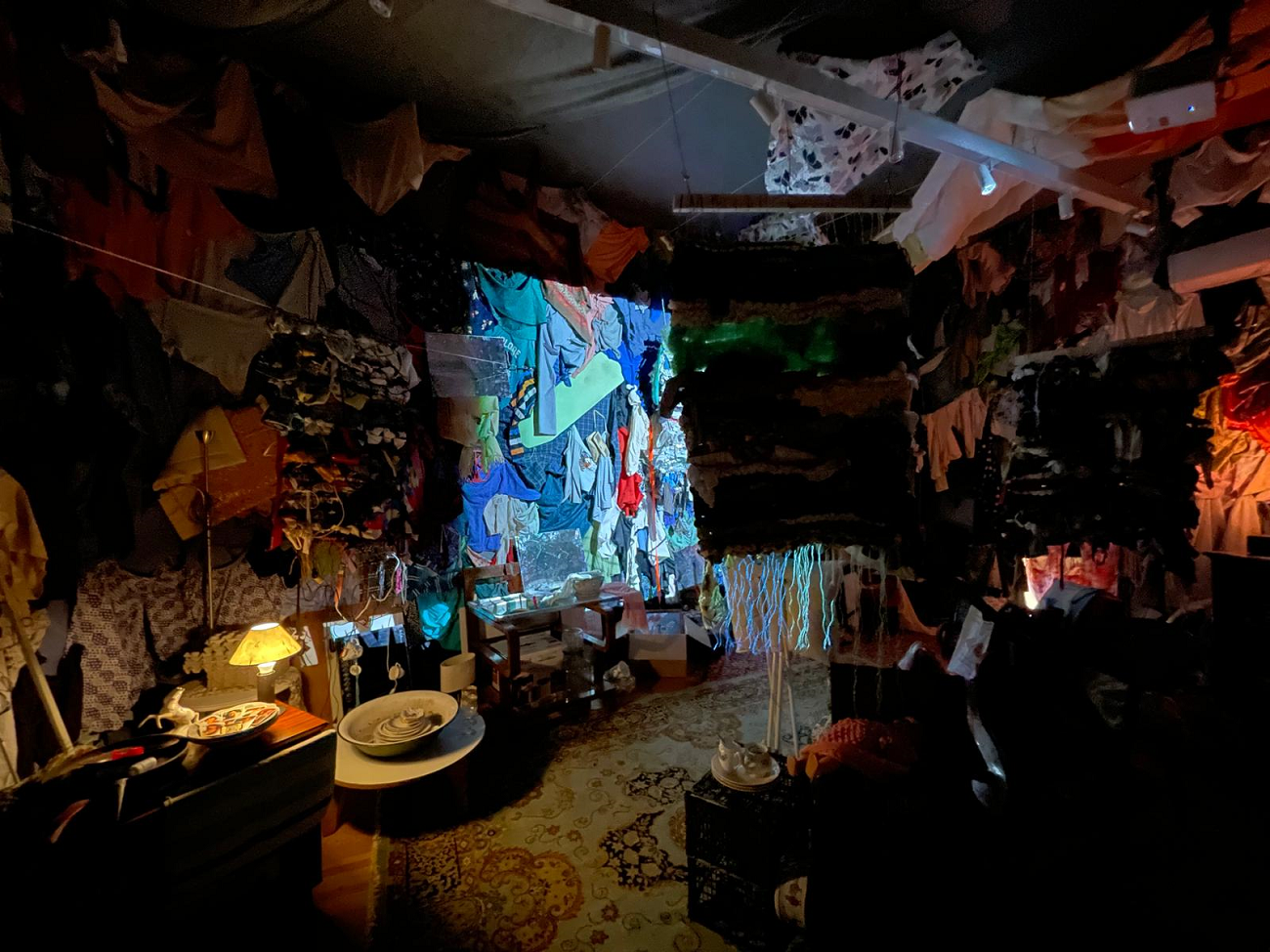
Photo: “Interior of an Apartment Building (Static), 1971, Ion Grigorescu, Kretzulescu Galleries; curated by
A disciple who became a scholar
“From the artists, Sorin Costina learned, first and foremost, to view art, not to buy it. And he learned the art of waiting. You’ll see in many of the documents how he waited to receive the artwork. The works were promised. He was promised that a work would be created for him. It was a kind of initiation (…). For this reason, his exhibition—which we have now organized using part of the collection, a small selection of fewer than 200 works out of over 1,000—is an exhibition that reflects his relationship with artists. We put it together by, in turn, forging connections among the artists. We are convinced that in this way, the ideal of any collection is to remain whole, complete, and to stand as a monument“, a milestone in the history of the nation where that collector essentially left his mark,” Kessler added.
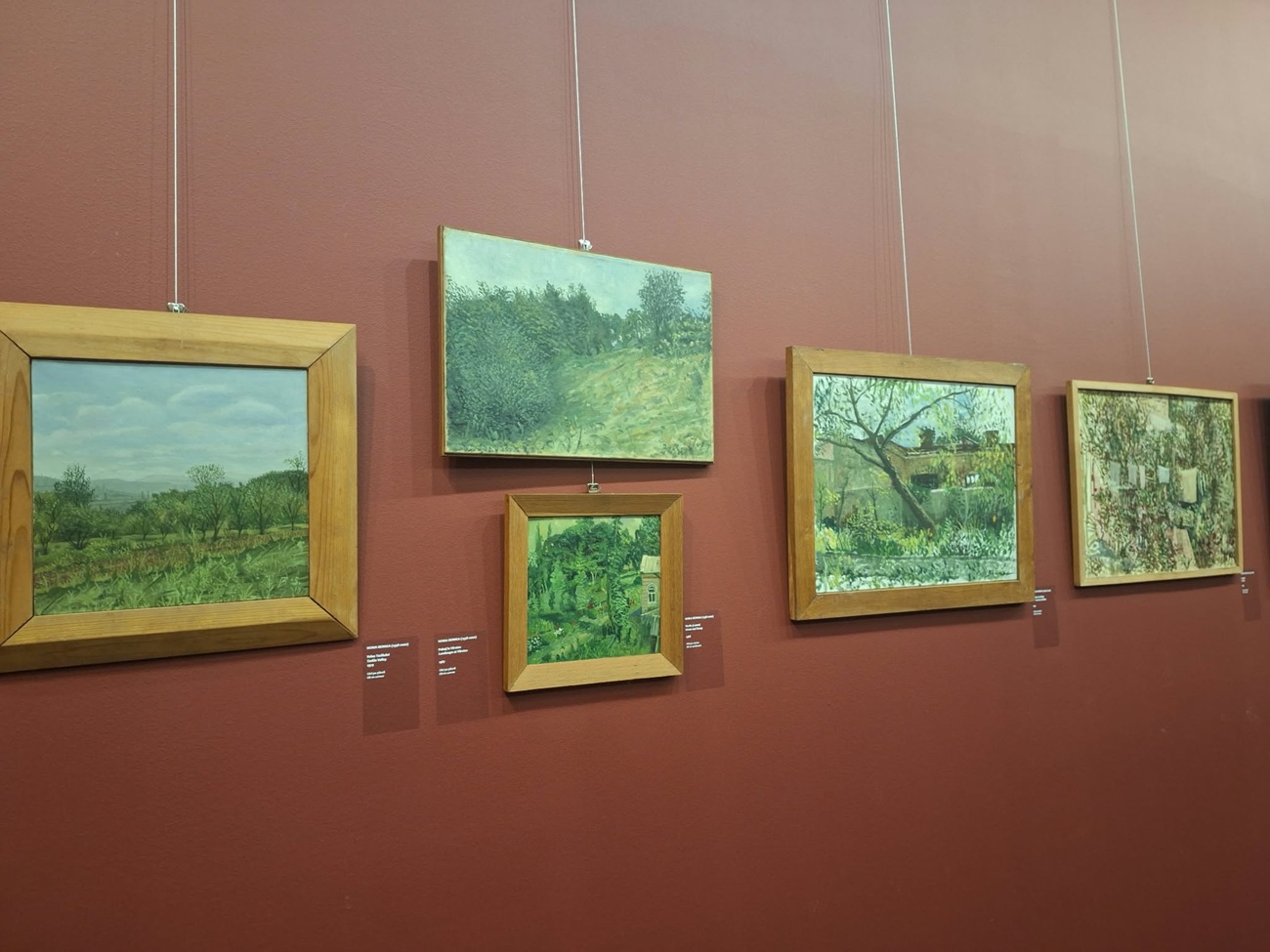
Photo: “Valea Tazlăului,” 1979, and “Landscape at Văratec,” 1987, by Horia Bernea, at the Museum of Art Collections; curated by
What makes this collection unique is that it was curated by the artists of that very canon themselves. The Sorin Costina Collection is, in fact, a collection of Romanian art from that era as it represented itself; it is the canon constructed through the collector-disciple by the chosen artists, the protagonists and architects of their own cultural, aesthetic, and spiritual paradigm.
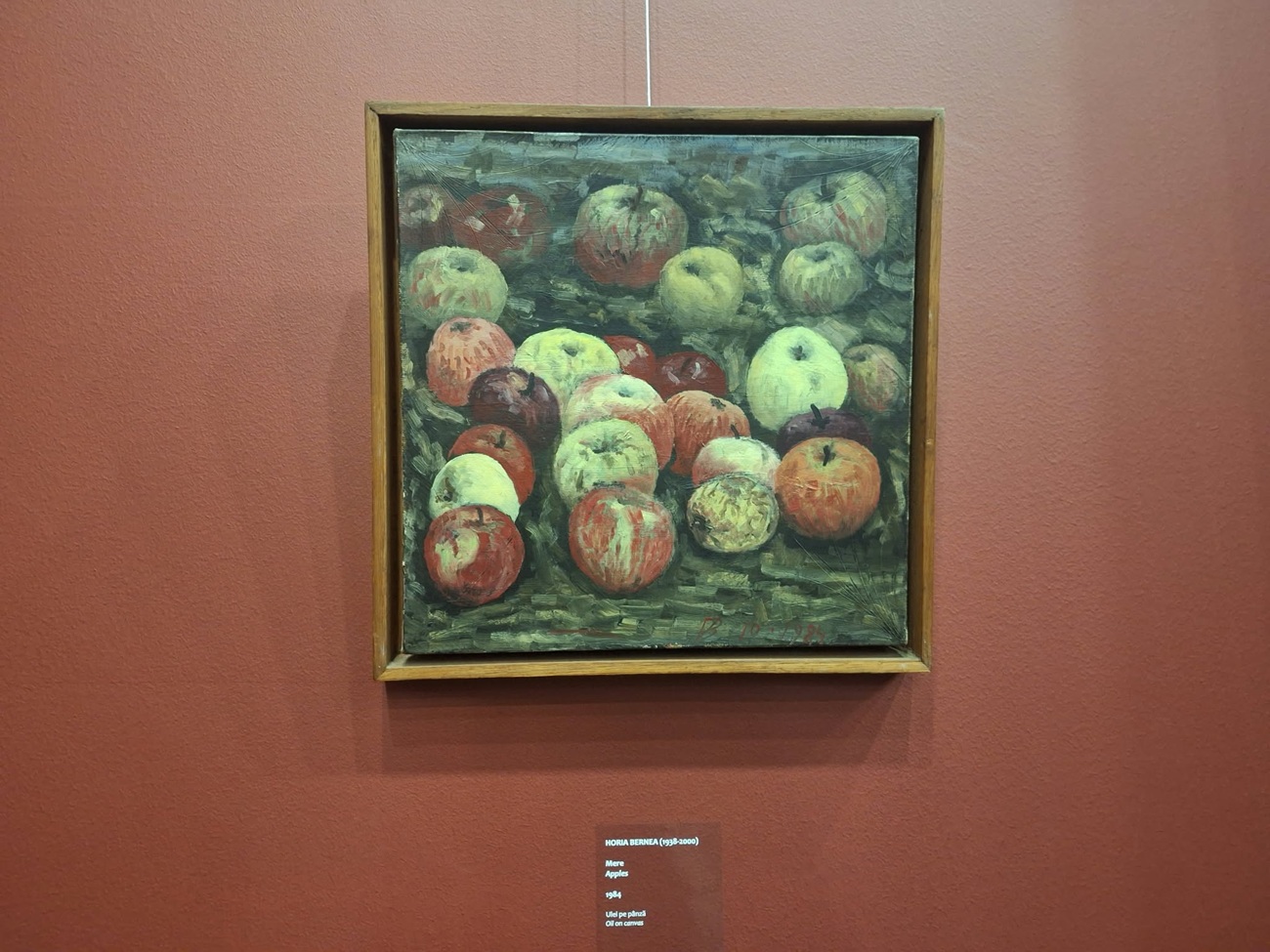
Photo: “Apples,” 1984, Horia Bernea, at the Museum of Art Collections; curatorial
The exhibition thus offers not only an overview of this canon, but also a lucid, critical examination of the beliefs, aspirations, practices, clichés, and stylistic and ideological hybridizations that shaped Romanian art during the most critical period of communism.
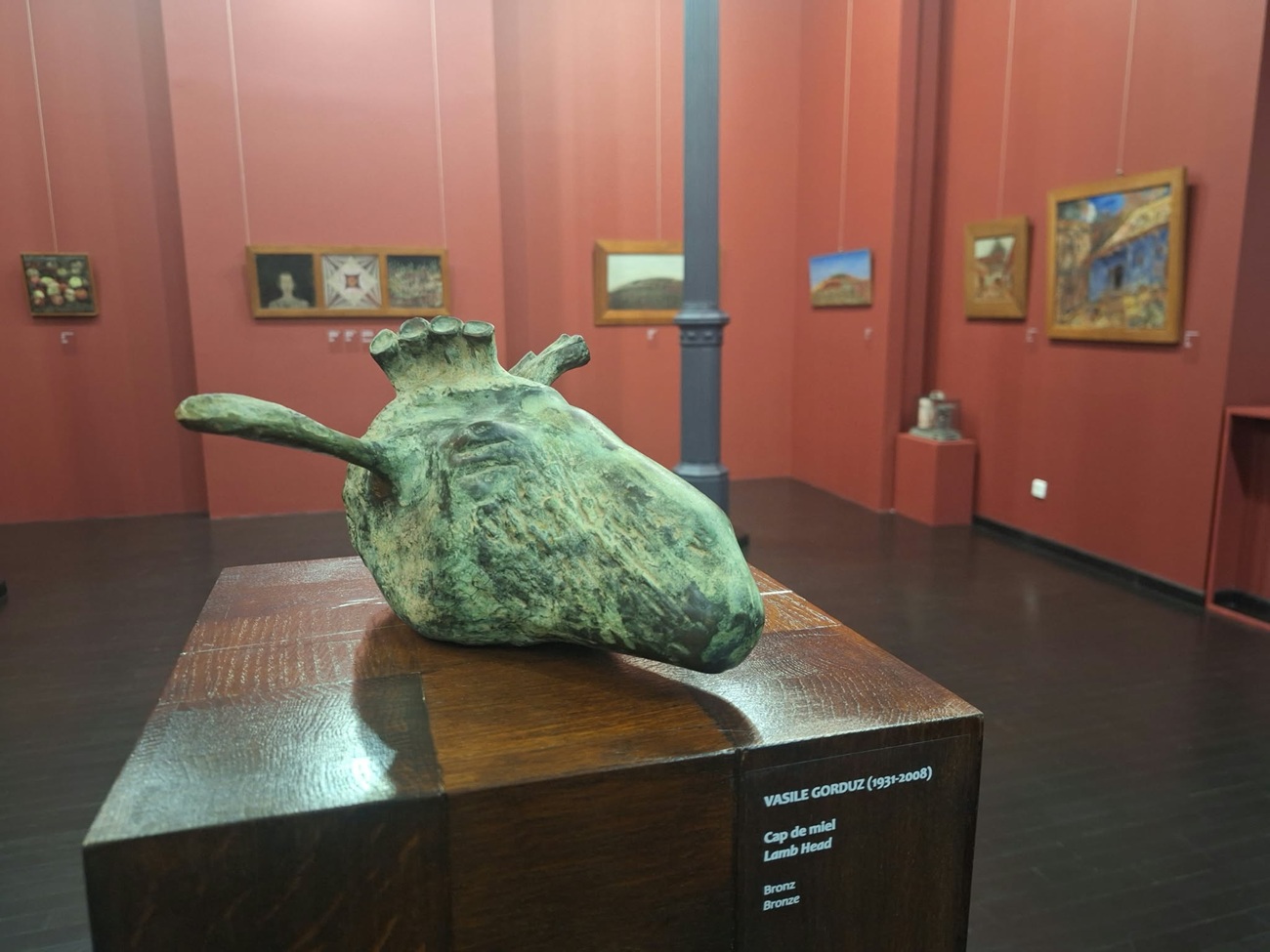
Photo: “Lamb’s Head,” by Vasile Gorduz, at the Museum of Art Collections; curatorial
“During that period, Dr. Costina managed to create beauty out of almost nothing. And he did this solely with the unstinting support of his friends—his artist friends—whose disciple he was with a dedication I have rarely encountered. And in this way, he gradually evolved from a disciple into a master. Over a fairly long period of time, Mr. Costina became the living encyclopedia of this art form. He became an expert. “And I believe he did not do this either because he had nothing else to do or out of arrogance,” emphasized the director of the MNAR.
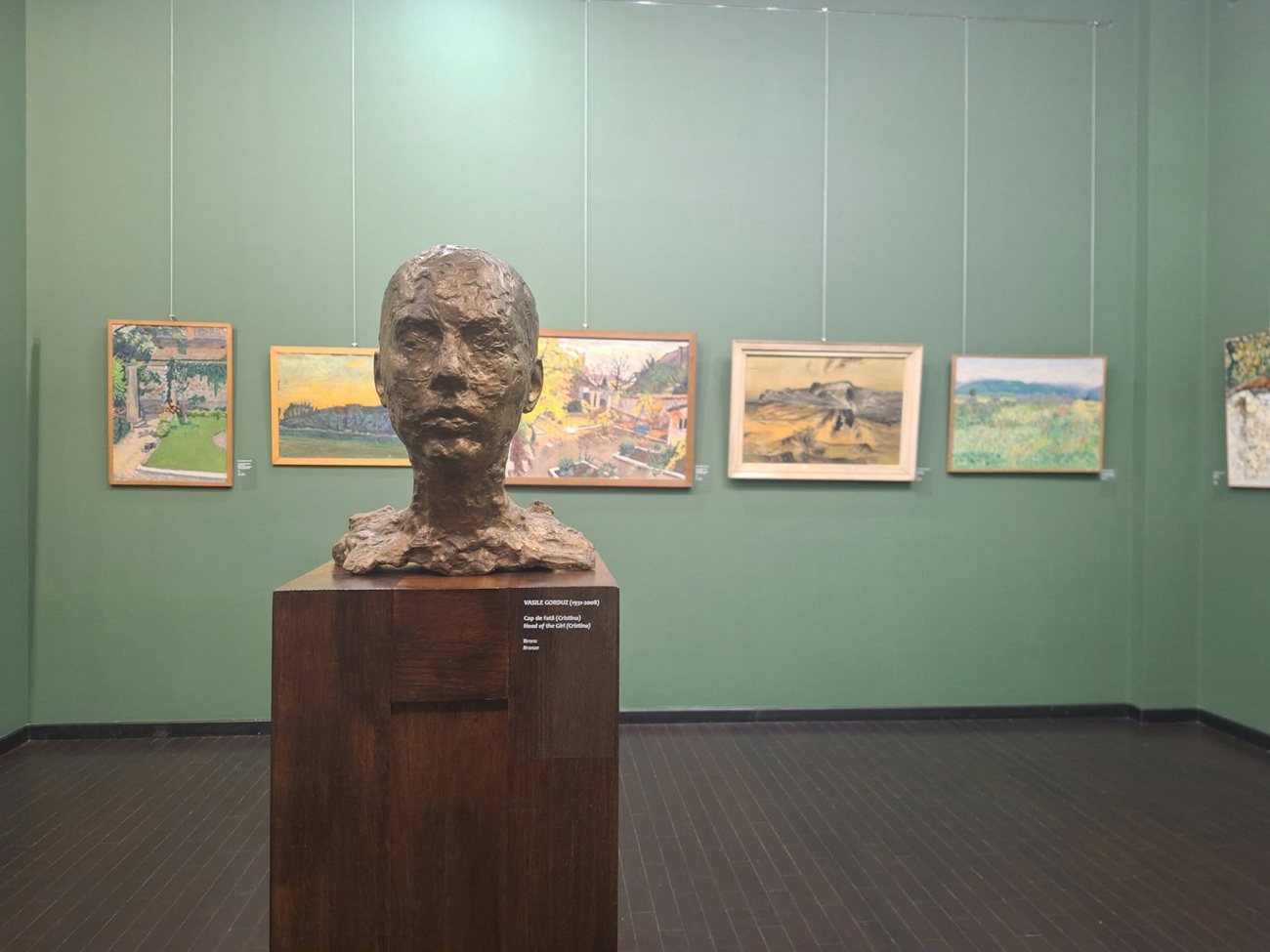
Photo: “Girl’s Head,” by Vasile Gorduz, at the Museum of Art Collections; curatorial
“The main body of the Costina Collection is divided into a section devoted primarily to experimentation, study, laboratory work, and neo-avant-garde artistic research (in the Kretzulescu Galleries of the MNAR) and a broad panorama of the artistic mastery with which the artists of that era sought refuge in spirituality, aestheticism, emotion, and (self-)irony (in the halls of the Museum of Art Collections), in order to cope with a regime that distorted beauty and restricted expression, freedom, and faith,” Erwin Kessler further explained.
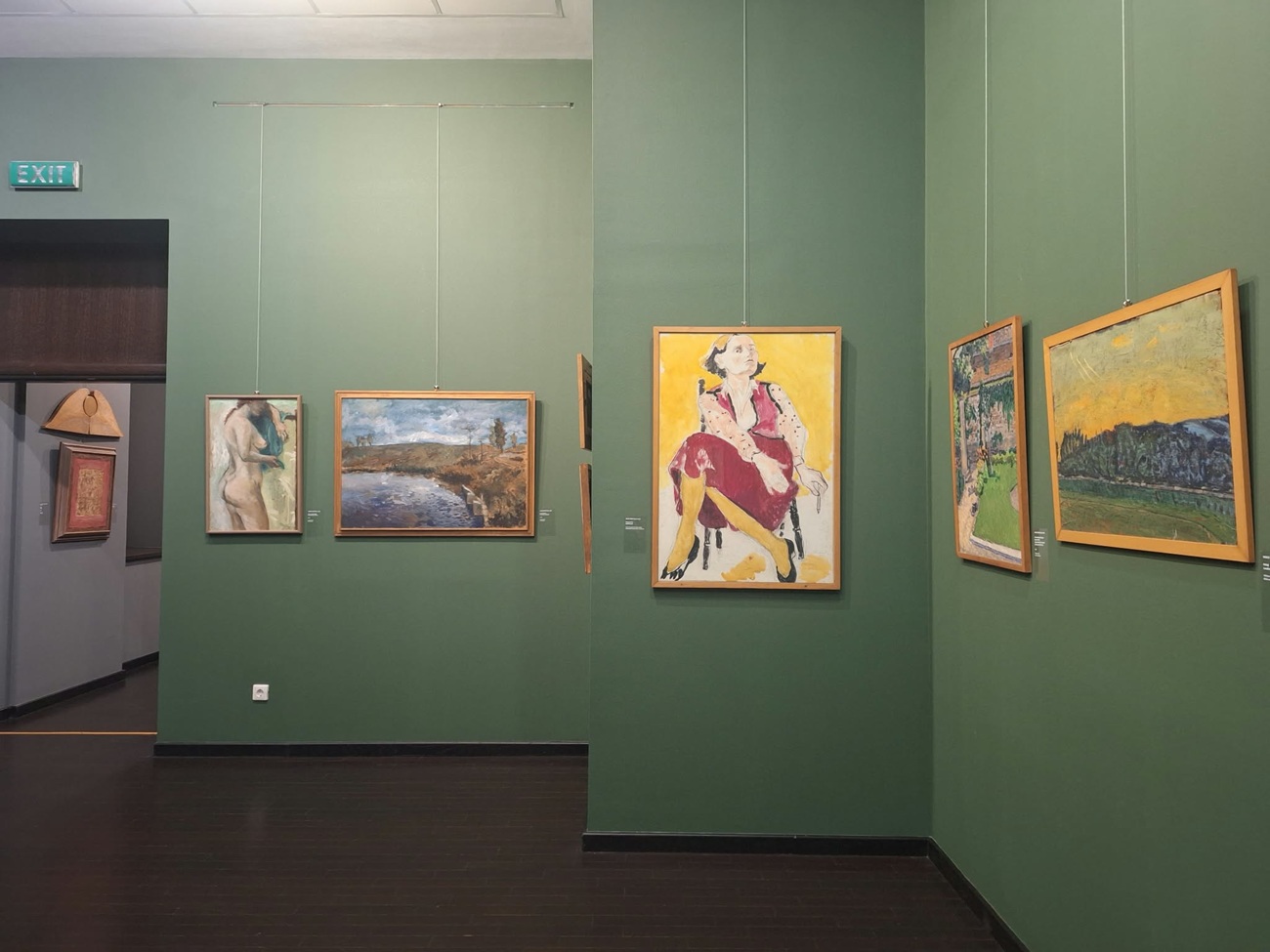
“Self-Portrait,” by Silvia Radu, at the Museum of Art Collections; curated by
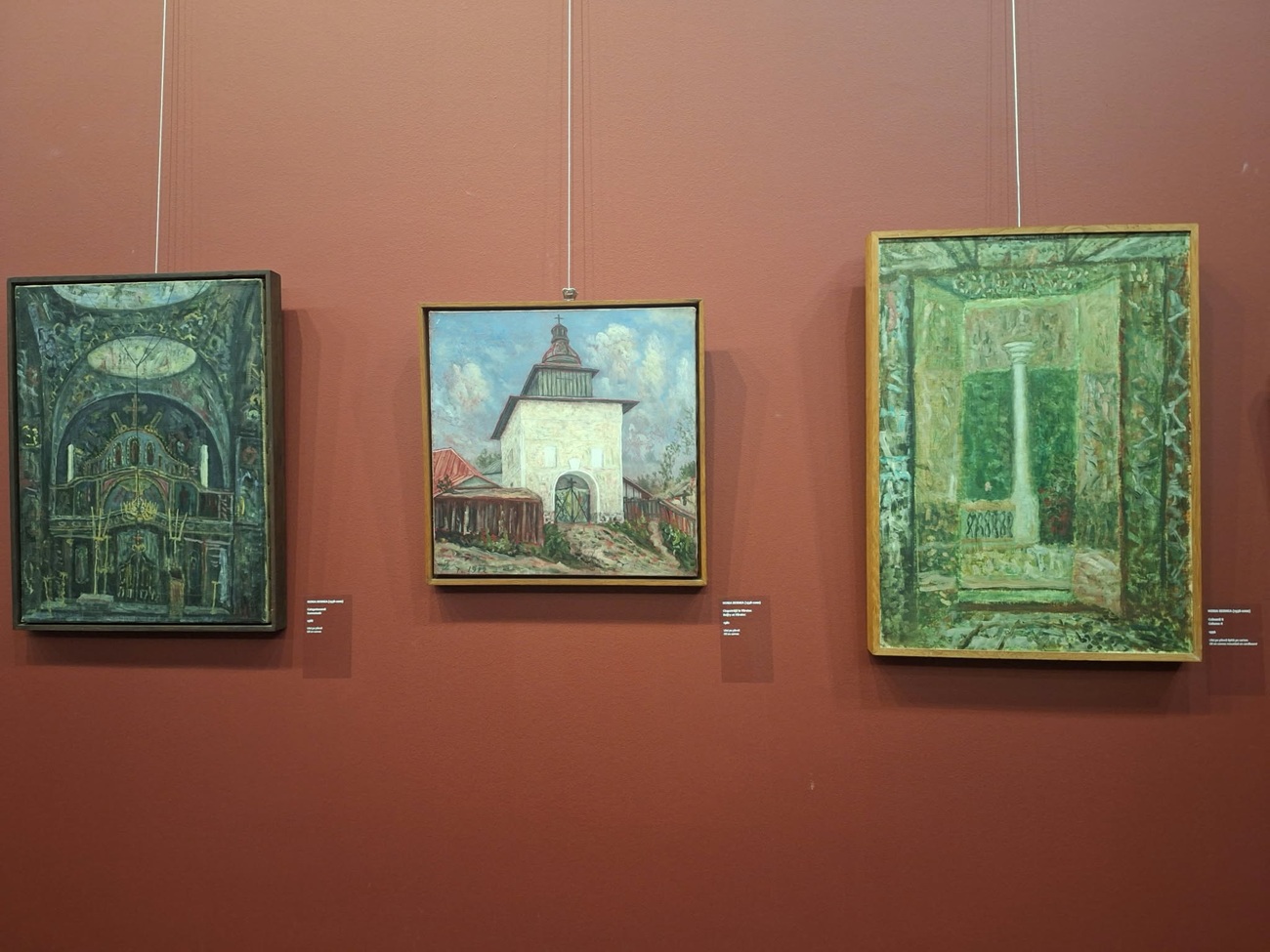
Works by Horia Bernea at the Museum of Art Collections; curated by
The exhibition can be visited in the Kretzulescu Halls from September 30 through November 22. Entrance is via Valter Mărăcineanu Street, on Wednesdays, Thursdays, and Fridays from 10:00 a.m. to 6:00 p.m., and on Saturdays and Sundays from 11:00 a.m. to 7:00 p.m.
The section on display in Building B of the Art Collections Museum can be visited from October 2 through February 16, 2027, on Mondays, Tuesdays, and Fridays, from 10:00 a.m. to 6:00 p.m., and on Saturdays and Sundays, from 11:00 a.m. to 7:00 p.m.
Admission to the exhibition requires a ticket costing 32 lei, valid for both venues.
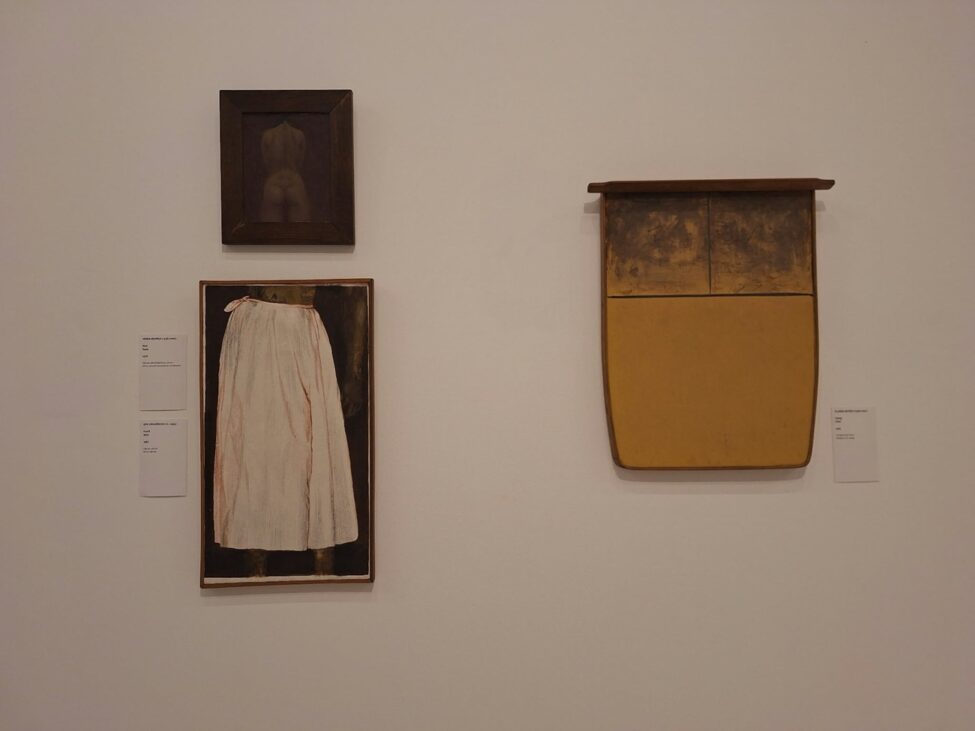
Main photo: “Nude” by Horia Bernea, “Skirt” by Ion Grigorescu, and “Field” by Florin Mitroi; curated by