



Malmaison, from Secret Prison to Haven for the Arts: A Building with a Traumatic Past Reborn Through Hope
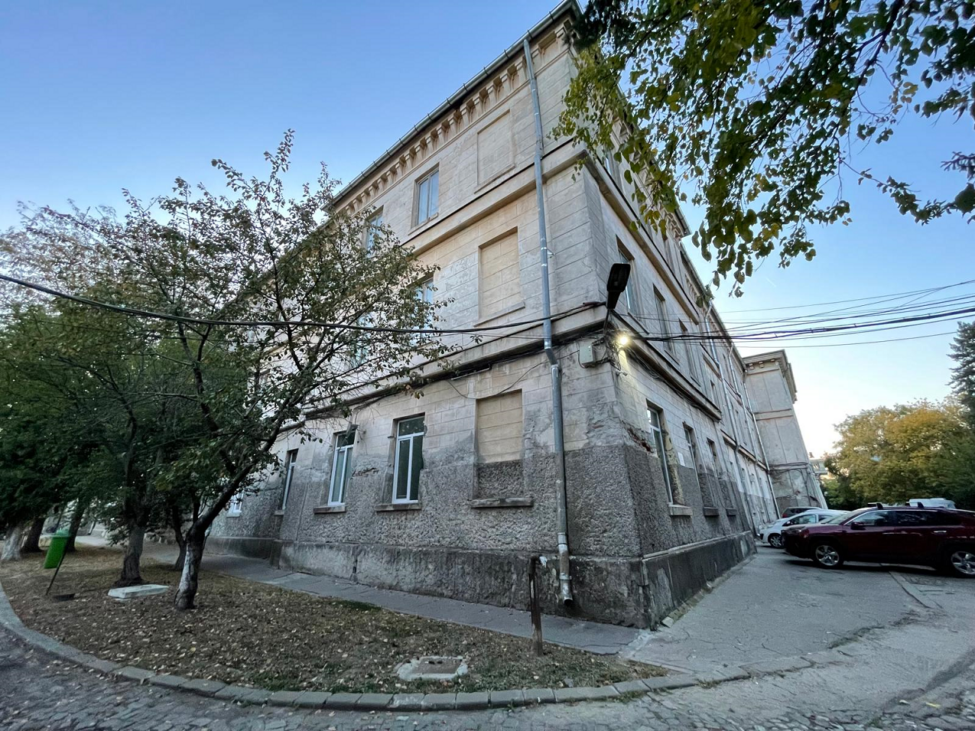
Malmaison, a French-inspired building named in honor of Napoleon III, which served for decades as barracks for cavalry troops, then as a detention center during the communist regime, is now a historic monument and the place where a community of 35 artists is doing everything possible to keep it part of the urban fabric.
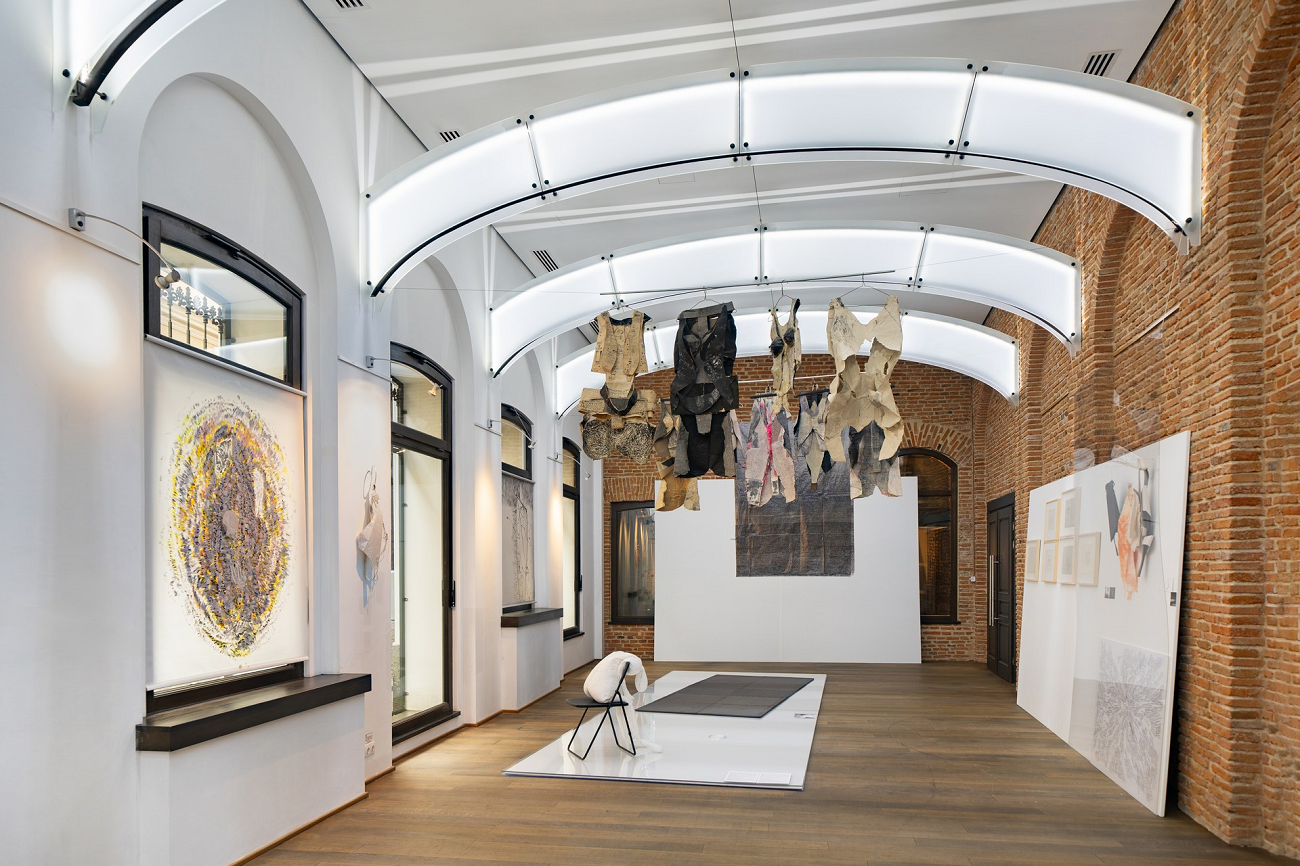
The Malmaison Workshops community was founded in 2020 in response to the need for dedicated workspace for artists and is currently the largest group of its kind in Bucharest and throughout the country.“O nouă speranță/ a New Hope”is the latest group exhibition here, featuring installations spread throughout the building and outside it—an exhibition that harmonizes with the building, which has undergone changes over time and has served, in recent years, also served as a film set.
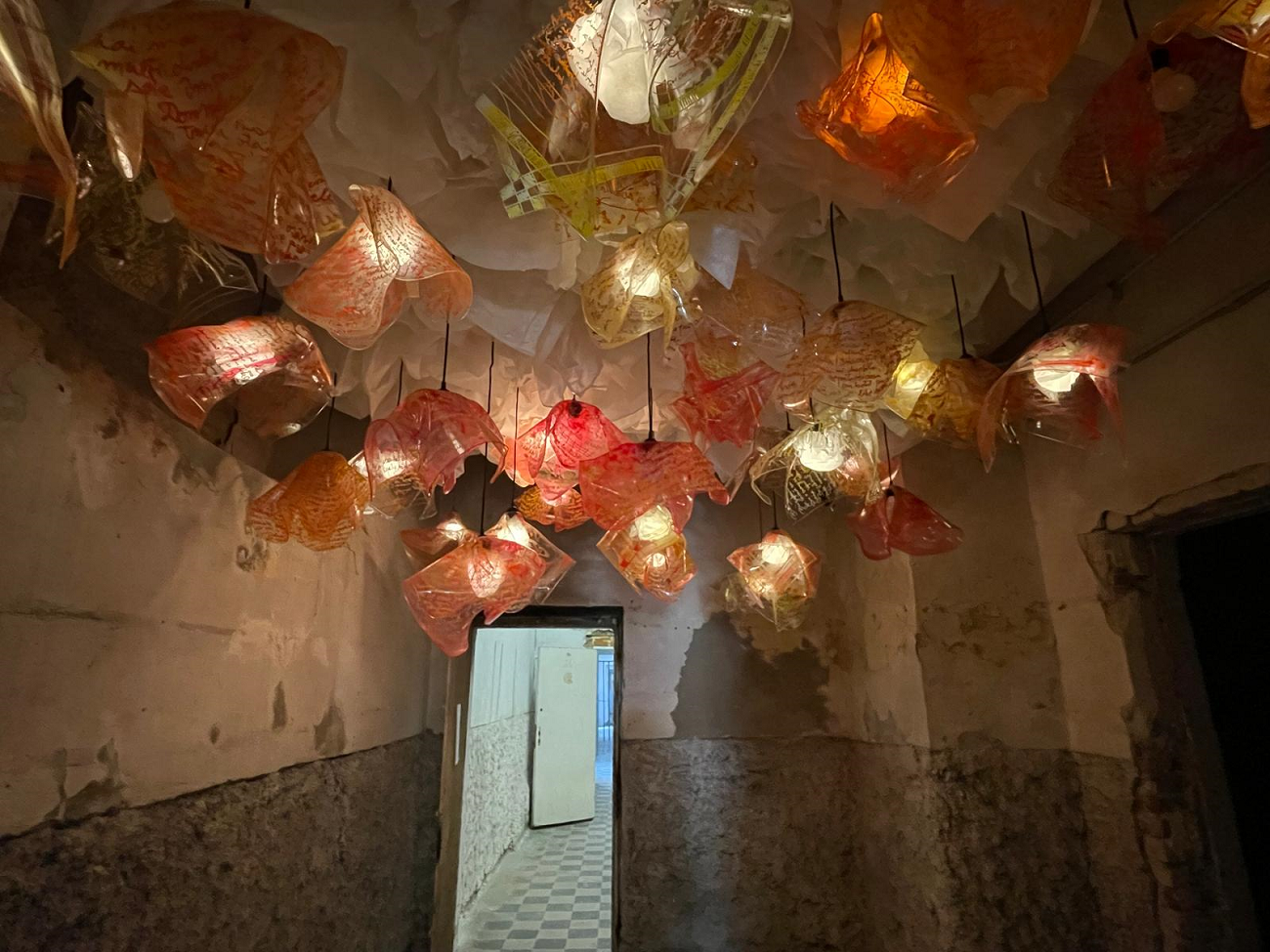
“I’d like to tell you that…,” an installation by Ioana Stelea and Paul Popa; curated by
Inspired by Empress Joséphine’s residence
Built in 1844, during the reign of Gheorghe Bibescu, Malmaison was home to the Cavalry, while the Infantry was stationed on Spirii Hill, as historian Mihai Burcea explained during a tour that also marked the debut of “a New Hope.”
Later, during the reign of Alexandru Ioan Cuza, a military quarter—a garrison—was established here, and this entire military quarter took the name Malmaison to honor Napoleon III, “since our entire history is inextricably linked to that of France.”
During the reign of Alexandru Ioan Cuza, to honor the excellent relations between the Romanian and French armies, the entire complex was named Malmaison after the Château de Malmaison, the residence of Empress Joséphine, wife of Napoleon I. Her residence was later taken over by Napoleon III. And to celebrate these excellent relations between the Romanian and French armies—the French having even sent an expeditionary force to our country to train the Romanian army—the complex was given the name Malmaison.
Military quarters, prison, and projecting institute
Starting in the 20th century, military quarters remained here until 1970. At that time, the entire complex—including the Plevnei Prison, which was administered by the Ministry of Internal Affairs—was decommissioned, and the entire building was transferred to the Iprochim Institute, which still manages it today.
Iprochim was a massive research institute, with several hundred researchers working at their drafting tables to design the factories and plants needed by the chemical and petrochemical industries. In the same area, on Splaiul Independenței—where the Ministry of Chemical Industry building was also located—Icechim operated as well.
These two massive institutes, Icechim and Iprochim, founded in 1950, merged in 1970 under the umbrella of the Central Institute for Chemical Research.
After the Revolution, the institute continued to operate, but as the entire industry collapsed, the researchers here gradually retired or found jobs at other institutes or companies. Today, Iprochim SA is a company in which the Ministry of Economy holds a majority stake, and its areas of activity include the organic and inorganic chemical industries, as well as the petrochemical and refining industries.
“Although the building has a traumatic past”—having served as a prison during the royal, Legionary, Antonescu, and Communist dictatorships, as well as before 1938— Burcea adds, “after 2002, it was also rented out for various parties.”
A Secret Prison, Without a Monograph
The full history of Malmaison is unknown, as there is no monograph on it. It is mentioned in memoirs and, to a lesser extent, in the interwar press.
In 2021, Mihai Burcea began a research project alongside two fellow historians, and we sent letters to the National Council for the Study of the Securitate Archives (CNSAS) and to the Ministry of National Defense, requesting that they provide us with any documents related to this detention facility, the Malmaison prison.
The response was: come to the site and examine the inventories. The online inventories contained nothing, and thus, the documentation regarding Malmaison was limited.
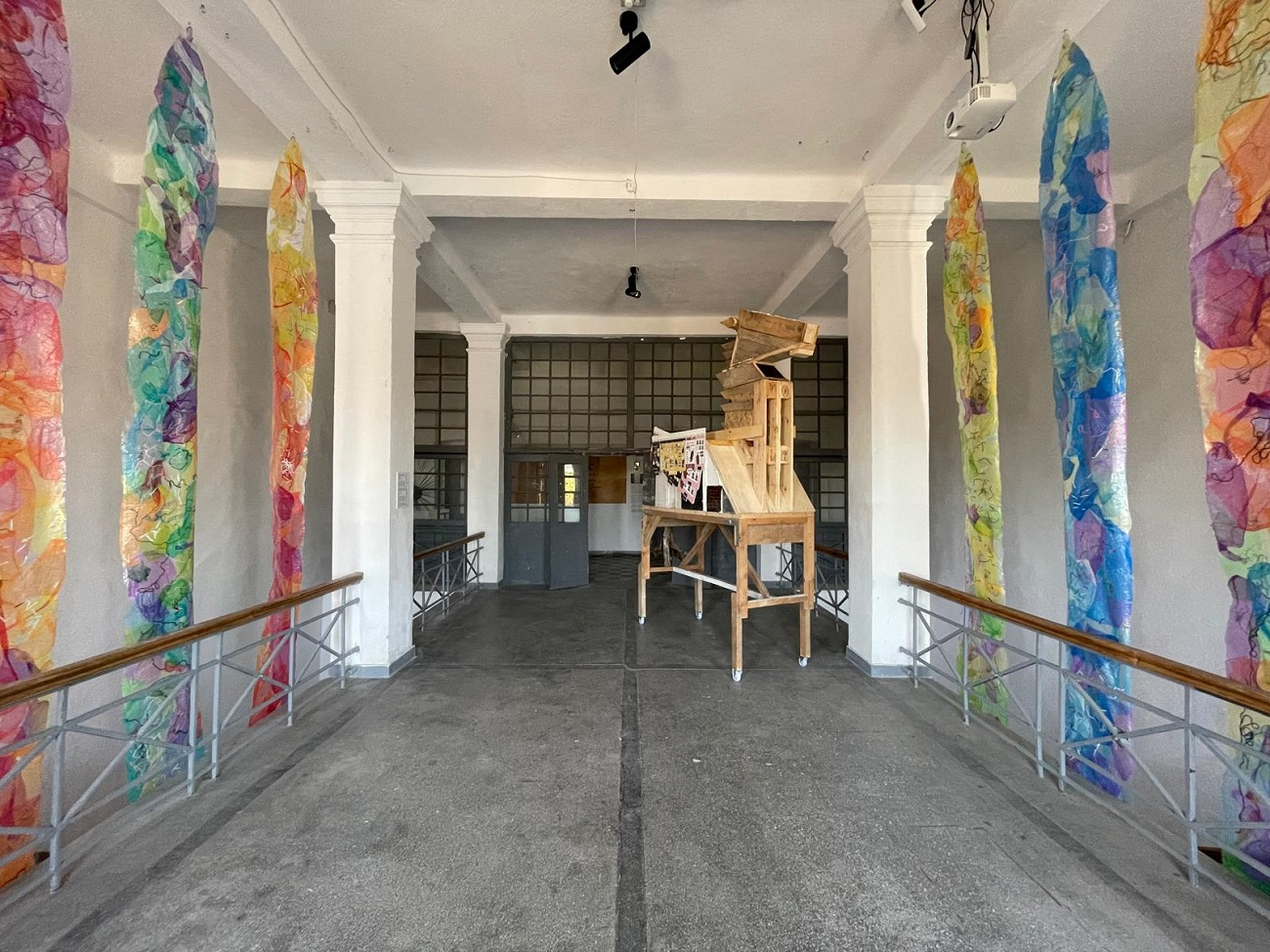
“A Nameless Horse,” by Stoyan Dechev, and “The Sky Within,” by Otilia Boeru; curated by
Pretrial Detention
At no point in its history has this prison been structurally subordinate to the General Directorate of Prisons.
This is where those in pretrial detention were held. “Of course, during the communist era, some people were arrested without a warrant or with a blank warrant and could remain in pretrial detention for as long as two or three years. There were three major detention centers in Bucharest: A was the prison in Revolution Square, where the Ministry of Internal Affairs headquarters stands today—the central detention facility of the Ministry of Internal Affairs; B was Malmaison; and C was in Uranus, on Spirii Hill, which was leveled to make way for the People’s Palace.”
Professional and Physical Deterioration
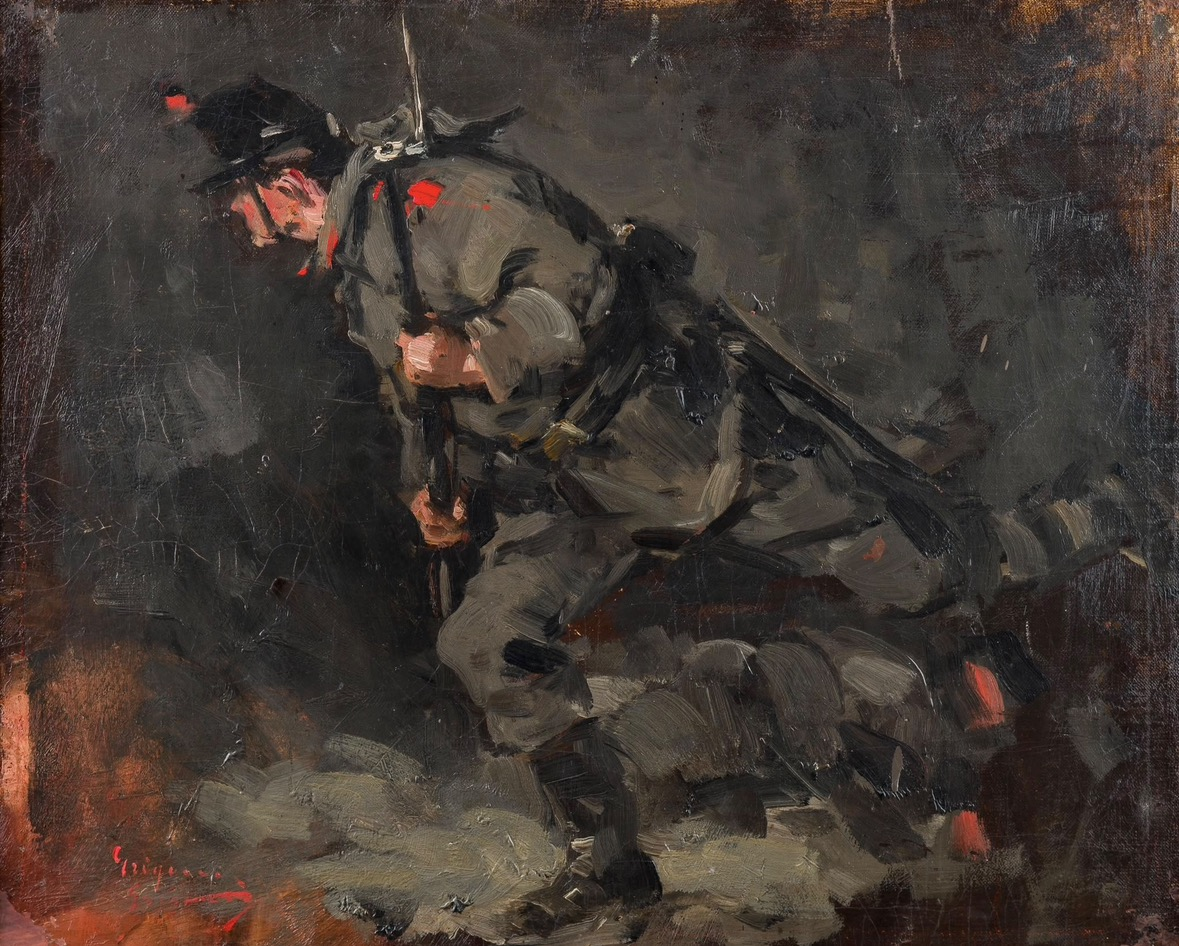
In the inner courtyard of the building, which had a total area of 13,000 square meters, was the parade ground—where, during the period when military units were stationed there, the daily reveille was sounded and various ceremonies took place, including demotions—an officer’s sentence would be read aloud, his epaulets would be torn off, and his sword would be broken.
Conscripts were housed in dormitories located on all sides of the building—one of which was demolished after the 1977 earthquake, which had severely damaged it.
On the west side were the stables dating back to the days of the Cavalry. Today, that building is no longer part of the complex at 137 Calea Plevnei. It later served as the royal riding arena, which was closed in 1950 to be converted into a student dormitory, and today it is part of the University of Physical Education and Sports.
In several press photographs taken in the courtyard of Malmaison in the 1920s and 1930s—which have been scanned and included in the Arcanum digital library—one can appreciate its architecture.
The only images of Malmaison found by the historian come from the interwar press. After 1945, there are no images of this location until 1989, neither in the National Archives nor at the CNSAS. It is possible that, after the building was transferred to Iprochim, the institute’s employees took photographs inside it.
Until 1970, because it was a secret facility, those who were imprisoned here and wrote their memoirs described only that they were led down stairs and provided very few details about the exterior, because, once they were taken out of their cells to be brought to the interrogators’ offices—located in annex buildings—their eyes were covered.
Details about what these looked like can be seen in “The Great Communist Heist” (2004) by Alexandru Solomon; the director received approval from the Ministry of National Defense to film the documentary about the 1959 trial there. A reenactment, shown on a closed-circuit basis, was produced in 1960 by Virgil Calotescu.
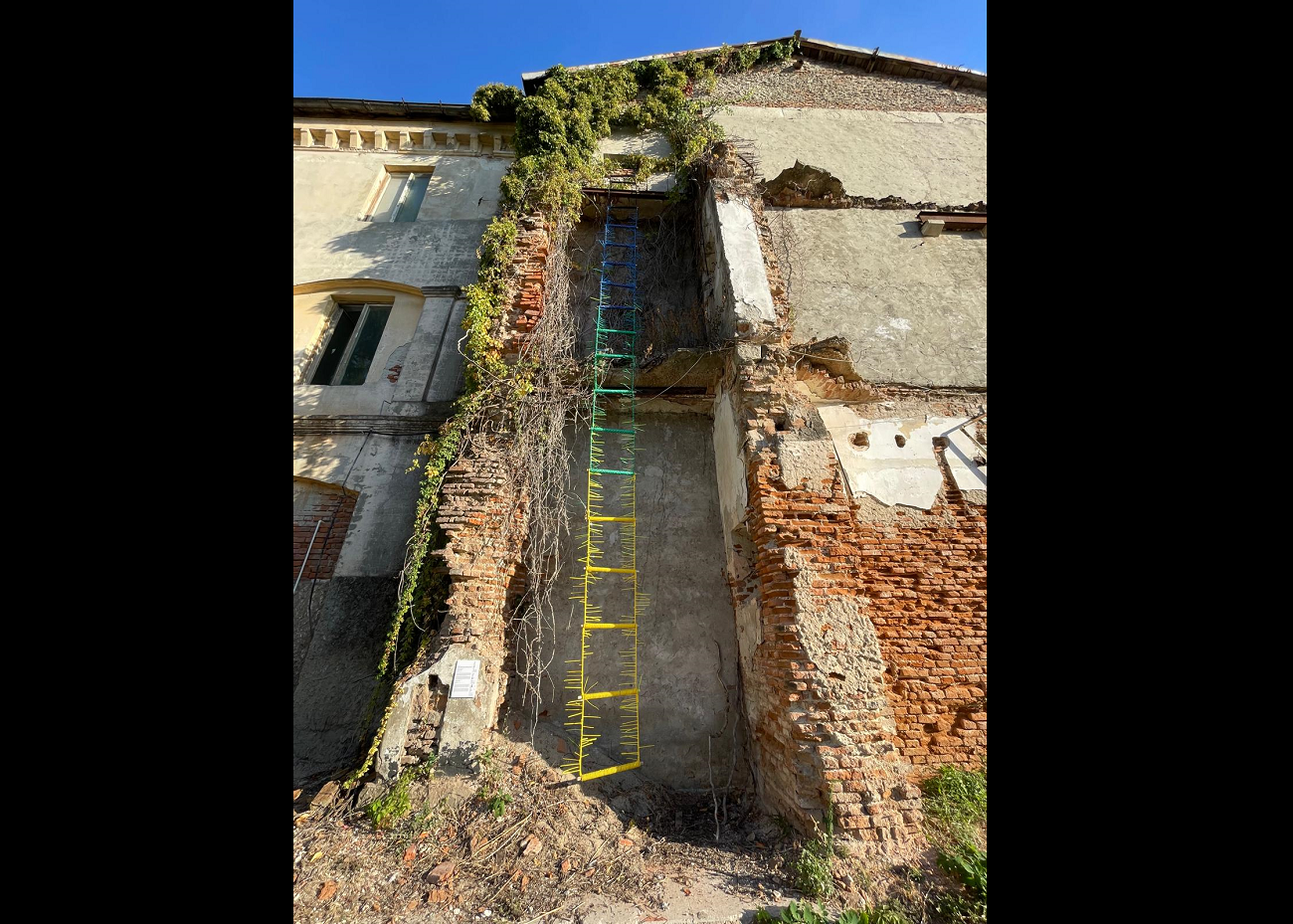
“A New World,” by Mihaela Moldovan; curated by
Espionage trials, political trials
Here, communists, Legionnaires, and trade unionists were tried by military courts. The trials could involve espionage, military personnel, or political offenses. When martial law was declared—a practice frequently used by regimes prior to the 1940s—political offenses fell under the jurisdiction of military courts.
Among the most significant and well-known trials covered by the press is the one from 1936, which involved the entire leadership of the Secretariat of the Central Committee of the Communist Party, with the defendants including Ana Pauker, who became Minister of Foreign Affairs in 1947, and Alexandru Drăghici, who in 1952 became Minister of State Security and later Minister of the Interior. Two hearings were held here, after which the trial was moved to Craiova due to demonstrations by supporters in front of the Malmaison. The 15 communists were sentenced to a combined total of 150 years in prison.
Prior to that, in 1933, the strikers from the CFR Grivița workshops were tried in Malmaison. That trial, too, was moved to Craiova after the first hearing, for the same reasons.
Imprisoned at Malmaison
Among those who were brought to Malmaison over the years were lawyer Lucrețiu Pătrășcanu, Legionary leader Corneliu Z. Codreanu, writer Nicolae Steinhardt, the first Communist prime minister Petru Groza, as well as Corneliu Coposu, Iuliu Maniu’s secretary who later became president of the National Peasants’ Party, arrested in 1947 and released 17 years later, writer Paul Goma, and Ecaterina Bălăcioiu, the mother of writer Monica Lovinescu.
Now, Malaison is where the history of detention meets the freedom of art.
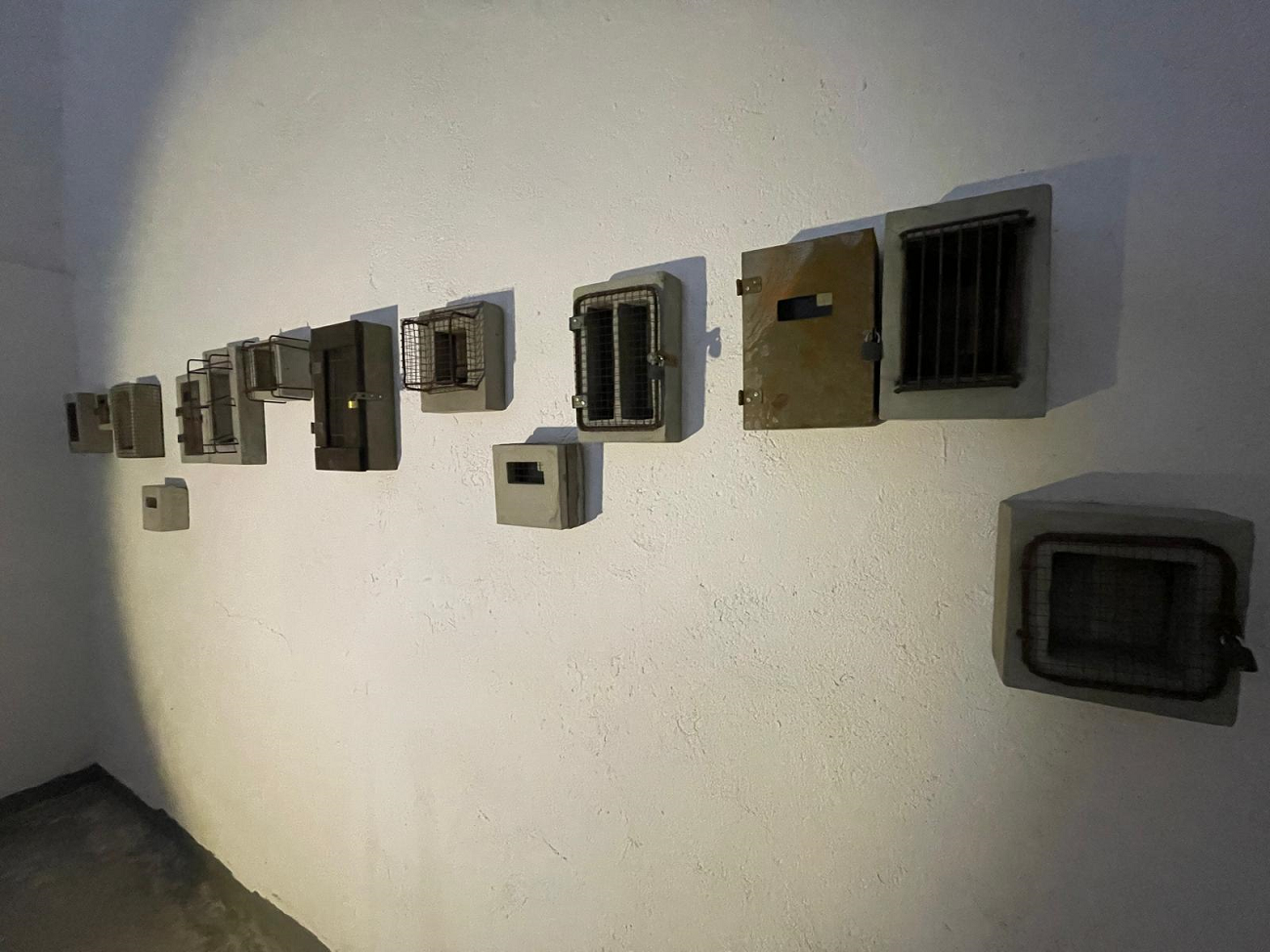
“The Cobra File”, Chob; curatorial
An installation by Chob (Olga Ciob) included in the exhibition “A New Hope” refers to the “Cobra File,” as it was called by the Securitate. The work symbolically depicts the detention, as well as the last letter sent to Monica Lovinescu by Ecaterina Bălăcioiu from France in early 1960.
A New Hope
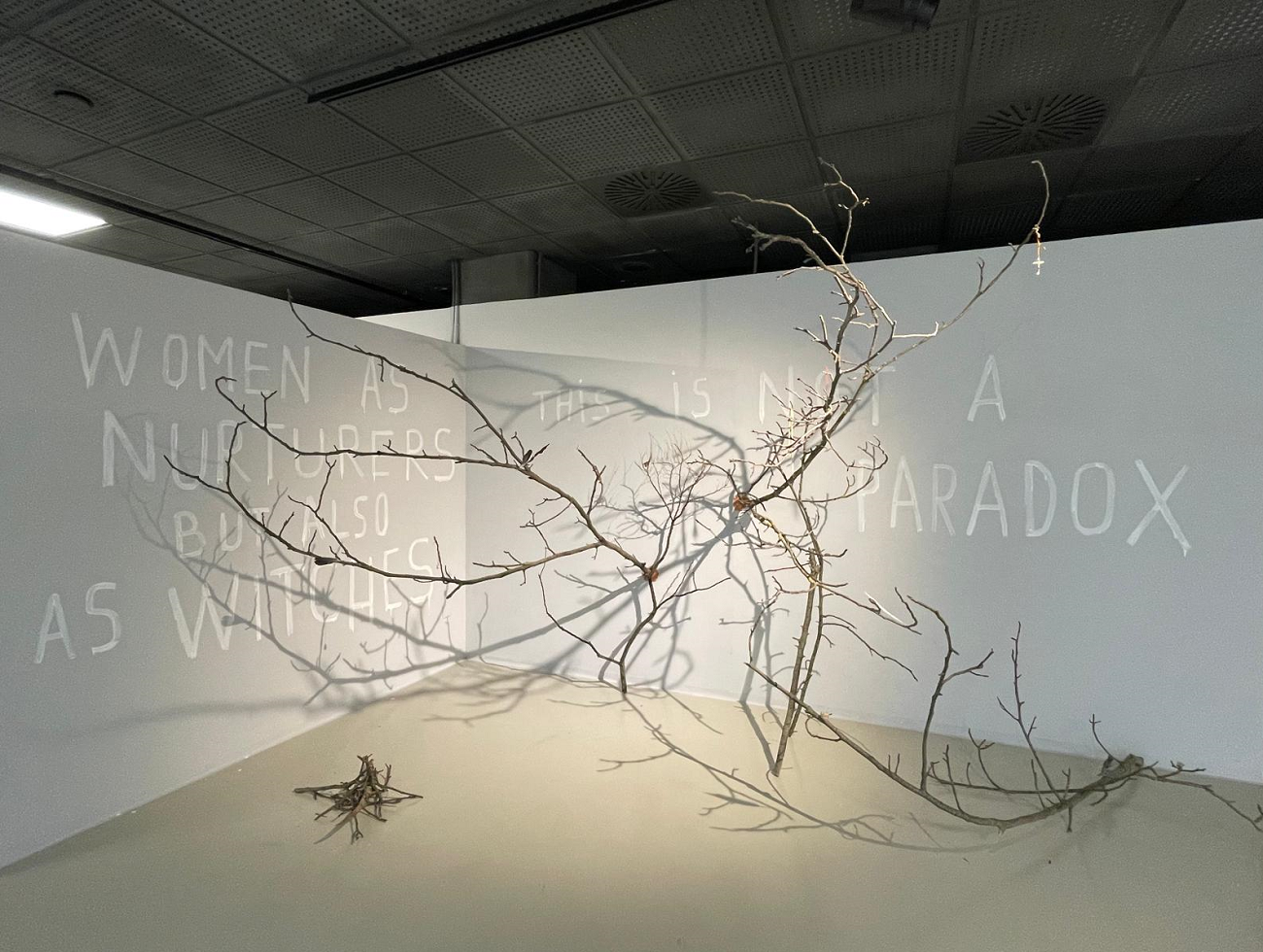
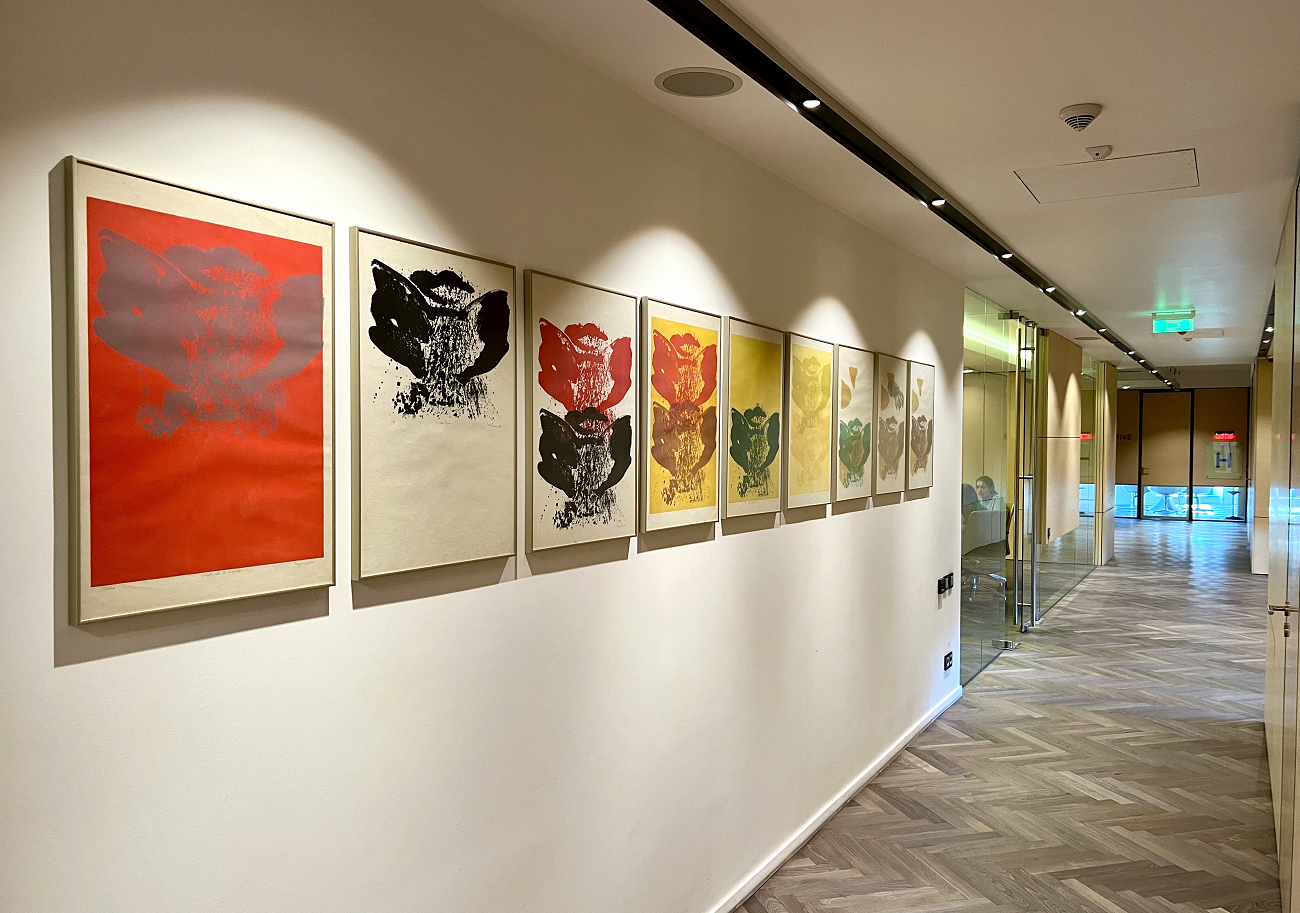
The exhibition “A New Hope” brings together artists Liliana Basarab, Otilia Boeru, Chob, Edi Constantin, Stoyan Dechev, Giles Eldridge, Mihaela Moldovan, Daniela Pălimariu, Stol Collective, Ioana Stelea & Paul Popa, Dan Vezentan, and Zoltan Bela.
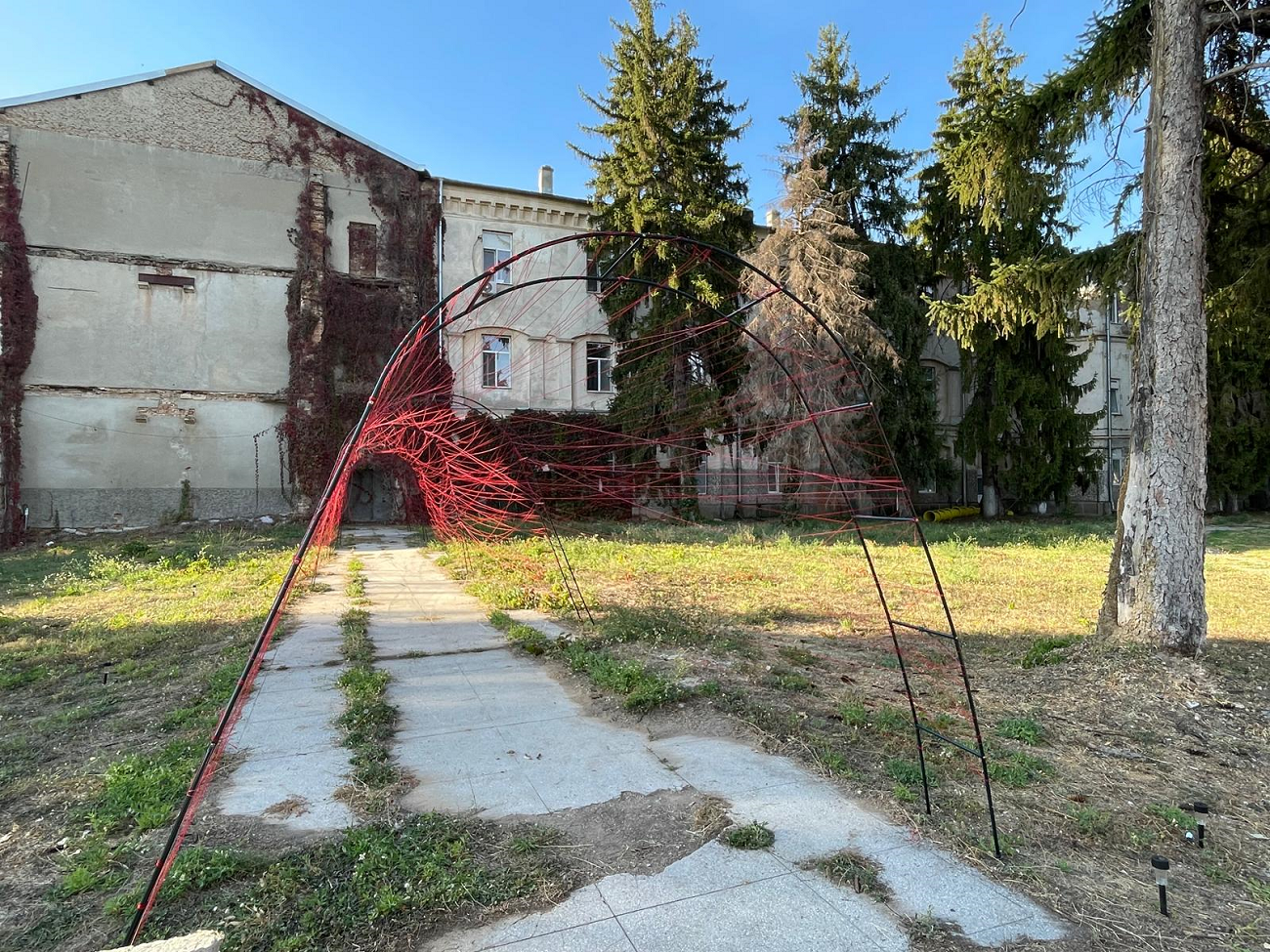
“The Phantom Corridor,” by Zoltan Bela; curated by
“We took into account the building’s potential and the transformation of its transit spaces into cohesive exhibition settings, in which the architecture of the space, and the courtyard become a continuous backdrop for interventions, performances, and works by ‘resident’ artists or curators invited to collaborate with the Association. We launched this project out of the need to define the relationship between studio, exhibition, and reception within a ‘territory’ in which Malmaison is also a potential community. This territory has a history paid for with the “soul”: hope—an impossibility constantly conquered by the obstinate repetition of the possible. “The exhibition is, therefore, a first practical application and a promise of what is yet to come,” say the members of AAAM.
Another aspect concerns the theoretical framework for how the works coexist within an exhibition. “In order not to turn it into a case study of a concept—which would have required defining its aesthetic quirks and idiosyncrasies in the hard currency of critical theories —we preferred to employ three quasi-theoretical strands drawn from different working histories or three lines of visual contextualization, in order to address elective affinities in practice and modes of co-exhibition among the artists, nine of whom were selected following an internal call for projects, judged by Alina Șerban, Cătălin Gheorghe, and the project team.”
The works can be viewed at Malmaison through November 21, Thursday through Sunday, from 4:00 p.m. to 8:00 p.m. Guided tours will be offered during this period, and the Open Doors event will take place in the first half of November.