



INTERVIEW – Luiz Stockler, Illustrator, Filmmaker, and Art Director at Animest: Art Begins with Fun, Mistakes, and a Blank Page
Luiz Stockler, a Brazilian-Welsh illustrator, animation director, and author, speaks in an interview with Curatorial about how he maintains his visual “voice” in commercial projects, about his debut in children’s literature, with “Tiny Man,” his recent interest in 3D printing and wood painting, and his long-standing collaboration with the Animest International Animation Film Festival.
As Art Director, he emphasizes thoughtful, coherent, and sustainable design, avoiding visual clutter and promotional items that quickly become waste. From his perspective, his experience as a filmmaker and participation in more than 100 festivals help him better understand the behind-the-scenes work at Animest. He has also observed the spectacular growth of the Romanian animation scene over the past 17 years, and for the future, he hopes to continue refining the festival’s visual identity while preserving the spirit of a community built around passion and friendship.
Luiz Stockler, who now lives in North Wales, after spending some time in Romania, graduated from the Royal College of Art in 2013 and has since devoted more than a decade to directing and designing short films, commercial projects, and illustrated books. He has collaborated with studios such as Nexus, Blinkink, and Moth, as well as directly with major commercial clients, including The Atlantic and Google.
Animest takes place this year from October 2 to 11 at the Cinema Muzeul Taranului, Cinemateca Eforie, Cervantes Institute, and CINETic.
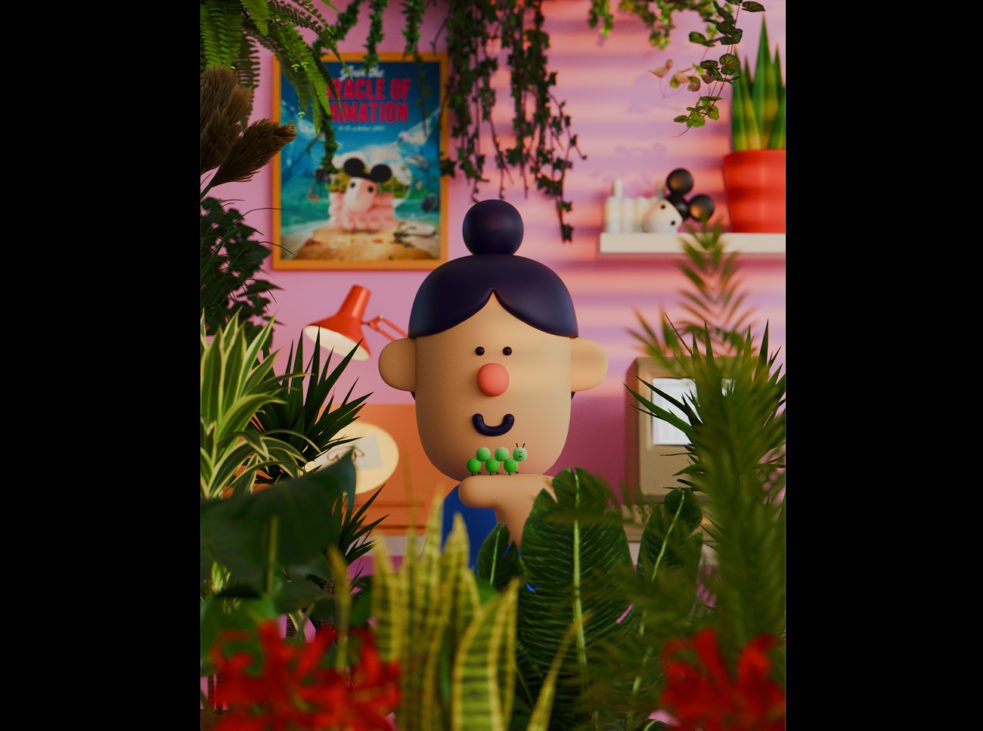
Nature is the central theme of the 21st edition. From the mysteries of ancient forests to the fragile balance of ecosystems and the struggle for conservation, everything will be viewed through the lens of animation, in a vital exercise in reconnection and awareness through film.
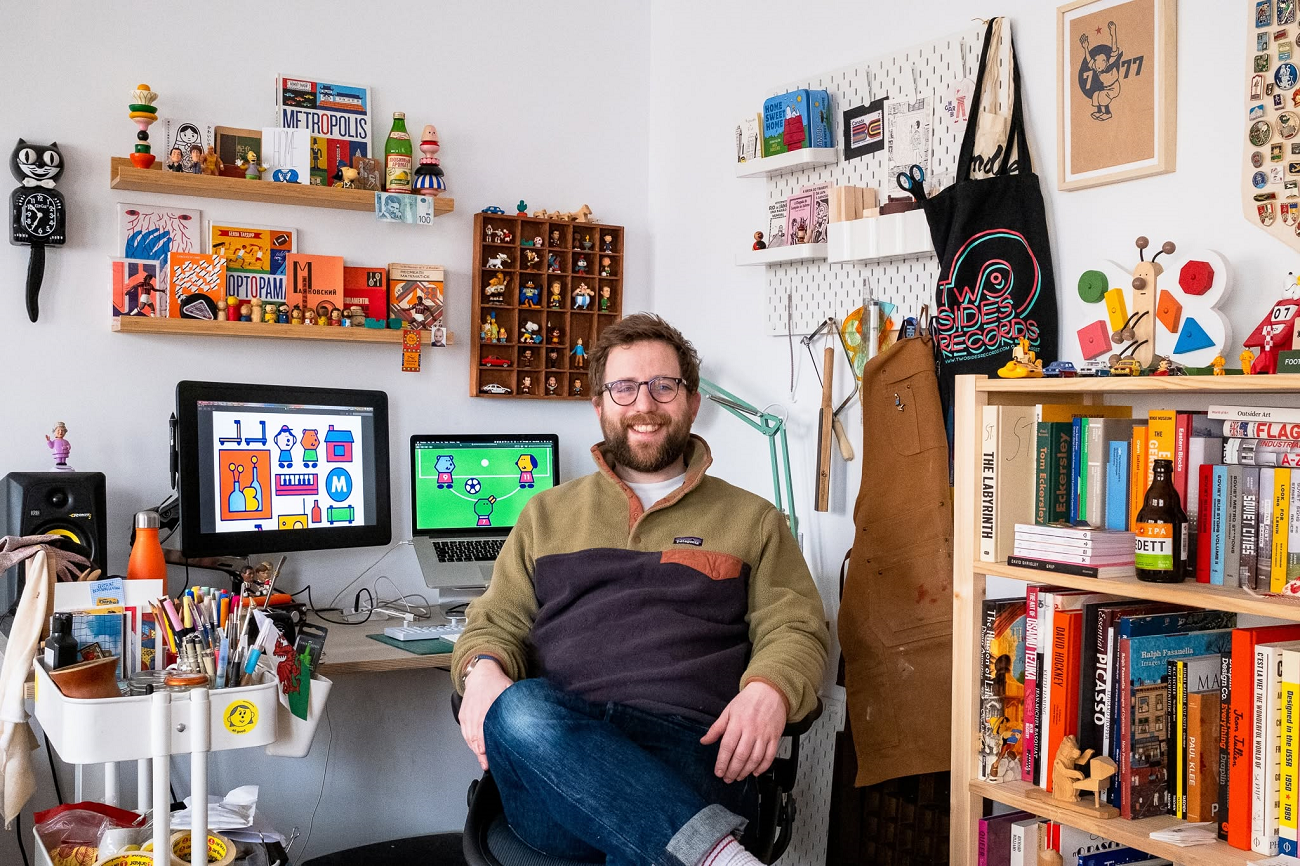
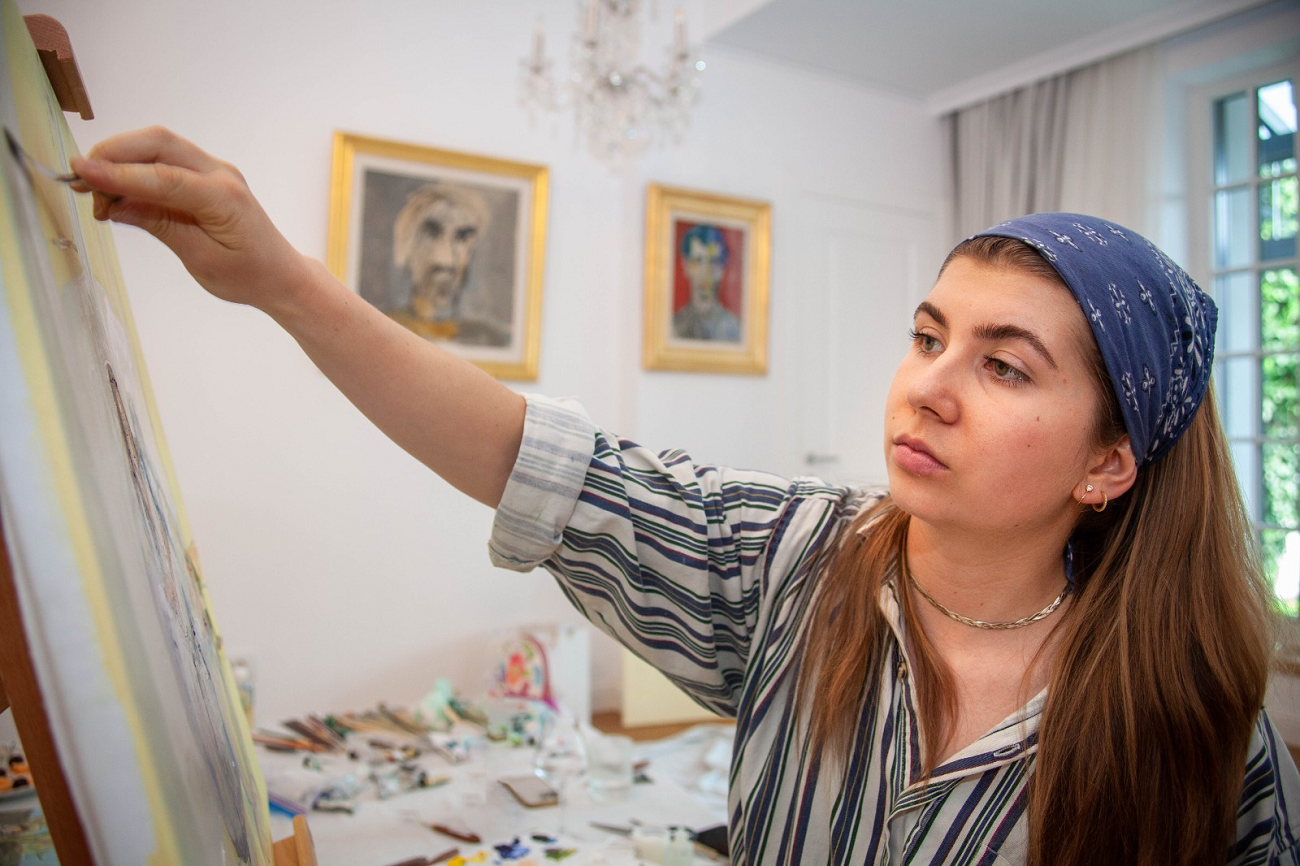
Luiz Stockler (personal archive)
You work across illustration, animation, film, editorial and picture books. How do these different disciplines influence each other in your creative process?
Luiz Stockler: I don’t really see them as being different from one another – I like to play a lot when im making art, trying things out, making mistakes etc. However, they all begin with two fundamental pillars of my practice; drawing and story, the way in which these two things interact informs the final output.
You’ve collaborated with major studios and international clients, how do you maintain your own visual voice while working within very different creative and commercial contexts?
Luiz Stockler: Clients usually approach me for my style and ideas so maintaining a visual voice isn’t usually too difficult, what can be hard is getting them on board with things they haven’t seen yet e.g. an idea explained can sound quite shit, they need to see it, or they need to trust me as an artist and know that i can pull it off – unfortunately the second option almost never happens though.
In June 2026, you released your debut picture book, „Tiny Man”. What made you want to tell a story in book form?
Luiz Stockler: I have a four year old son and I’ve been reading many books with him over the years and i thought it would be cool if I could make a story to read for him so I wrote this book about how small actions are all connected to each other.
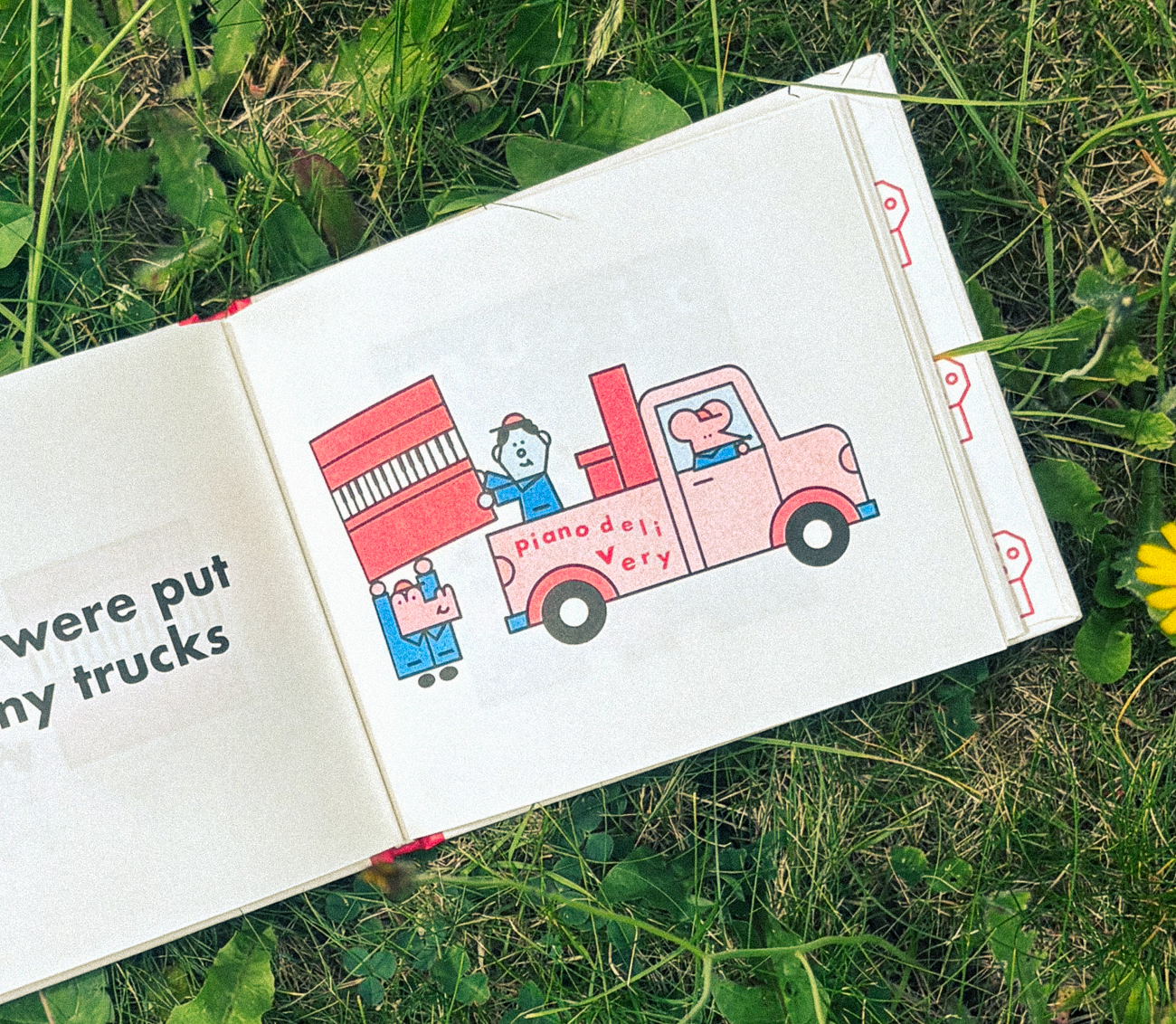
Tiny Man
What are you most interested in exploring in your work right now, and where do you see your practice going next?
Luiz Stockler: I learnt 3D software just over a year ago so I’ve been stuck on that for a while which then led me to think about making toys. I bought a 3D printer and have been experimenting with making figures. I also started painting portraits on wood of footballers, it’s sort of like folk art.
I really enjoy just playing around and seeing how stuff can look. I try not to be too precious with anything and stay curious – follow an idea and see where it goes. For me the most important part of my practice is the process. I’m not too bothered with the outcome, once I finish something I want to start the next thing. This is why I think generative AI is so dumb – it takes away the fun part of making art, the fuck ups, the happy accidents, the feeling of starting with a blank page and ending with something else.
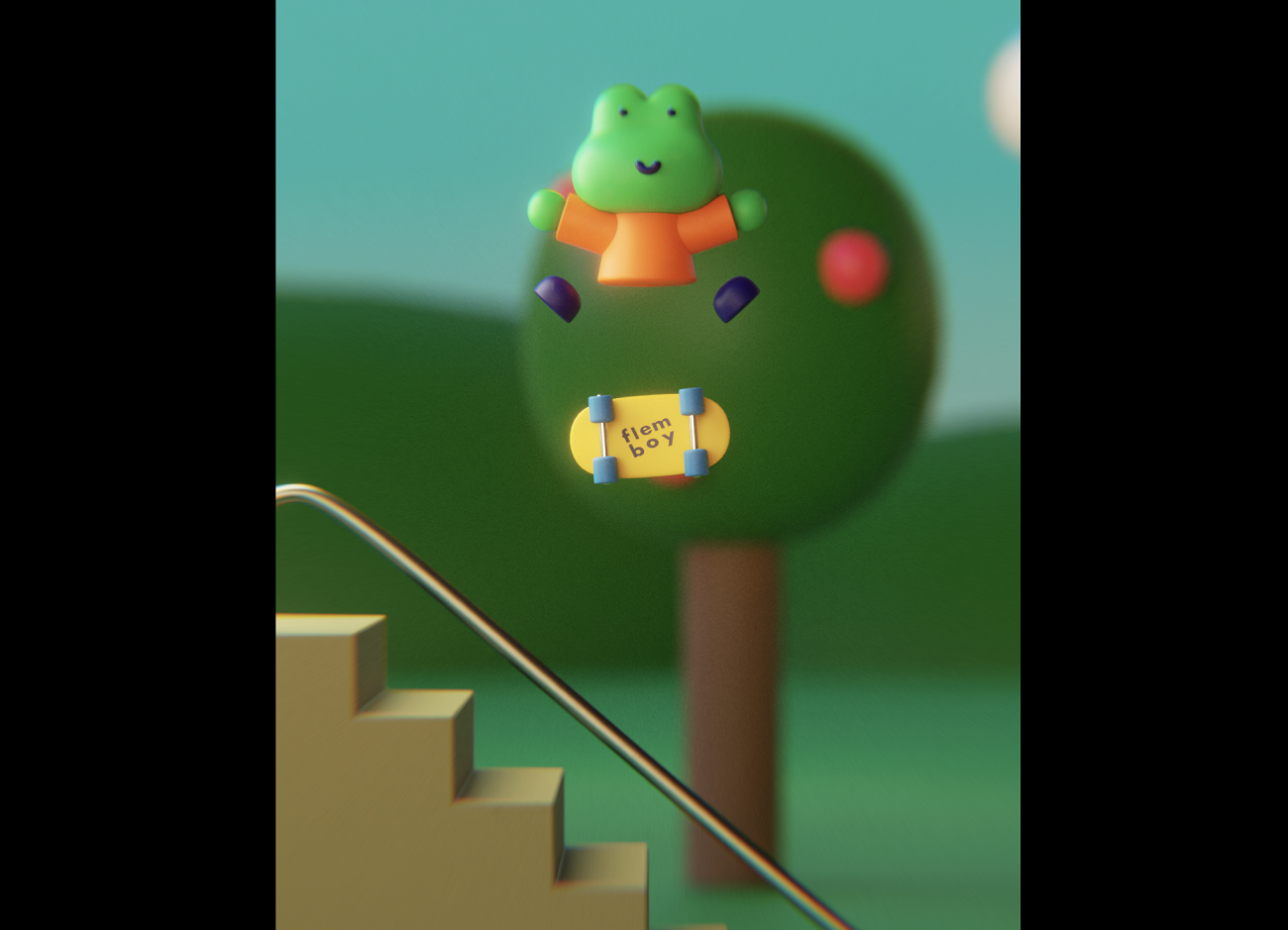
FrogAE, Luiz Stockler
What have festivals meant to you as an artist, and how has that experience shaped the way you think about your own work?
Luiz Stockler: I think festivals are a really nice way to connect with other filmmakers from different parts of the world, to travel, to see stories from different perspectives. I learnt early on going to festivals that not only do you see (some) great films, you also see a lot of bad films, which teaches you quickly what to avoid and how to improve, the importance of good sound design, how important pacing is – short films are generally too long in my opinion.
How did your collaboration with Animest begin?
Luiz Stockler: It’s a bit long but let’s go! I first came to Animest in 2010 with a film from my bachelors titled Vovô about my grandpa in Brazil. It was the first festival to ever screen a film of mine so I always had a connection with the festival, then I returned in 2013 with a film from my Masters called Montenegro – at this point I started falling in love with Romania, I returned many times after that to teach at the animation worksheep which was a bi-annual workshop that used to be associated with Animest. In 2016 I went to Animest Chisinau and gave a workshop to teenagers, the following year I directed the festival trailer and was on the Animusic jury.
In 2020, I moved to Bucharest just before the pandemic began, that year the festival was held online and I was asked to host the award ceremony – it was a bit of a joke playing around with green screen and costumes, so I was always in and around the festival – I actually met my partner who used to work at Animest, and we had our son, an Animest baby.
You became the festival’s Art Director in 2025. What motivated you to take on the visual direction of a well-established Romanian animation festival, and what did you feel you could bring to it?
Luiz Stockler: Before I left Romania in 2024, I shared a studio with Filip Mănișor, who is the festival’s executive director and a pretty good friend of mine. Sometimes we’d ask each other for opinions on various things – I’d ask him what he thought about something I was working on, he’d ask me what I thought about a certain thing at Animest, and so on. The following year, he sent me a message asking if I’d be willing to serve as Art Director, since the previous one was on maternity leave. The idea seemed good to me; I thought it might be fun. I knew I’d have a lot of creative freedom, which meant I could experiment with all sorts of things, so I figured it could be an interesting experience. I’ve been working in this industry for over ten years and have lived in Romania, so I had both an outsider’s and an insider’s perspective, which I thought was an interesting angle to bring to the table.
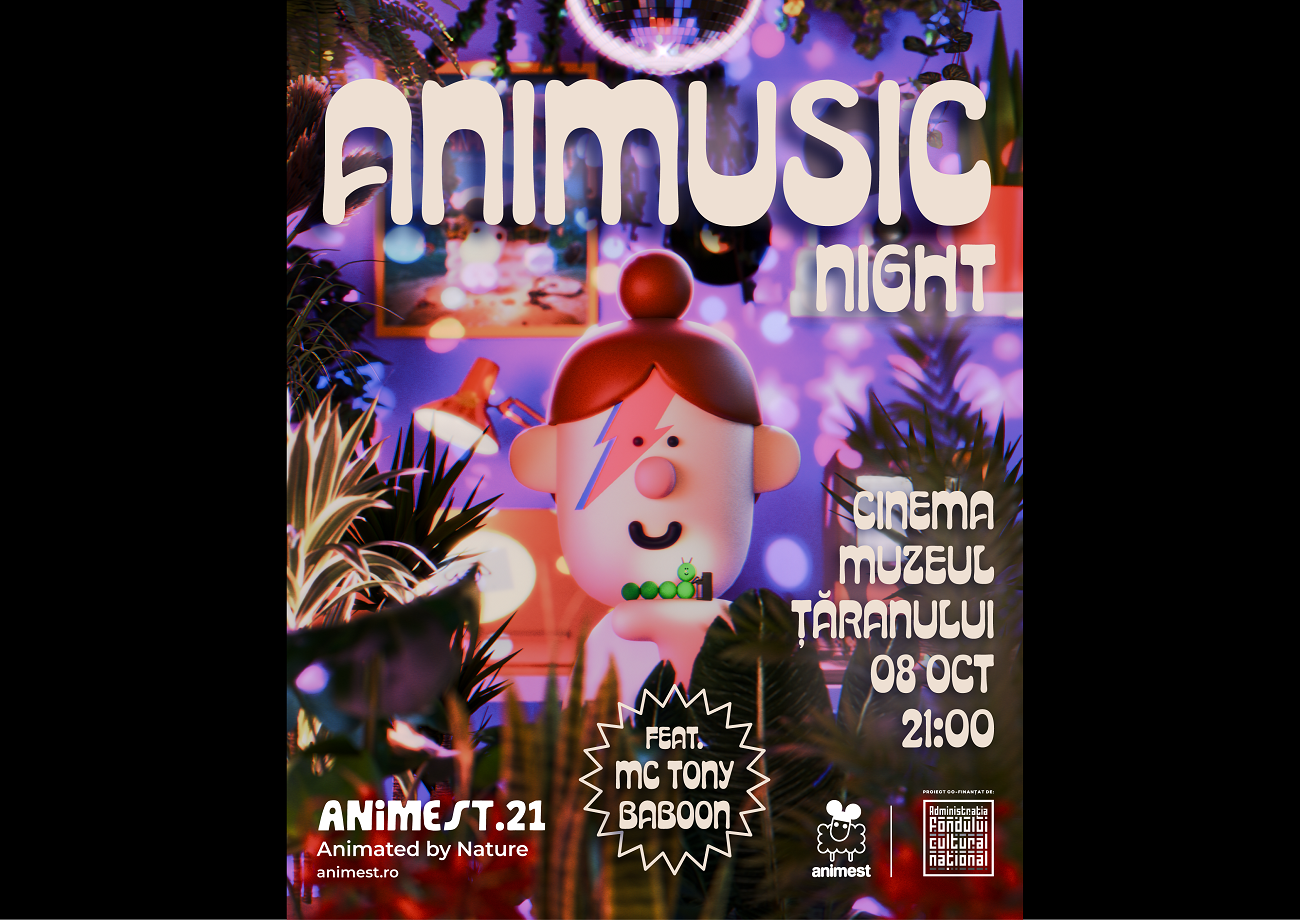
Animest has its own visual identity and its own history. When you took on this role, how did you approach the challenge of honoring what had been built up to that point while also giving the festival a new visual direction?
Luiz Stockler: I was really conscious of not just making more visual clutter. The world is full of design slop as it is, and when you go to animation festivals you always end up accumulating so much stuff; tote bags, catalogues, flyers, stickers, lanyards. A lot of the time it quite ugly or bad quality and it just turns into trash you take home. I wanted to respect what Animest had already built, but approach it with a lot more care. I wanted to make things that felt really considered, so that instead of throwing a poster or a lanyard away at the end of the week, people actually want to hang onto it because it’s a nice object in its own right.
Looking back at the first 20 editions of the festival, what is your favorite image?
Luiz Stockler: I really like the one from 2023 by Irina Selaru, she’s a Romanian illustrator living in the UK, I’d been following her for years so it was a nice surprise to see this collaboration.
Animest brings together directors, illustrators, animators, and audiences from Romania and around the world. How important is it for the festival’s visual identity to reflect this international character while remaining connected to Bucharest and the Romanian animation scene?
Luiz Stockler: I dont think its too important, I think the visual is just a complementary backdrop for the experience itself, like a nice picture on a cafe wall where you drink the best coffee whilst talking to your friend and you say ‘that’s a nice picture’.
What have you learned about Romanian animation and its creative community since you started working with and for this festival?
Luiz Stockler: I’ve been connected to the animation community for almost 17 years now. Back in 2010 there was almost 0 community and no animation schools, I’ve seen it grow to the point now where there are many studios, animation courses, internationally awarded films, talented animators – it’s grown rapidly in this time. When I lived in Bucharest I used to organise animation meetups often and there was always a big turnout.
Given that your films have been screened at more than 100 festivals, you’ve experienced these events from a director’s perspective. How does that experience influence the way you now view Animest from behind the scenes?
Luiz Stockler: It has a huge impact. As I was saying, it’s also about gaining experience, but I see it from the other side a lot more now – logistics, finding locations, previous locations closing down or becoming unavailable, how hard people work all year round to make a festival etc.
After your first year as Art Director, what do you think has changed in the way you view festivals, and what do you hope to continue developing at Animest?
Luiz Stockler: I think festivals are 90% of the time a labour of love. People giving a lot of themselves to make it happen – late nights, weekends, all for 7/10 days. Regarding developing further – I would like to keep pushing visual language, to refine each year how well we do things. To make beautiful and considered design. When something is nicely designed and connects with everything else, you feel it. Its like when you walk through a city and you think ‘I could live here’ without necessarily understanding why, it just makes you feel good.
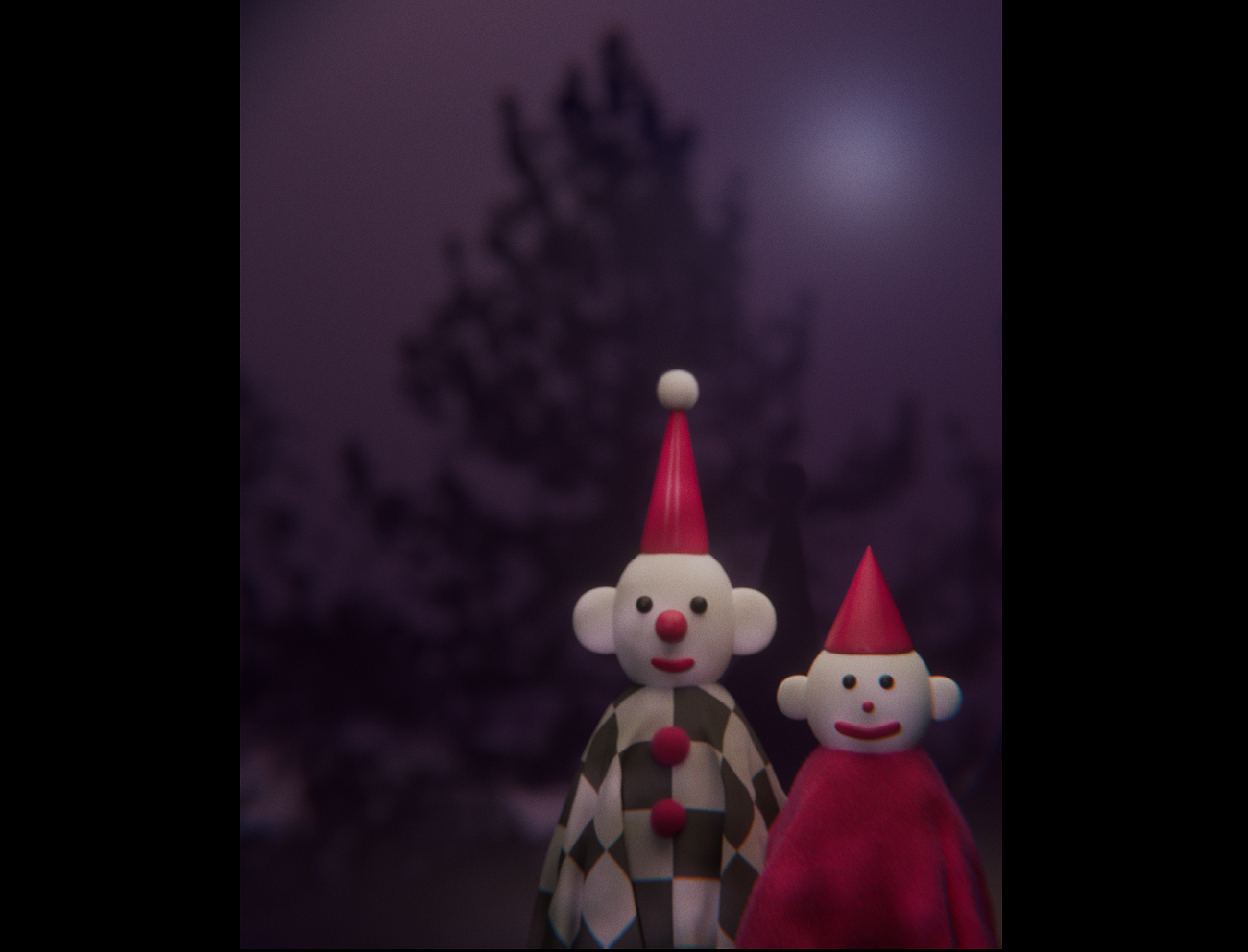
Creepy Animation Night
What do you think sets Animest apart, visually and culturally, from other international animation festivals you’ve seen or attended?
Luiz Stockler: I think mainly that the team is made up of people who are friends, were now at the second generation of animest staff, many of whom started out as volunteers and are now in senior positions, like Filip who I mentioned earlier. People who run the festival have literally grown up with it and this makes it really special.
Illustrations published courtesy of Animest and Luiz Stockler