



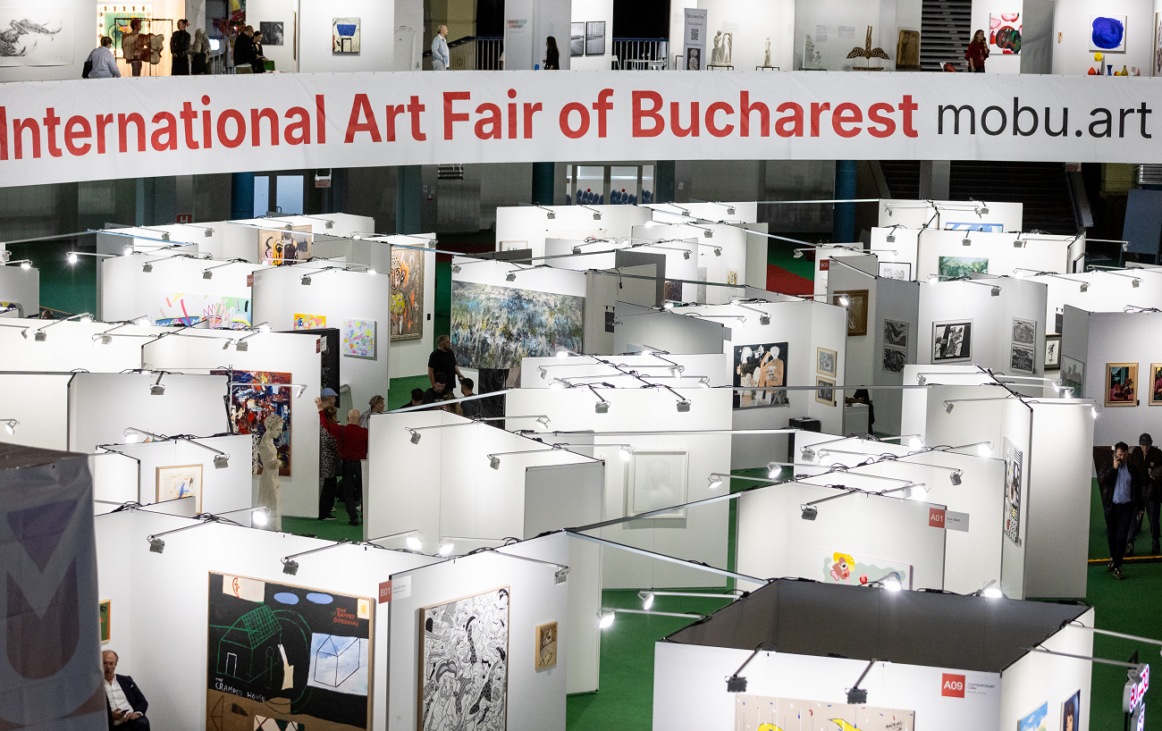
INTERVIEW – MoBU Director: Art fairs remain important spaces for socializing and authentic experience
MoBU, an art fair like a festival, as the director Demetra Arapu characterizes it, takes place this year from June 3 to 7, in the Central Pavilion at Romexpo, hosting 51 exhibitors and several events.
In an interview with Curatorial, the director of the fair talks about the evolution of the event over the years, about the challenges of organizing it, points out the highlights of the fourth edition, including an exhibition of works by Sandu Darie, a rare opportunity for the Romanian public, about collecting and the changes in the art market in recent years.
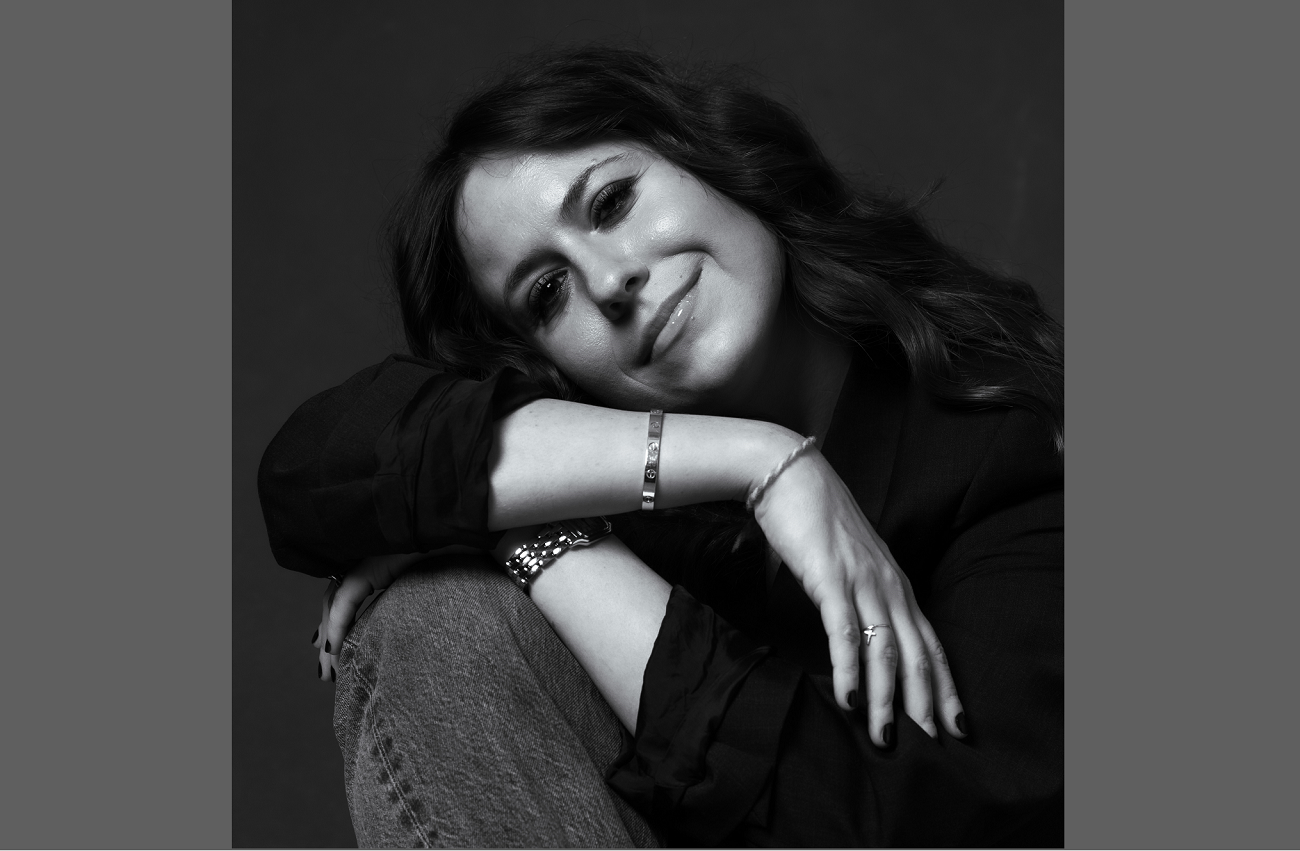
Demetra Arapu
How has the fair changed since the first edition until now?
Demetra Arapu: In details, MoBU is constantly changing. I am always attentive to the educational dimension of the fair. I also noticed that when you bring together interesting people from different worlds, there is an opportunity to transform the whole experience into something closer to a festival atmosphere, and I think that’s a plus. A fair needs to facilitate meaningful encounters between all parties involved, and this can only happen if we get the needs and dynamics of the moment right.
What are the biggest challenges in building an international art event in Romania?
Demetra Arapu: Today, in a context marked by political instability and economic difficulties, it becomes difficult to strike a balance between international ambition and the real resources available. Then, I cannot ignore the fact that the accelerated development of artificial intelligence and digital technologies is changing the way the public consumes art, although I am convinced that art fairs will remain important spaces for socializing and authentic artistic experience, hard to replace by the digital medium.
What are the highlights of this edition?
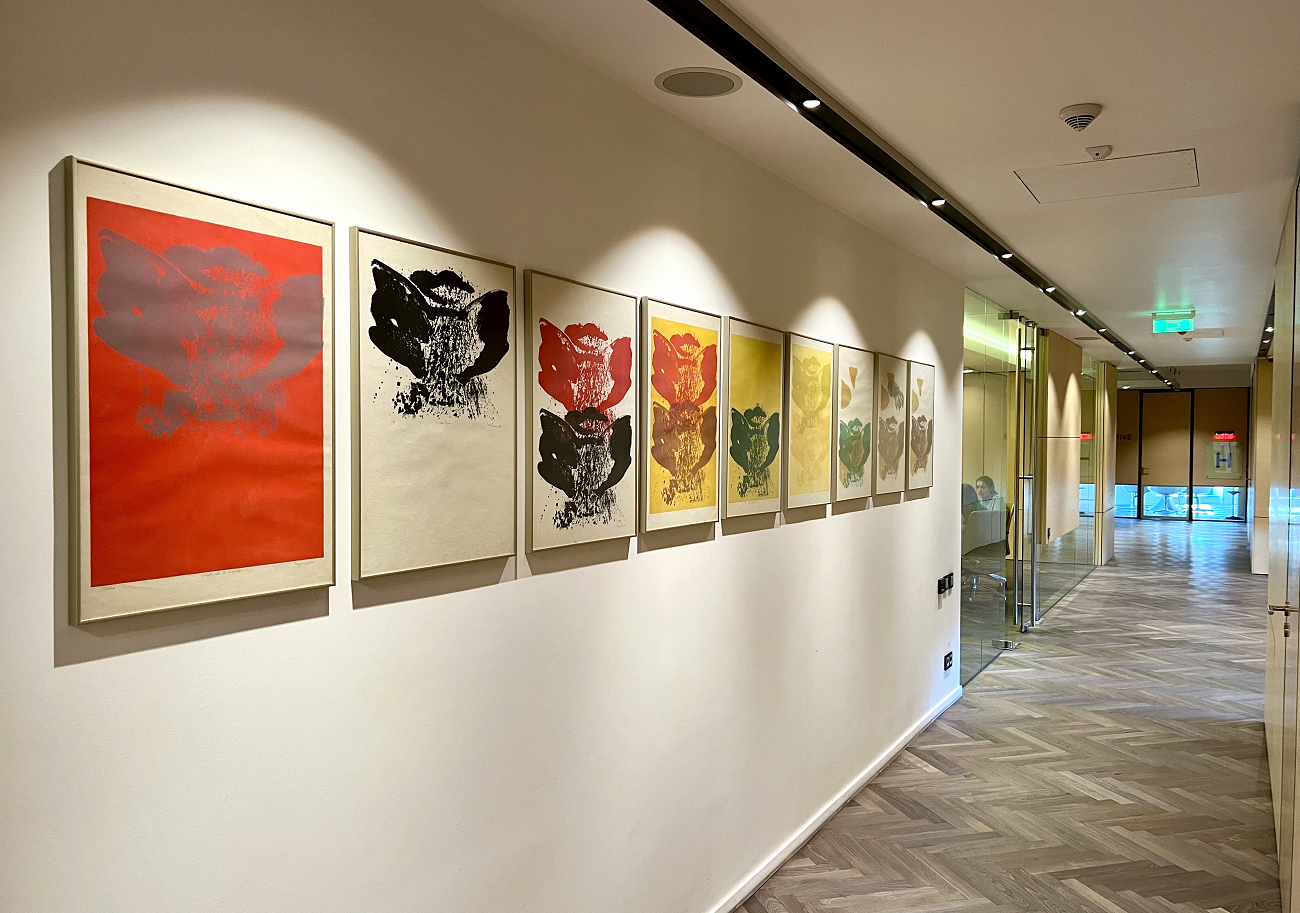
Demetra Arapu: With our audience’s interests in mind and without revealing too much, this year we have built a curatorial project centered on the work of Sandu Darie. The exhibition is one of the rare occasions when the artist’s creation is presented in Romania.
In addition, there will be a space dedicated to Romanian street art, with a selection of artists who propose a perspective on this phenomenon as a living and constantly changing territory.
Of course, new exhibitors are also worth discovering, as well as international galleries from Serbia, Lithuania, Germany and Lebanon.
What is still missing from the local arts ecosystem?
Demetra Arapu: The development of a strong arts scene cannot depend solely on individual initiatives or one-off funding. I think we need better and more stable long-term cooperation between cultural institutions and public authorities. Reality shows that great cultural centers work best when institutions, collectors, galleries and local governments understand the importance of a common strategy. This is self-evident.
In what way do you feel that the public in Bucharest has changed in relation to contemporary art?
Demetra Arapu: I see how the Bucharest public is gradually becoming more receptive to contemporary art. Visiting exhibitions, art fairs or artists’ workshops is becoming a natural part of the city’s cultural life. Cultural mediation, this discreet work, helps to create a more informed and involved public.
Do you feel there is a real interest in collecting in Romania? What are the current trends?
Demetra Arapu: Collecting has underpinned the development of the art world for centuries, and in Romania a new generation of collectors is emerging, more open to contemporary art and emerging artists. I see a desire to build a personal relationship with art and discover new artists. There is a lot of research and discipline behind a coherent collection, but the collecting experience should remain both enjoyable and stimulating.
How important is the role of such a fair in supporting emerging artists?
Demetra Arapu: In just a few days, MoBU manages to attract thousands of visitors and bring together museographers, curators, collectors, auction houses and artists. In this way, such platforms directly connect artists with both professional and general audiences, thus raising the visibility of independent art. MoBU’s strategy from the outset has been to show that the art world is much wider and more diverse than what is usually visible in the mainstream.
How can an international fair influence a city’s cultural infrastructure?
Demetra Arapu: The art fair situation is constantly fluctuating. With this in mind, I believe that at MoBU we have managed to implement a system that allows us to grow from year to year, building on long-term sustainable principles. I believe it is important to exist as a stable and predictable event. A significant part of a gallery’s sales take place at such events, but art fairs are more than transactional. They also include curated sectors, performances, concerts and debates that feed the development of the cultural identity of a city and a country.
What will the art market look like in 2026 compared to a few years ago?
Demetra Arapu: I think that the emergence of contemporary art fairs in Bucharest, along with the other existing cultural events before 2023, has come to the benefit of market harmonization. This can only be a good thing.
What are collectors looking for today?
Demetra Arapu: At MoBU I meet a distinct category of collectors who come looking for a work created by a reputed artist, a work that resonates with them and that they will keep for a long time. This is often how the passion for art collecting begins. But I’m also happy to see a growing interest in emerging art, as it very much reflects the Zeitgeist and is often more affordable.
What would you like a visitor to say after leaving the fair?
Demetra Arapu: I would like people to feel that they have discovered new things that they may not even have known they were looking for, that their horizons have broadened and that they leave culturally and emotionally richer.
Where do you see MoBU in five years’ time?
Demetra Arapu: A fair is successful, beyond the numbers, if it succeeds in facilitating relationships between all those involved, relationships that can be conjugated into opportunities after the event is over. My focus is on expanding the international presence at MoBU without losing the local specificity. I am taking things one step at a time.
Photos courtesy of MoBU